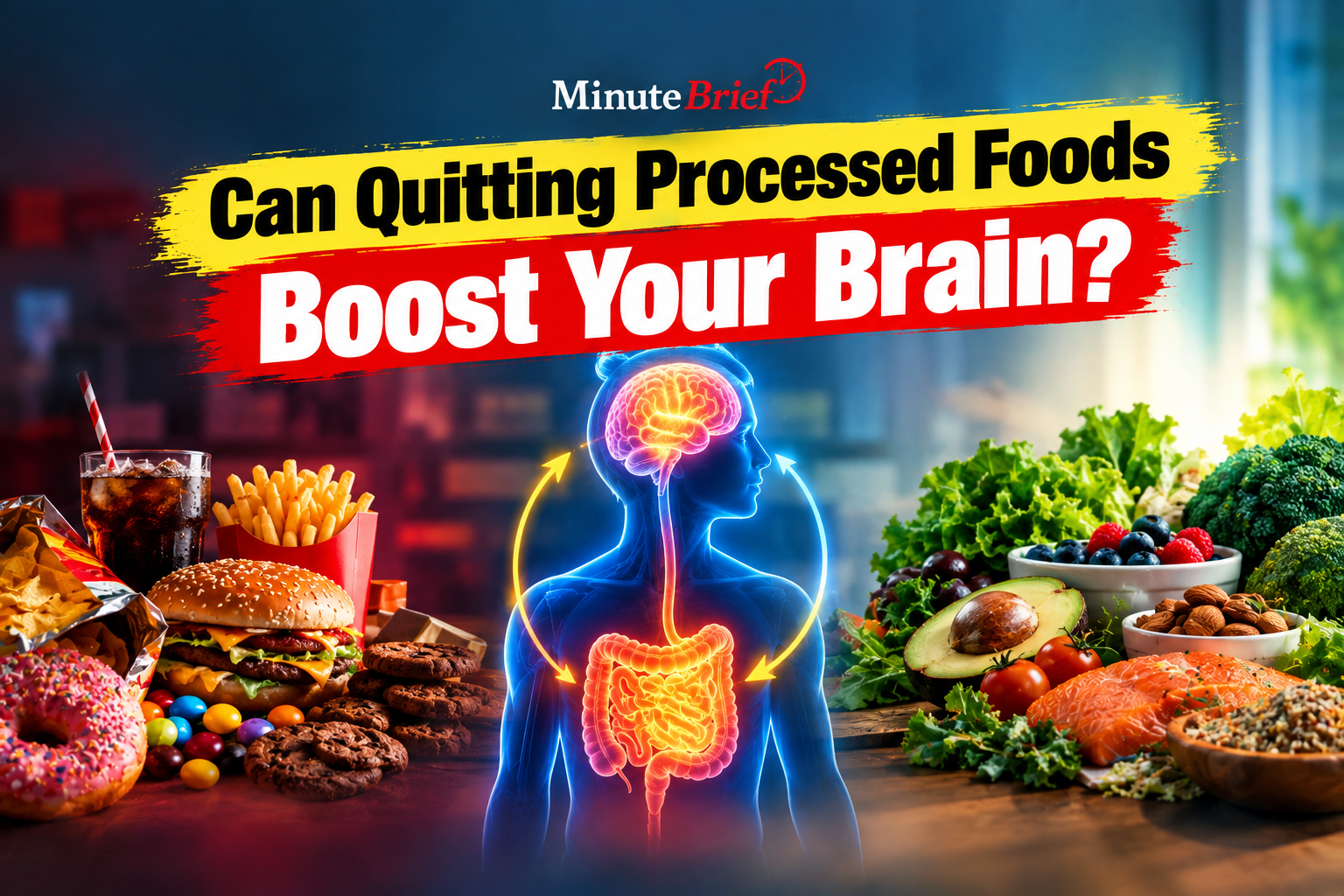
A new pilot study from the University of California, San Francisco (UCSF) offers fresh evidence that changing your diet might significantly ease symptoms of depression. Published in JAMA Psychiatry, the study suggests that cutting out ultra-processed foods could positively impact mental health through the gut-brain connection.
What Did the Study Find?
In this small, preliminary trial, participants reduced their intake of ultra-processed foods by more than 85%. After making the switch to healthier, whole foods:
- Depression symptoms dropped: Participants showed moderate to large improvements across three standard measures of depression.
- Anxiety decreased: Participants with co-occurring anxiety also experienced modest improvements in their symptoms.
The Role of Ultra-Processed Foods
Ultra-processed foods—such as packaged snacks, fast food, sodas, and industrial meals—are typically packed with additives, artificial flavorings, preservatives, and emulsifiers.
Because they are engineered with precise balances of sugar, salt, and fat, these foods trigger dopamine releases that drive cravings, making them particularly difficult to quit despite being cheap and convenient.
How the Gut Influences the Brain
Researchers hypothesize that ultra-processed foods can harm the protective lining of the digestive tract, leading to a "leaky, out-of-balance gut."
- Gut Damage: Industrial additives and low-nutrient ingredients compromise gut barrier function.
- Chronic Inflammation: Bacteria and compounds escape through the weakened gut lining, sparking low-grade, body-wide inflammation.
- Brain Impact: This systemic inflammation can alter brain function, potentially triggering or worsening depressive symptoms.
What’s Next?
While the initial trial involved only 20 participants, senior author Dr. Andrew Krystal noted that it successfully proved the feasibility of diet-intervention research for mental health. The UCSF team plans to launch a larger, phase-two trial starting in 2028 to confirm these findings across a broader population.