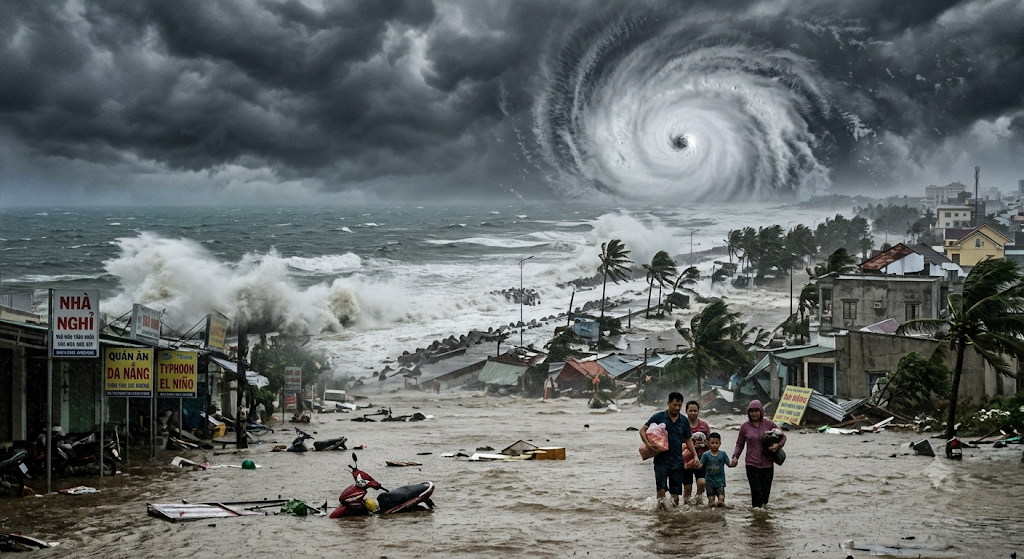
In Brief
- Driven by a strengthening El Niño, abnormally warm Pacific waters are fueling super-typhoons with higher wind speeds and heavier rainfall.
- Severe weather systems have triggered widespread flight cancellations, power outages, and infrastructural damage across the Philippines, Hong Kong, Taiwan, and southern Japan.
- Governments across the region are upgrading early warning protocols and stepping up coastal defenses to mitigate escalating risks.
- Climatologists project the strong El Niño phenomenon to persist through early 2027, heightening climate risk forecasts across the Western Pacific.
Meteorological agencies across East Asia have issued heightened alerts as an intensifying El Niño phenomenon continues to alter tropical weather patterns, generating stronger and more erratic typhoons throughout the region.
Unprecedented Thermal Energy Fueling Superstorms
Scientists from the World Meteorological Organization (WMO) and national weather services report that sea surface temperatures across the tropical Pacific have risen to historic highs. This excess ocean heat acts as high-octane fuel for developing weather systems, causing storms to rapidly intensify into severe super-typhoons with wind speeds exceeding Category 5 thresholds.
In recent weeks, powerful typhoon systems fueled by El Niño conditions have swept across East Asia:
- The Philippines: Coastal archipelagos have faced battering waves, localized landslips, and severe agricultural damage, with disaster management authorities warning of additional tropical cyclones before the year ends.
- Taiwan & Hong Kong: Major transport networks were paralyzed and hundreds of flights were grounded as massive, wide-reaching storm systems brought torrential rains and hurricane-force gusts.
- Japan: Southern island chains, including Okinawa, experienced widespread power grid failures and localized evacuations due to severe peripheral storm surges.
Government Preparedness and Long-Term Projections
In response to tragic losses and escalating infrastructure costs, governments in Manila, Beijing, Taipei, and Tokyo are bolstering emergency response frameworks. Measures include upgrading real-time satellite tracking, enforcing proactive evacuations in high-risk coastal corridors, and deploying emergency relief assets.
With climate models indicating near-certainty that the active El Niño cycle will persist into early 2027, regional civil defense agencies are preparing for an extended period of heightened storm activity and severe weather volatility.