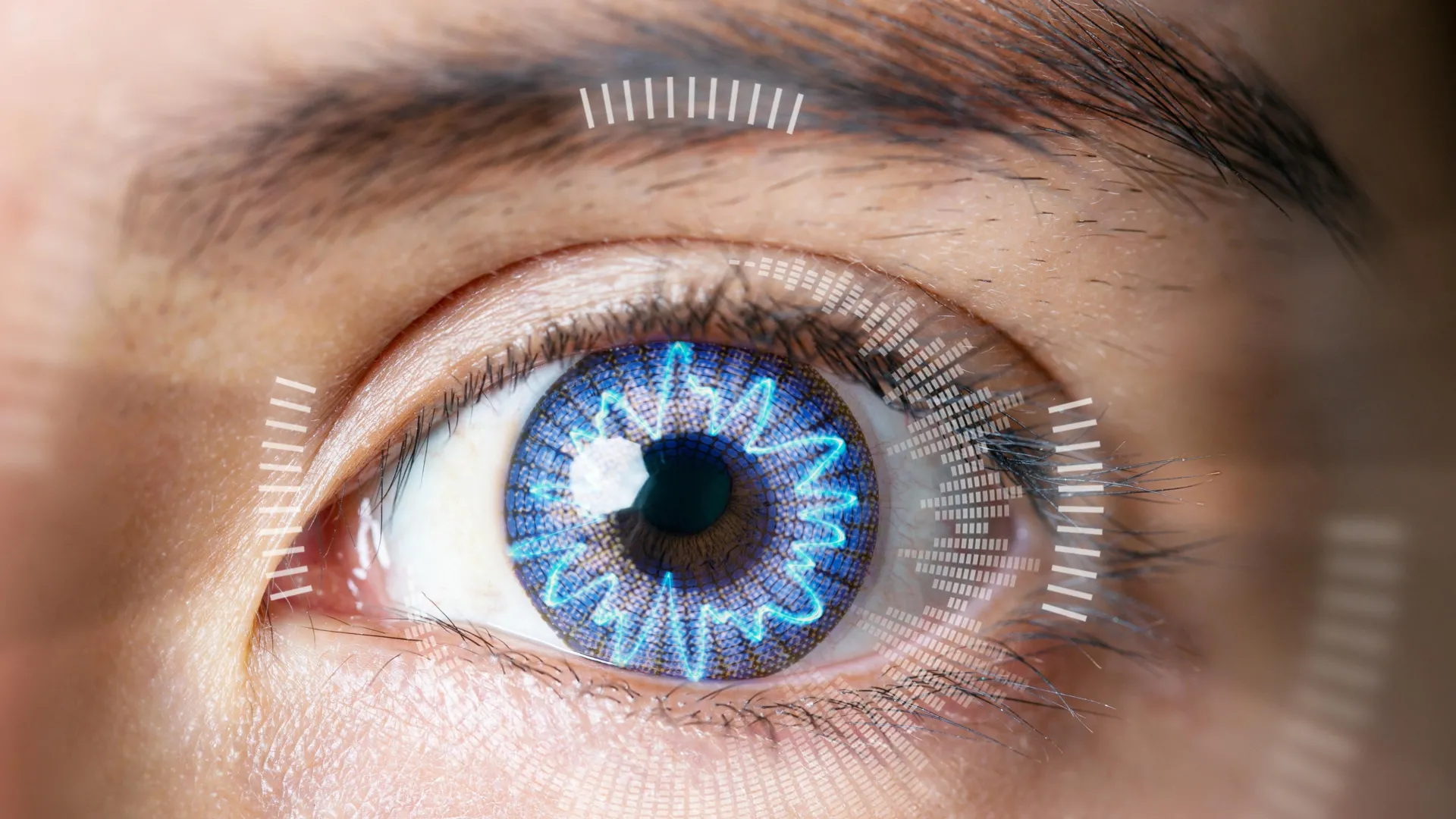
For millions of people who rely on glasses or contacts, permanent vision correction usually means LASIK. However, while effective, LASIK works by using a laser to physically cut away and permanently carve tissue from the eye's cornea.
Now, researchers are testing a laser-free, incision-free technique called electromechanical reshaping (EMR). By using a gentle electric current and a specialized platinum lens, scientists can temporarily soften the cornea and mold it into the correct shape in about 60 seconds.
How It Works: Changing Eye Chemistry with Light Electricity
The cornea—the clear, dome-shaped surface at the front of the eye—bends incoming light so it focuses accurately onto the retina. When the curvature of the cornea is off, vision becomes blurry, resulting in conditions like nearsightedness (myopia).
Instead of slicing away corneal tissue to fix its shape, the EMR technique works by temporarily altering the cornea's molecular structure:
- Collagen Flexibility: The cornea is rich in collagen, a structural protein held together by tiny electrical charges.
- Controlled pH Shifts: The researchers place a platinum "contact lens" over the eye. When a small electric potential is applied through the lens, it temporarily shifts the pH level of the tissue, making it slightly more acidic.
- Molding the Cornea: This momentary change in pH weakens the bonds holding the collagen rigid, allowing the cornea to safely mold itself to the exact shape of the platinum lens.
- Permanent Shape Lock: Once the electric current stops and the tissue returns to its natural pH, the collagen bonds firm back up, locking the cornea into its new, correctly focused shape.
Early Test Results Show Promise
In preliminary tests led by researchers at Occidental College and the University of California, Irvine, EMR was tested on 12 rabbit eyeballs, including 10 treated for simulated nearsightedness:
- 100% Success Rate in Tests: All 10 myopic test eyes were successfully reshaped to achieve the targeted focusing power.
- Cell Survival: The chemical shift was controlled precisely enough to reshape the tissue without destroying the living cells inside the eye.
- Potential for Clouded Corneas: Separate tests suggested EMR might also reverse certain chemical clouding in corneas—a condition that currently requires a full corneal transplant.
Advantages Over Traditional LASIK
If proven safe in human clinical trials, electromechanical reshaping could offer major benefits over current surgical options:
- No Incisions or Tissue Loss: Unlike LASIK, no corneal tissue is permanently carved or burnt away.
- Cheaper & More Portable: The procedure relies on basic electrical components and custom lenses rather than complex, million-dollar surgical laser systems.
- Potentially Reversible: Because tissue isn't removed, researchers suggest the procedure could potentially be undone or adjusted in the future.
What’s Next?
While the findings are promising, the researchers emphasize that EMR is still in its early stages. The team plans to move from isolated tissue testing to detailed studies in living animals before human trials can be considered. If successful, this simple electrical treatment could one day make vision correction safer, cheaper, and far less invasive for patients worldwide.