In Brief
- Scientists' 100-year discoveries changed reptile and amphibian biodiversity hotspots.
- Bird and mammal distributions remain largely unchanged; hotspots in Australia and Southeast Asia.
- Precipitation is becoming a more important factor for species richness.
- Biodiversity maps now show emerging hotspots in unexpected regions.
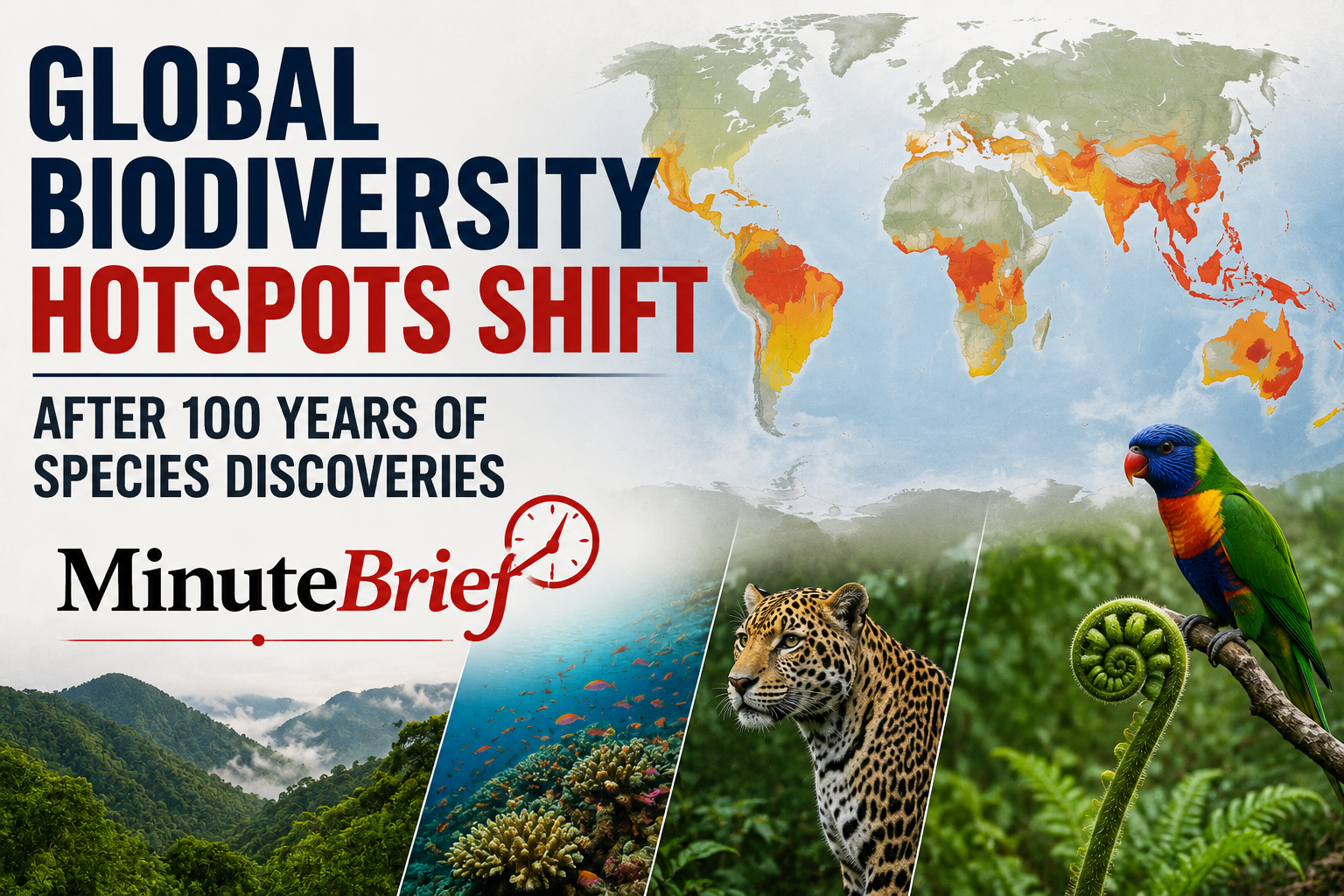
A comprehensive study spanning 100 years of taxonomic research has reshaped the understanding of Earth's biodiversity hotspots. The research highlights significant changes in the distribution of reptiles and amphibians, while bird and mammal species distributions have remained mostly stable.
Australia and Southeast Asia were identified as prominent biodiversity hotspots for the studied groups. These regions show increasing species richness, influenced by new discoveries over the last century. The study also points to a shift in the environmental factors affecting species diversity, with precipitation emerging as a key element.
This evolving understanding challenges previous biodiversity maps and reveals emerging hotspots in locations once considered unexpected. The findings underscore the dynamic nature of biodiversity and the importance of continuous scientific exploration in accurately mapping global ecosystems.