In Brief
- Houthi missile attacks have struck Riyadh's financial district.
- The Iran war continues to affect global energy supply and security.
- The escalation marks a strategic intensification in regional conflict.
- Saudi Arabia remains a key front in the Iran-linked tensions.
Houthis escalate attacks on Saudi capital
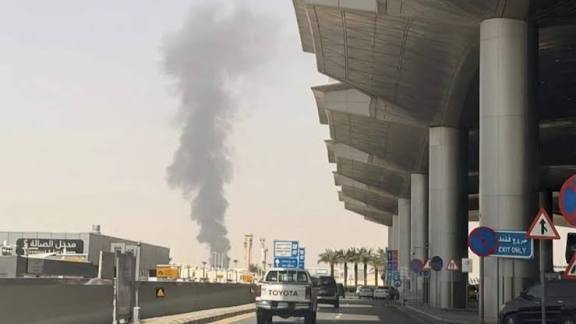
On 19 November 2026, the Iran-backed Houthi militia launched missile attacks targeting the financial centre of Riyadh, Saudi Arabia's capital. The strikes represent an intensification of hostilities linked to the ongoing Iran war, which has been shaping regional dynamics and global energy markets.
The missile fire struck key economic hubs within Riyadh, raising concerns over the security of critical infrastructure in the kingdom. Saudi officials confirmed the attacks but provided limited details on casualties or damage as investigations continue.
This escalation underscores the Houthis' growing operational capabilities and their strategic aim to pressure Saudi Arabia amid broader regional rivalry associated with Iran's influence. Analysts note that such attacks increase volatility in the Arabian Peninsula and have ripple effects on global energy stability due to Saudi Arabia's role as a major oil producer.
Past months have seen intermittent Houthi aggression, but this round marks a significant intensification by directly targeting Riyadh's core financial sector. The conflict remains deeply intertwined with the proxy struggle between Iran and Saudi Arabia, influencing diplomatic and economic landscapes across the Middle East.