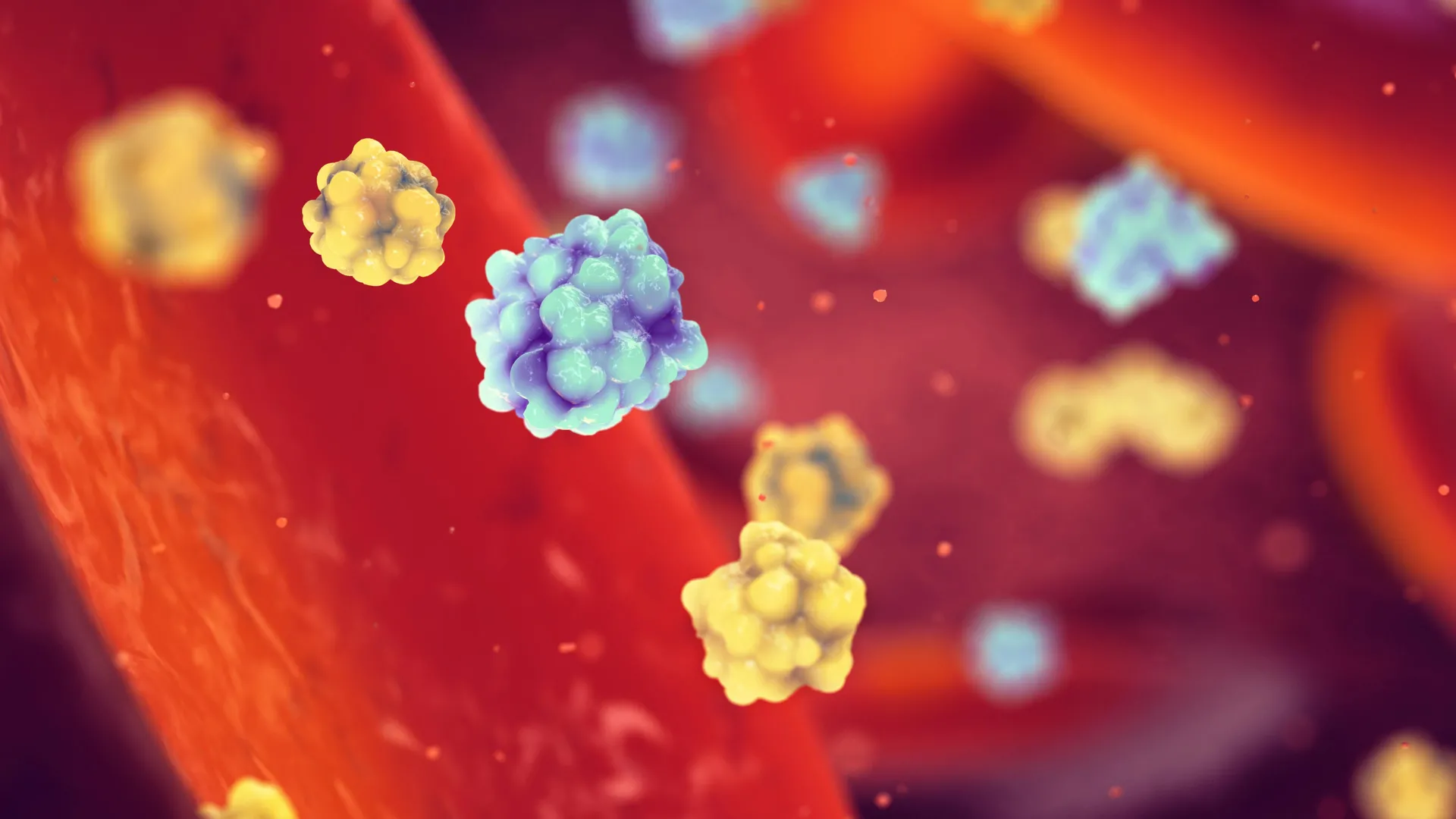
Researchers have identified that insulin-producing cells in the pancreas depend on a group of helper proteins to ensure correct insulin formation. When one critical helper protein is absent, misfolded or damaged insulin proteins accumulate within the cells. This buildup leads to reduced insulin production, a key issue in diabetes.
The study indicates that the malfunction in this protein-folding system may silently contribute to the worsening of diabetes by impairing the pancreas's ability to produce insulin effectively. By enhancing the function of these helper proteins, it may be possible to support pancreatic health and slow the progression of diabetes.
These findings open potential pathways for developing new treatments aimed at strengthening the cellular mechanisms responsible for protein folding in insulin-producing cells. Such therapies could offer benefits in managing diabetes by preserving insulin production capacity.