In Brief
- Pacific sea-surface temperature anomalies are projected to reach 3.7°C above normal between October and December 2026, surpassing the previous record of 2.6°C set in 2015–2016.
- Meteorologist Ryan Maue shared a global climate map showing Earth "almost entirely in red," illustrating widespread above-average surface warming amplified by ocean heat release.
- WMO forecasts indicate a near-100% probability that the event will peak around December 2026 and continue to alter rainfall, temperature, and extreme weather patterns globally into early 2027.
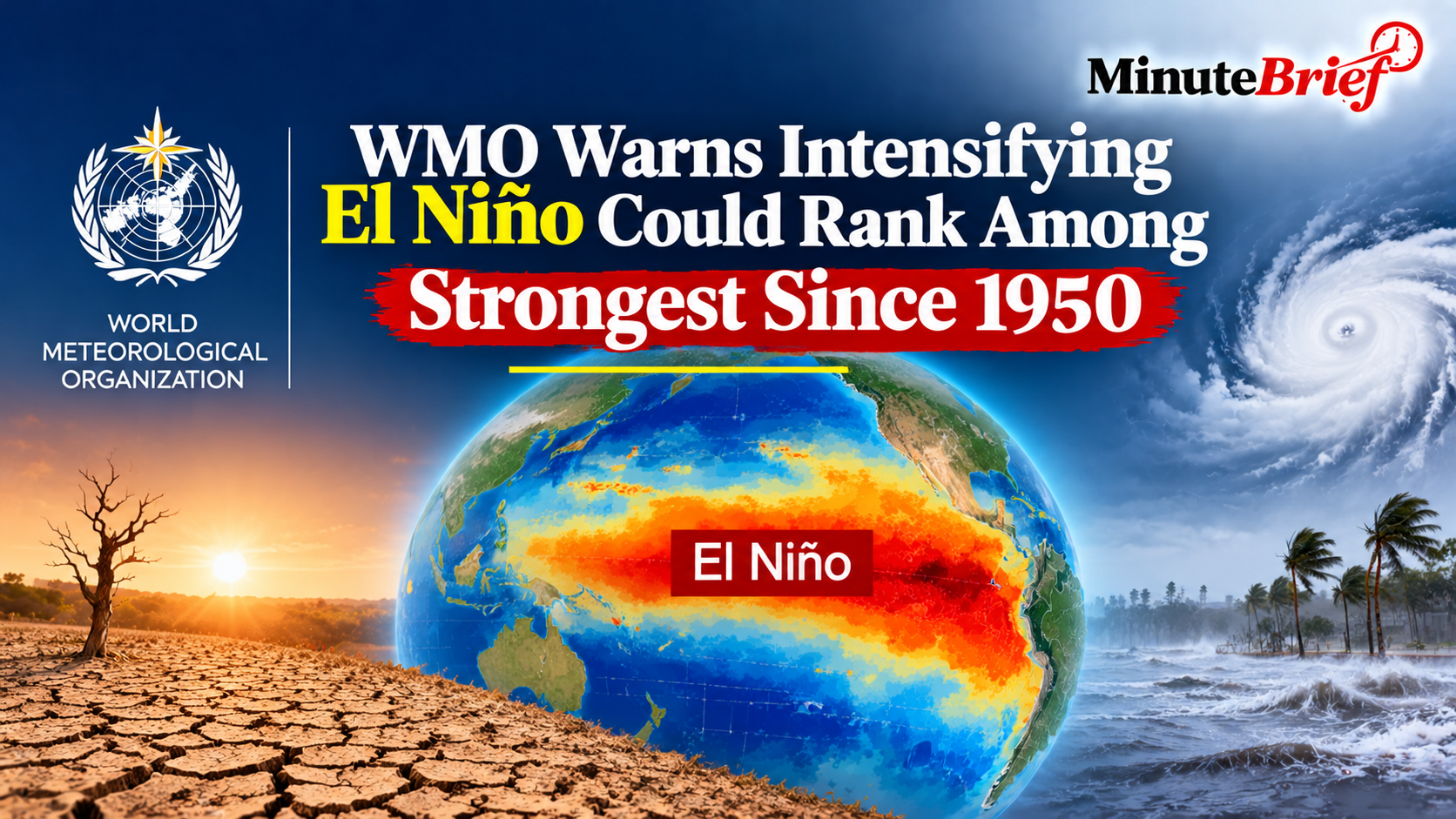
The World Meteorological Organization (WMO) announced on Thursday, October 8, 2026, that the ongoing El Niño phenomenon is accelerating rapidly and could rank among the strongest global ocean-warming events observed since records began in 1950.
According to the WMO’s latest Global Seasonal Climate Update, sea-surface temperature anomalies in the central and eastern tropical Pacific are forecast to reach approximately 3.7°C above average between October and December 2026. This projection significantly exceeds the previous record anomaly of 2.6°C recorded during the 2015–2016 El Niño event.
Highlighting the severity of the trend, meteorologist Ryan Maue published climate visualization maps showing heat anomalies spreading across most of the globe, leaving the map "almost entirely in red." WMO Secretary-General Celeste Saulo explained that the phenomenon is drawing from the warmest ocean waters ever recorded, releasing vast amounts of stored sub-surface heat into the atmosphere.
Climatologists warn that the intensifying El Niño will elevate global surface temperatures, exacerbate climate-change impacts, and disrupt typical precipitation patterns—increasing the risk of severe droughts in some regions and heavy flooding in others.
The WMO expects the event to peak around December 2026, with a near-100 percent likelihood of persisting through February 2027. International weather agencies and regional climate centers will continue monitoring sea-surface metrics to issue updated seasonal advisories for agriculture and disaster management.