In Brief
- Tiwari cited the Sanskrit Adbhuta Ramayana and the 15th-century Odia Bilanka Ramayana as key references for Sita’s warrior portrayal.
- The director noted that in these texts, Sita assumes the fierce form of Mahakali to slay the thousand-headed demon king Sahasra Ravana when Lord Rama is incapacitated.
- Tiwari emphasized that a "warrior Sita" is rooted in India's diverse epic traditions rather than modern feminist reimagining.
- While actor Mukesh Khanna criticized the departure from Valmiki’s text, veteran actress Dipika Chikhlia acknowledged India’s 300-plus Ramayana traditions, and co-star Lara Dutta defended royal combat training.
Drawing From Diverse Ramayana Traditions
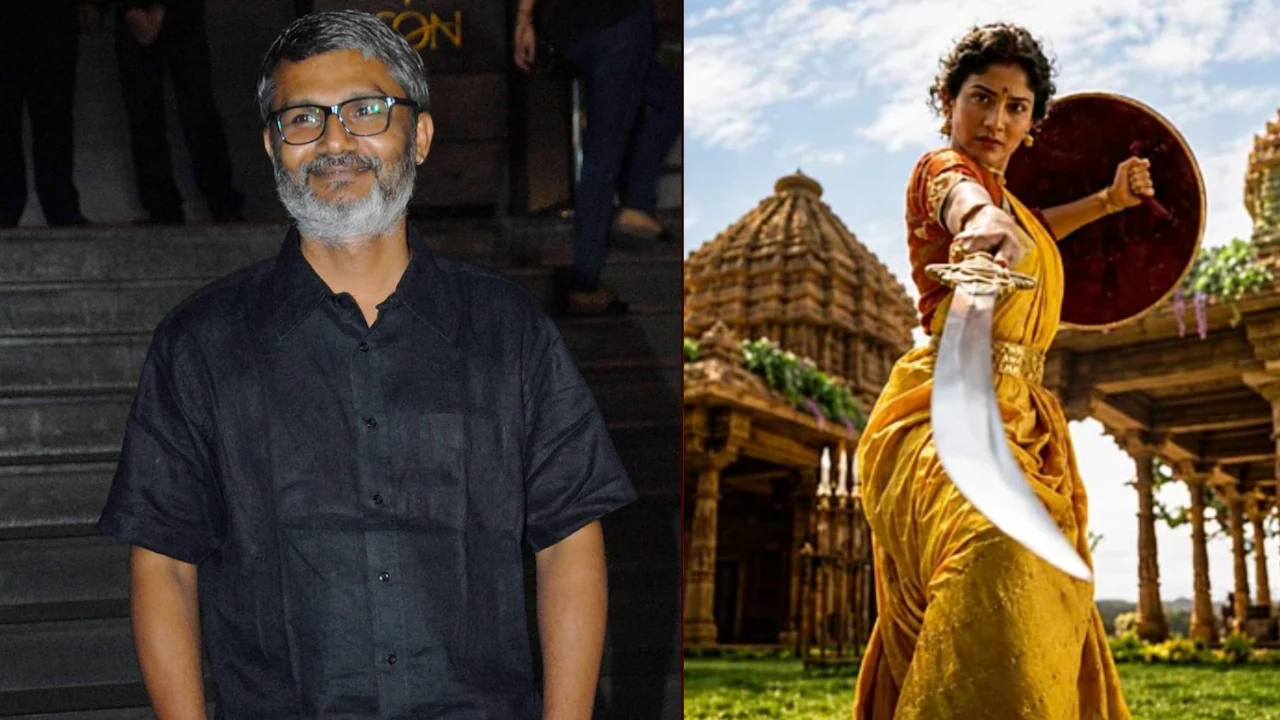
Since Ramayana: Part 1—starring Ranbir Kapoor as Lord Rama, Sai Pallavi as Sita, and Yash as Ravana—hit theaters earlier this month, it has surged past ₹1,228 crore at the worldwide box office. Alongside widespread praise for Pallavi’s performance, scenes showing Sita wielding a sword sparked heated online criticism over scriptural authenticity.
Addressing the controversy, director Nitesh Tiwari clarified that his creative approach is firmly anchored in lesser-known regional and classical versions of the epic. "These tellings offer a rather different image of Sita: not merely a figure of endurance but an active warrior and an embodiment of cosmic Shakti," Tiwari told The Federal, adding that such depictions have clear precedents across India's varied epic literature.
Contrasting Views From Industry Veterans
The portrayal has divided prominent voices in the film industry:
- Mukesh Khanna: Criticized the makers for deviating from Valmiki’s Ramayana, arguing that Sita was never depicted as a sword-fighting warrior.
- Dipika Chikhlia: Best known for playing Sita in Ramanand Sagar’s 1987 TV series, Chikhlia noted that while she did not recall combat scenes in Valmiki or Tulsidas’ versions, India has over 300 distinct Ramayana traditions that the makers could have drawn from.
- Lara Dutta: Defended the sequences, pointing out that royal princesses historically received martial training and should not be viewed as helpless.
Next Steps
Ramayana: Part 1 continues its theatrical run globally, while the second installment of Tiwari's two-part epic is slated for release on Diwali 2028.