In Brief
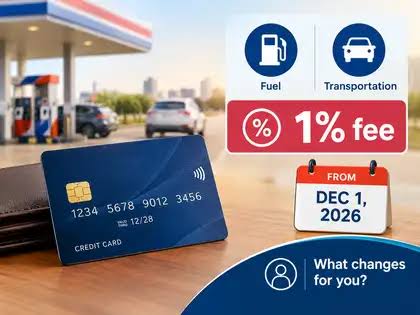
- SBI Card announced a revised fee structure set to take effect on December 1, 2026.
- A 1% fee will apply to individual transport transactions (under MCCs 4111, 4784, and 4131) that exceed ₹30,000.
- A 1% fee will be charged on the entire fuel spend if cumulative monthly fuel purchases in a billing cycle exceed ₹50,000.
- Cardholders who exceed these specific spending thresholds will see additional charges added to their statements.
SBI Credit Cardholders Face New 1% Fee on Fuel and Transport Spends Starting December
SBI Card has announced major updates to its fee structure, issuing a notice on October 27, 2026, that introduces new charges for high-value transactions. Beginning December 1, 2026, cardholders will incur a 1% fee on specific transportation and fuel spends once designated limits are crossed.
Transport and Fuel Threshold Rules
Under the revised guidelines, the impact varies depending on whether the expense falls under transportation or fuel:
- Transportation Transactions: A 1% fee applies to every individual transport transaction (identified under merchant category codes 4111, 4784, and 4131) that exceeds ₹30,000. For instance, a transaction of ₹35,000 will attract an additional fee of ₹350.
- Fuel Spends: If a cardholder’s cumulative fuel purchases exceed ₹50,000 within a single billing cycle, a 1% fee will be charged on the entire fuel amount rather than just the amount surpassing the limit.
Managing Your Spends
The updated policy is expected to impact frequent travelers, fleet operators, and high-volume spenders. Cardholders are advised to review their billing statements and closely monitor their monthly transaction thresholds to avoid unexpected additional charges.