In Brief
- The Supreme Court stays the Allahabad High Court order directing the reinstatement of an IIT-Kanpur professor.
- The professor faced allegations of sexual harassment and raised claims regarding a visual disability.
- Legal arguments highlighted that the professor was allegedly denied a defense assistant during proceedings due to his impairment.
- The high-profile case underscores the complex intersection between institutional workplace accountability and disability rights.
Supreme Court Stays Reinstatement Order
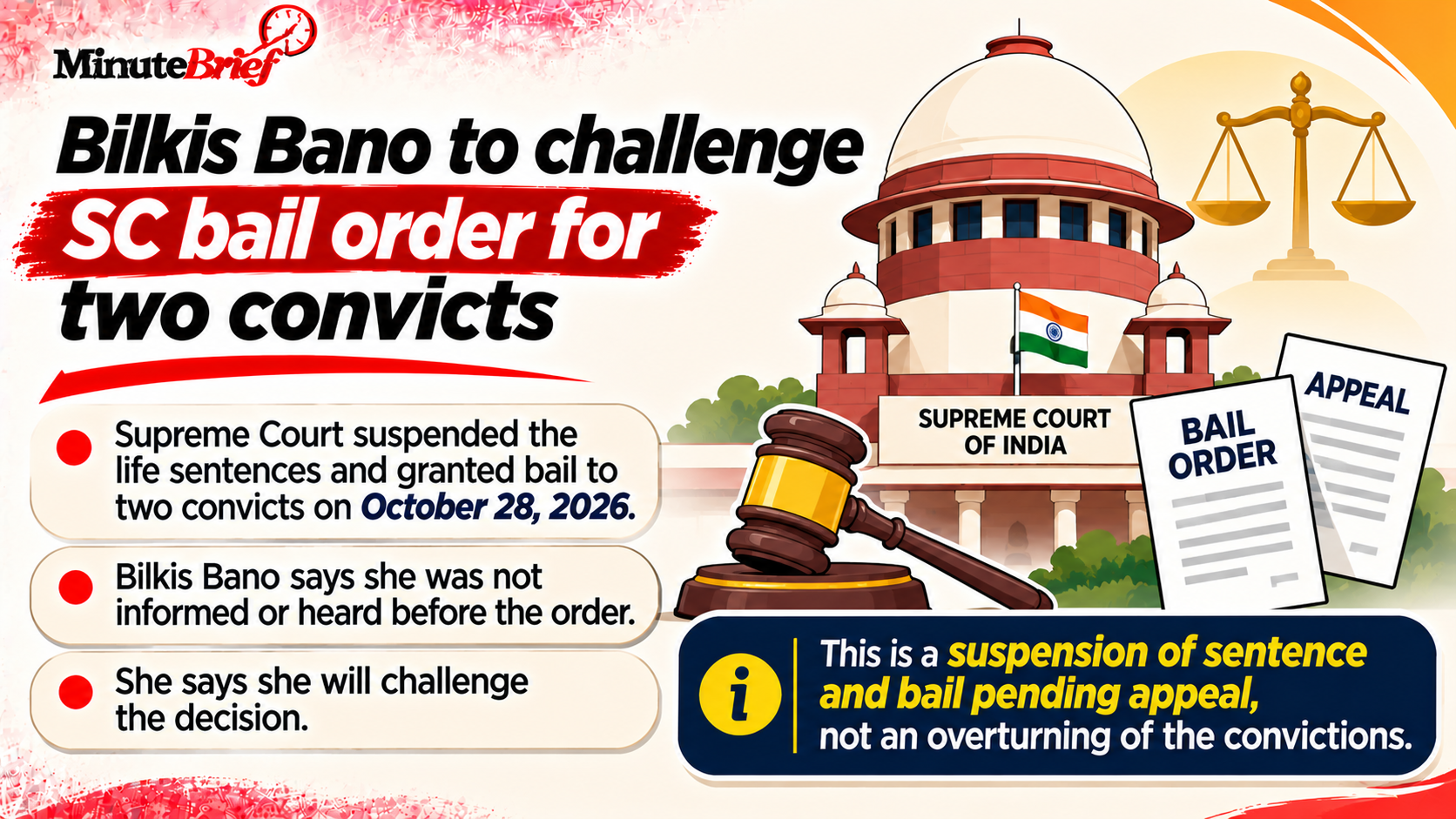
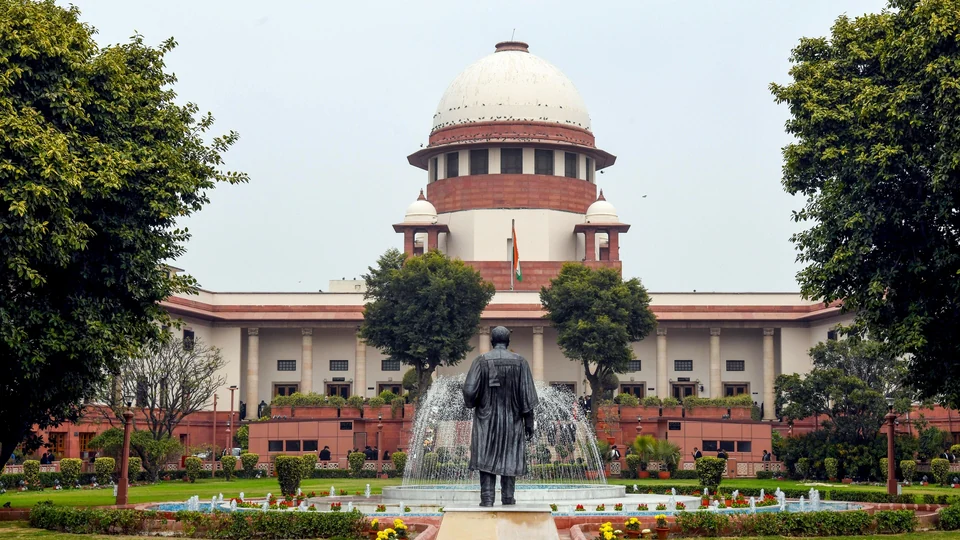
The Supreme Court of India has stayed the Allahabad High Court's order directing the reinstatement of a professor from the Indian Institute of Technology Kanpur (IIT-Kanpur) who was previously accused of sexual harassment. The decision comes after authorities challenged the high court's ruling, bringing attention to the procedural and legal complexities surrounding the case.
The professor had faced severe allegations of sexual harassment during his tenure at IIT-Kanpur, leading to formal disciplinary actions and his eventual removal from the institution. While the Allahabad High Court had earlier ordered his reinstatement after questioning certain procedural aspects, the Supreme Court's latest intervention has put that order on hold pending a comprehensive examination of the matter.
Disability Rights and Fair Trial Concerns
A central element of the legal challenge involved the professor's claim of a visual disability. During earlier proceedings, concerns were raised regarding the alleged denial of a defense assistant to help him navigate the hearings—a provision argued as crucial due to his visual impairment to ensure fair trial standards.
This case brings into sharp focus the delicate balance required by the judiciary when institutional disciplinary measures intersect with individual disability rights and statutory protections. The Supreme Court's review aims to resolve these competing legal questions and determine whether fair trial procedures were appropriately upheld.