Choosing diet alternatives is a popular way to cut sugar, but new research suggests non-nutritive sweeteners may have biological effects that linger long past their sweet taste—and even extend to future generations.
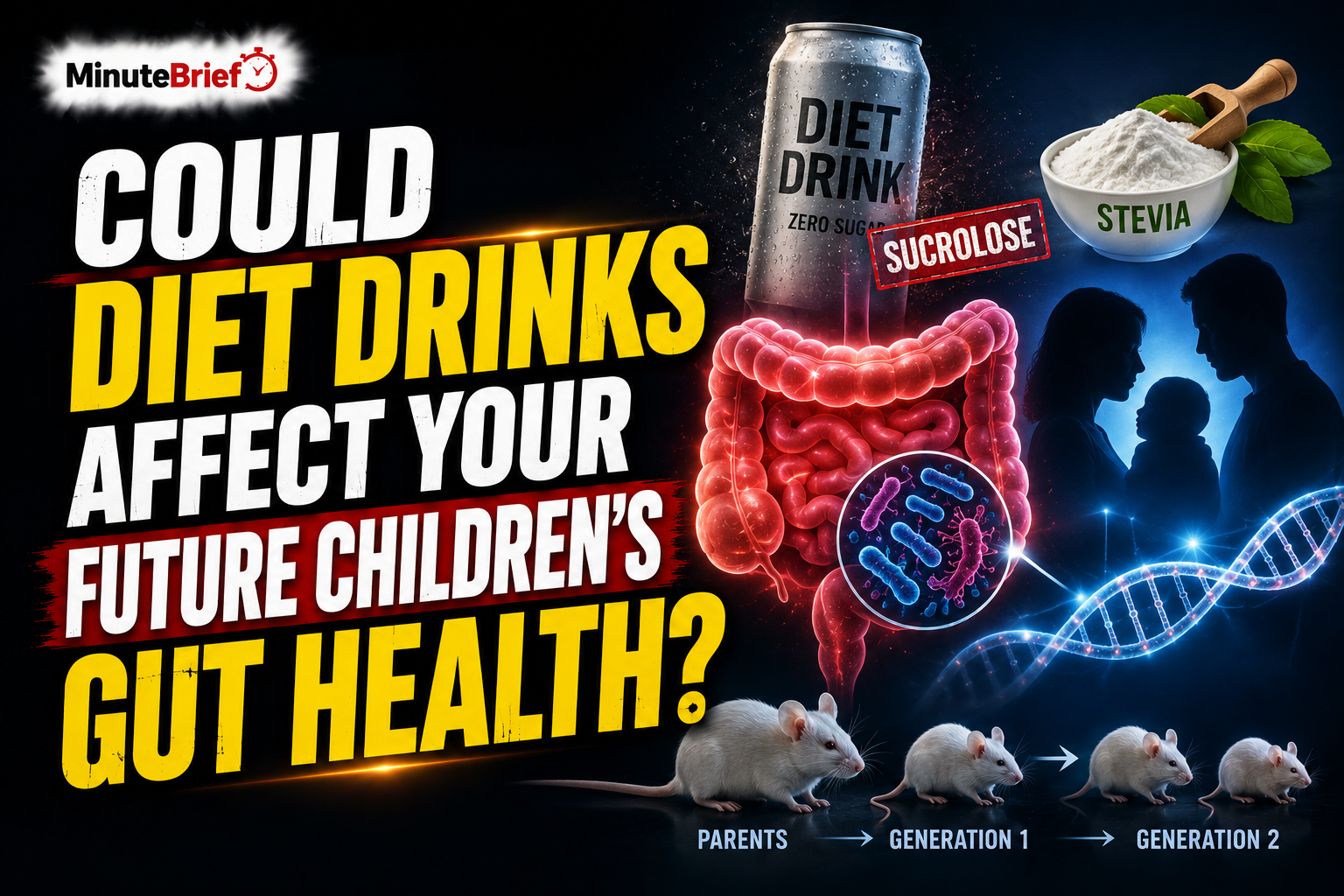
A study in Frontiers in Nutrition by researchers at the Universidad de Chile found that sucralose and stevia altered gut microbiomes, metabolic gene activity, and blood sugar regulation in mice.
Key Study Findings
Mice received human-equivalent doses of sucralose or stevia and were then bred for two subsequent generations (both fed only plain water):
- Altered Gut Health: Both sweeteners reduced beneficial short-chain fatty acids produced by gut microbes. These reductions persisted into descendants that never consumed the sweeteners.
- Elevated Fasting Blood Sugar: Sucralose led to impaired glucose tolerance in first-generation males and higher fasting blood sugar in second-generation males. Stevia descendants showed elevated fasting blood sugar in second-generation females.
- Gene Expression Shifts: Sucralose increased the activity of genes linked to inflammation and decreased those tied to metabolism. These changes remained detectable two generations later, whereas stevia's genetic impacts were milder and did not pass past the first generation.
What It Means for Consumers
Lead author Dr. Francisca Concha Celume notes that because this was a mouse study, it shows association, not direct causation, and results may differ in humans. The animals did not develop diabetes, but rather subtle metabolic shifts that could raise susceptibility to health issues under conditions like a high-fat diet. Researchers recommend moderation while scientists continue studying long-term impacts.
Source: Science Daily