In Brief
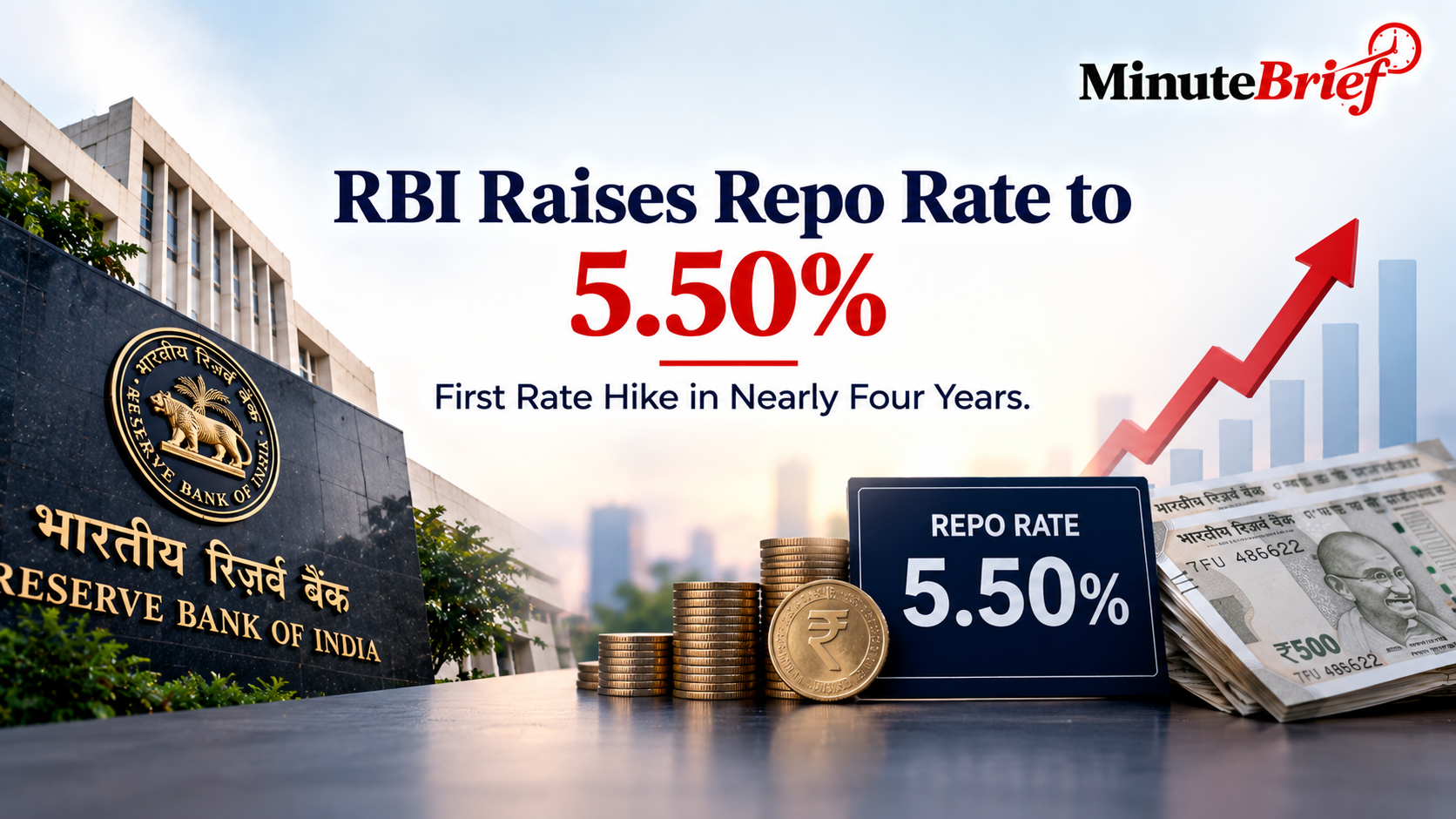
- The Reserve Bank of India's Monetary Policy Committee announced a 25 basis point hike in the benchmark repo rate, taking it from 5.25% to 5.50%.
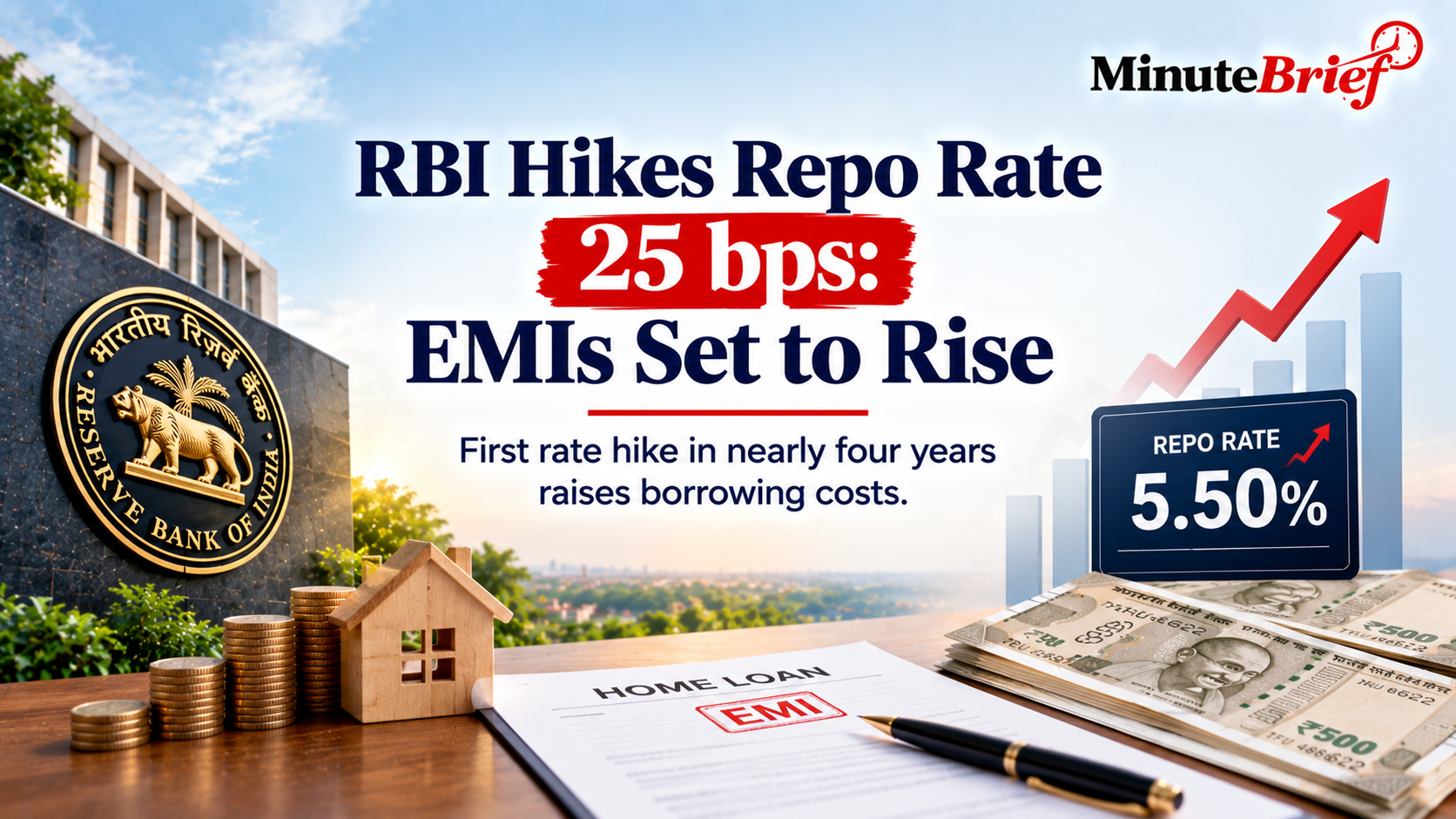
- Commercial banks and retail lenders are expected to pass on the rate increase, resulting in higher borrowing costs and increased loan tenure or higher EMIs for existing and prospective borrowers.
- The policy tightening reflects central bank efforts to manage inflationary pressures while aligning with broader monetary shifts across regional Asian central banks.
Borrowers across India face higher loan servicing costs after the Reserve Bank of India (RBI) announced a 25 basis point increase in the key policy repo rate, raising it to 5.50%. The rate hike, delivered by RBI Governor Sanjay Malhotra following the Monetary Policy Committee (MPC) meeting, directly impacts external benchmark-linked lending rates (EBLR), making retail loans—including home, vehicle, and personal credit—considerably more expensive for consumers.
The immediate transmission of the rate hike means commercial banks and housing finance institutions will recalibrate their marginal cost of funds-based lending rates (MCLR) and floating interest rates. For existing retail borrowers, banks are likely to automatically extend loan repayment tenures or increase monthly EMI amounts, while new applicants will face higher interest floors across loan categories. Financial experts advise borrowers to consider partial prepayment strategies or evaluate floating-to-fixed interest conversions to manage the increased financial burden.