In Brief
- Chemo Survival Signal: Ovarian cancer cells that survive chemotherapy release fructose to signal nearby tumor cells.
- Weakened Cell Bonds: Fructose reduces cholesterol inside neighboring cells, loosening the biological glue that keeps tumors intact.
- Diet & Statin Effects: High dietary fructose and cholesterol-lowering statins also accelerated cancer spread in preclinical experiments.
- Early-Stage Caution: Researchers emphasize the findings are preclinical and urge patients not to stop taking prescribed medications.
How Surviving Tumor Cells Trigger Metastasis
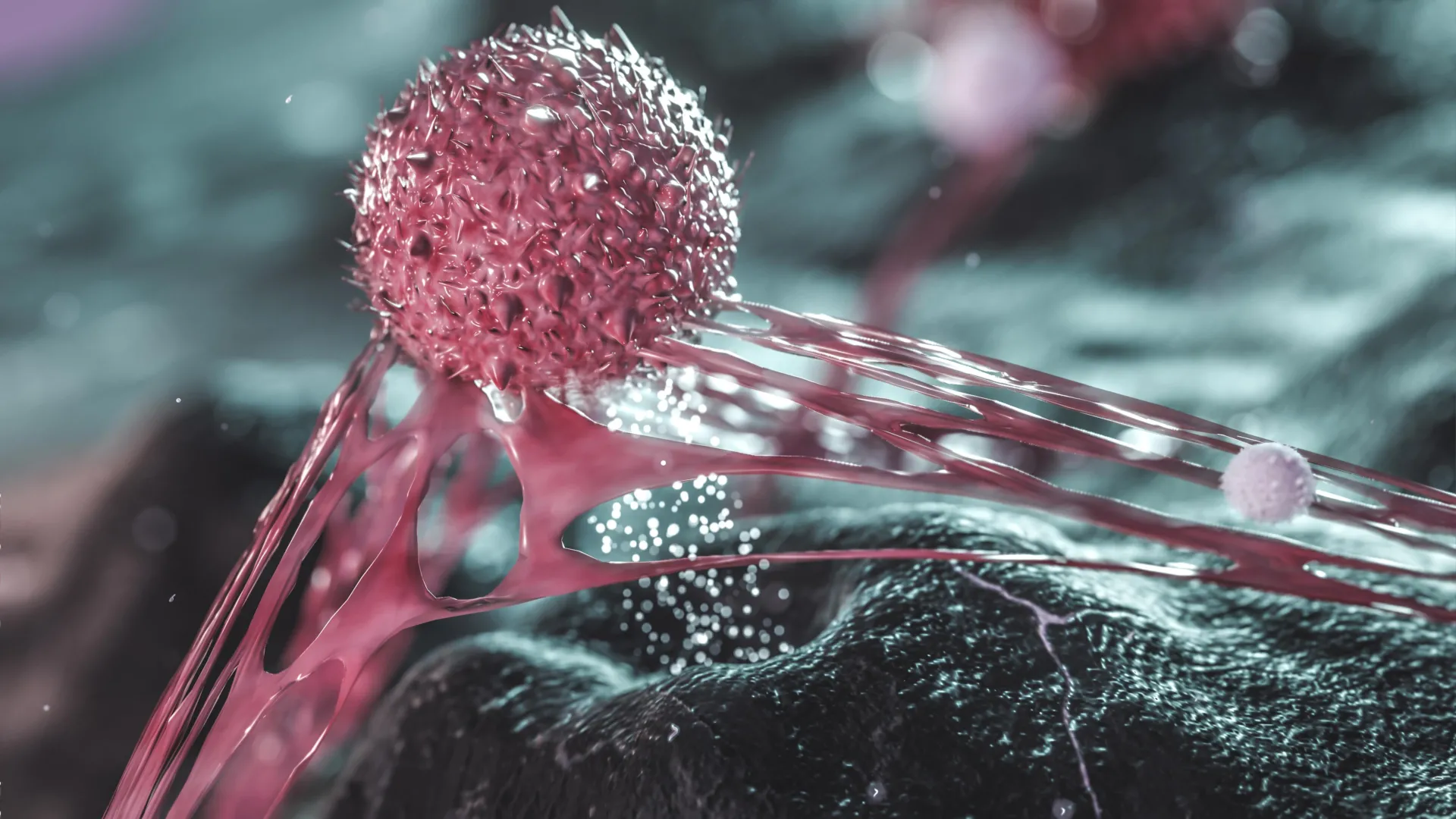
Ovarian cancer frequently recurs after platinum-based chemotherapy, with relapse accounting for roughly 90% of deaths from the disease. Investigating what happens between treatments, a research team led by senior author Katherine Aird, PhD, and postdoctoral fellow Aidan Cole, PhD, at The Wistar Institute found that non-dividing ("senescent") cancer cells surviving chemotherapy remain biologically active and secrete fructose into their surroundings.
When neighboring tumor cells absorb this fructose, it alters their metabolism and reduces internal cholesterol production. Because cholesterol acts as a structural glue binding cell clusters together, lowering cholesterol allows cancer cells to break loose and metastasize more easily.
Implications for Diet and Cholesterol Medications
In animal experiments, researchers observed that a high-fructose diet—mimicking intake from sweetened foods and beverages—increased ovarian cancer spread even without chemotherapy. Furthermore, because cholesterol-lowering statins operate on the same metabolic pathway, scientists noted potential clinical questions for postmenopausal ovarian cancer patients who are commonly prescribed statins alongside chemotherapy.
Next Steps
The authors stressed that all findings so far are limited to laboratory and animal models and have not yet been confirmed in human clinical trials. They advised patients currently taking statins or undergoing chemotherapy not to alter their treatment regimens, while follow-up studies explore whether this fructose-driven mechanism occurs in pancreatic, colon, and liver cancers.