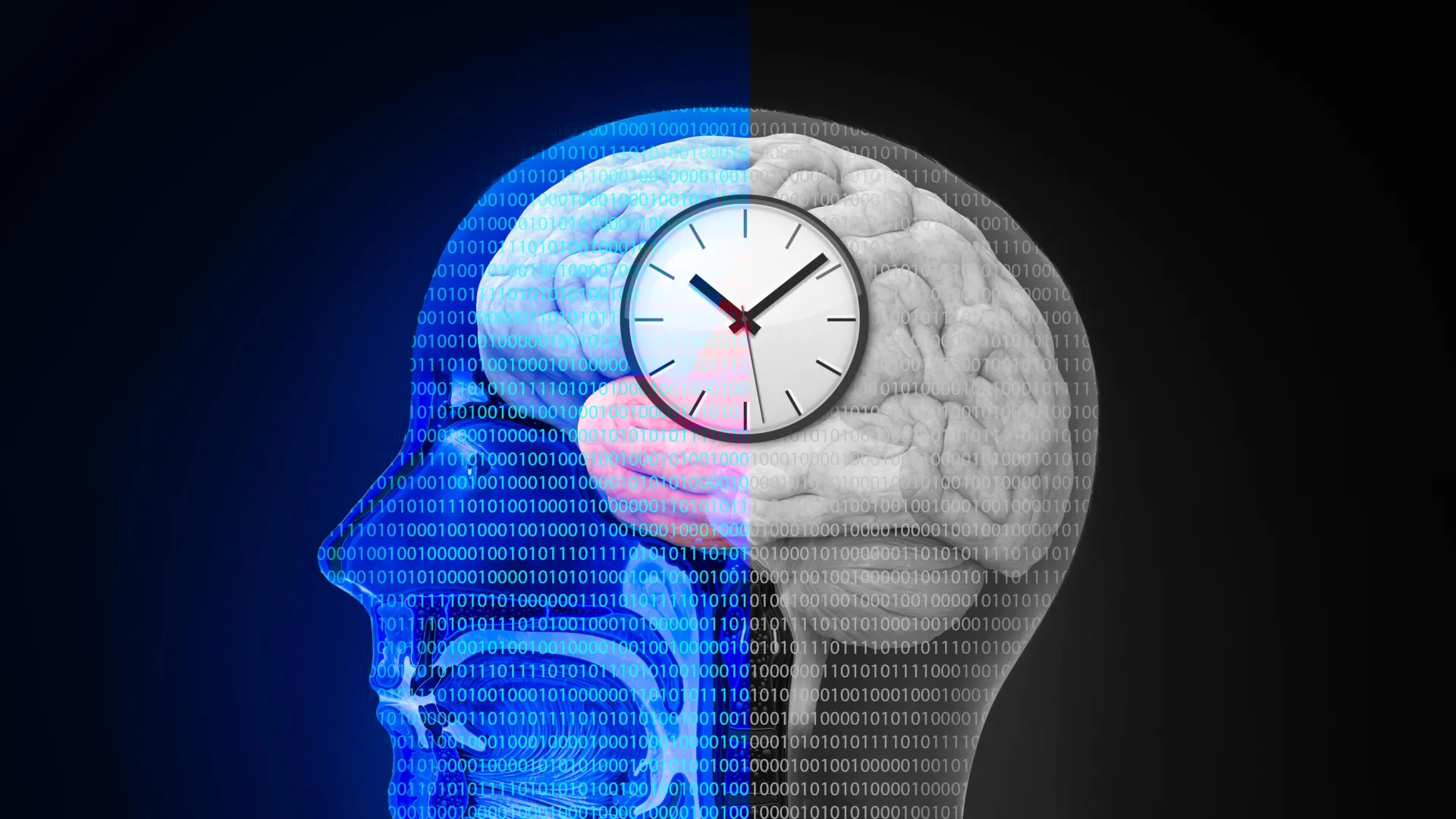
A stroke is more than just a sudden cardiovascular event—it can fundamentally disrupt the brain's sense of time. Patients frequently experience broken sleep-wake cycles, which have long been linked to slower recovery, depression, and a lower quality of life.
Now, a groundbreaking study published in the Journal of Clinical Investigation by researchers at the University of Rochester Medical Center suggests that reinforcing the body's natural circadian rhythms could help the brain heal long after an initial stroke occurs.
The Brain’s Nighttime Cleanup Crew
To understand how biological clocks aid recovery, researchers focused on the glymphatic system—the brain’s unique waste-clearing network.
Discovered in 2012 by neuroscientist Dr. Maiken Nedergaard, the glymphatic system pumps cerebrospinal fluid through brain tissue to sweep away cellular waste, metabolic debris, and inflammatory molecules.
- Sleep Dependency: Glymphatic activity is most active during deep sleep.
- Circadian Control: The system operates on a natural 24-hour cycle driven by the body's internal clock, even independently of sleep.
When a stroke occurs, this cleanup network bogs down. Inflammatory molecules accumulate in brain tissue, creating a lingering cycle of swelling and continuous damage.
A Shift from Suppression to Clearing
Traditionally, stroke treatments have focused on suppressing damaging inflammation. However, lead author Dr. Lauren Hablitz suggests that part of the issue is a failure of basic waste clearance rather than an overproduction of inflammatory signals.
By restoring the brain's timing mechanisms, scientists hypothesized that they could re-enable the glymphatic system to flush out these toxic lingering signals.
Testing Circadian Therapies
Researchers tested several clock-reinforcing strategies on mouse models, including timed light exposure, melatonin, a clock-targeting drug (KL001), and time-restricted feeding.
To simulate real-world conditions where immediate post-stroke treatment isn't always possible, treatments were delayed until three days after the stroke—well outside the narrow window required for standard clot-busting medications.
The results were remarkable:
- Improved Mobility: Mice showed significant motor recovery improvements.
- Reduced Brain Damage: Lesion sizes were noticeably smaller.
- Lower Inflammation: Inflammatory cytokine levels dropped steadily across the board.
- Enhanced Waste Removal: Glymphatic fluid flow increased dramatically.
Accessible Treatments for Home and Hospital
One of the most promising findings was the effectiveness of time-restricted feeding—a simple behavioral approach that restricts eating to specific hours of the day.
Because non-pharmacological habits are easier to implement outside of intensive care settings, circadian-based therapies could one day offer an accessible, low-cost tool for long-term stroke rehabilitation both in hospitals and at home.