In Brief:
- A drifting 10,000 lb SpaceX rocket stage is set to crash into the moon.
- Hitting at 5,400 mph near Einstein Crater, it will form a 90-foot crater.
- Telescopes may catch the rising debris plume, though the flash won't be visible.
- Lunar orbiters will capture images to study crash impacts for future missions.
- Highlights the growing need for space debris management.
A drifting SpaceX Falcon 9 upper stage—originally launched on January 15, 2025, to send two private landers to the moon—is on an unintentional collision course with the lunar surface.
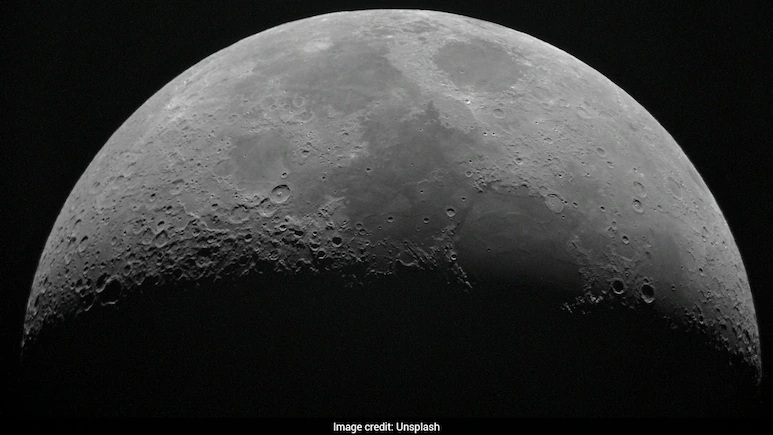
Travelling at approximately 5,400 mph (8,700 kph), the 10,000-pound rocket segment is expected to impact the moon's sunlit near side near Einstein Crater, creating an estimated crater 90 feet wide and 16 feet deep while kicking up a visible plume of dust and debris.
While the impact flash will be too dim for direct viewing, skygazers in the Americas using telescopes may observe the ejected debris stream. Scientists note that while this specific impact poses no immediate danger, it underscores the growing challenge of space debris and orbital traffic control as robotic and crewed missions to the moon increase.
Lunar orbiters from NASA and South Korea plan to capture before-and-after imagery to study the impact's effects.
Source: NDTV