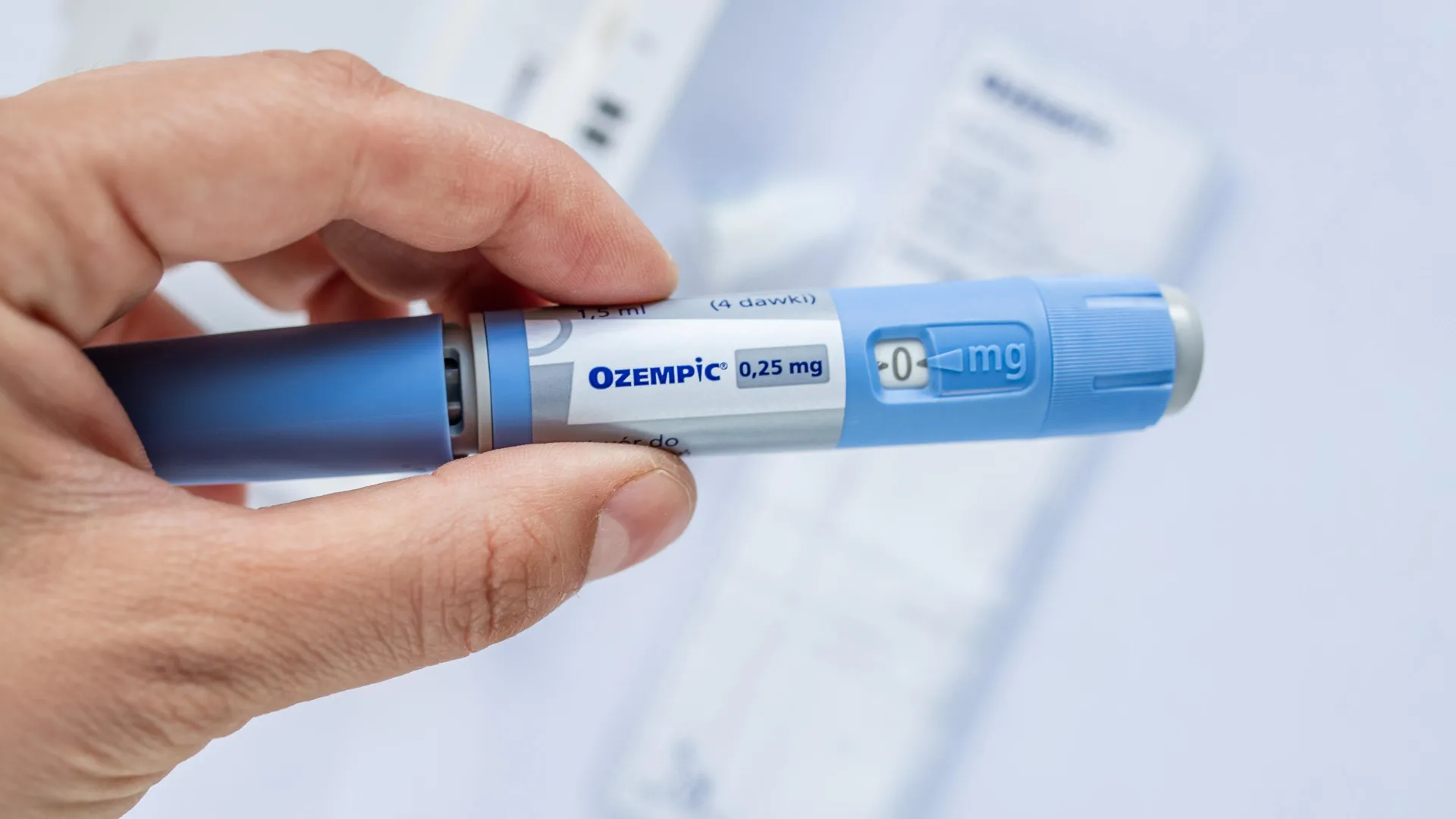
Discontinuing popular GLP-1 medications—such as Ozempic, Wegovy, Mounjaro, and Zepbound—may do more than just cause weight regain. According to new research led by Washington University School of Medicine in St. Louis, stopping these treatments can rapidly erase the heart-protective benefits built up over time.
The study, published in BMJ Medicine, tracked over 333,000 U.S. veterans with type 2 diabetes over a three-year period. Researchers found that after two years off GLP-1 therapy, patients faced a 22% higher risk of major cardiovascular events—including heart attack, stroke, and death—compared to those who remained on the medication continuously.
Why Heart Benefits Disappear Quickly
Roughly half of all users discontinue GLP-1 drugs relatively soon after starting, often due to high costs, side effects, or supply shortages. While weight regain is the most visible consequence of stopping, scientists emphasize that metabolic changes happen silently underwater.
When treatment stops, patients frequently experience a surge in:
- Inflammation
- Blood pressure
- Cholesterol levels
This sudden surge creates a "metabolic whiplash" that harms cardiovascular health, undoing years of accumulated heart protection in a relatively short timeframe.
Key Findings from the Study
- Continuous Use Delivers the Most Protection: Patients who stayed on GLP-1 medications for the full three years saw an 18% lower risk of major heart events compared to those on traditional diabetes drugs (sulfonylureas).
- Short Gaps Still Matter: Taking a pause as short as six months before restarting treatment reduced the drug's overall cardiovascular benefits by 4% to 8%.
- Restarting Isn't a Full Fix: While resuming GLP-1 treatment restored some lost cardiovascular protection, it did not fully offset the damage caused by the interruption.
What This Means for Patients
The findings highlight that GLP-1 medications should be treated as long-term therapies for chronic conditions rather than short-term fixes. Researchers recommend that healthcare providers work proactively with patients to manage side effects, address cost barriers, and minimize treatment interruptions to preserve long-term heart health.