In Brief
- Vijaya Rahatkar affirmed that women are actively leading key industries and public sectors across India rather than remaining passive participants.
- The NCW Chief expressed optimism regarding the swift implementation of the Nari Shakti Vandan Adhiniyam (Women's Reservation Act).
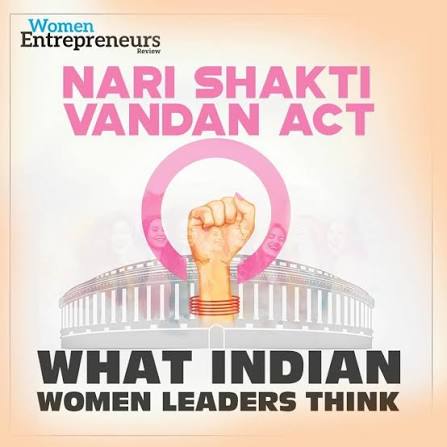
- The act aims to reserve one-third of seats for women in the Lok Sabha and state assemblies to ensure inclusive governance and equal decision-making power.
- Rahatkar highlighted that legal safeguards paired with administrative reforms foster a broader societal shift toward gender equality.
Empowered Women Drive Institutional and Sectoral Growth
Addressing an event in New Delhi on Friday, November 6, 2026, National Commission for Women (NCW) Chairperson Vijaya Rahatkar commended the evolving role of women in modern India. Rahatkar asserted that women have surpassed traditional boundaries, demonstrating leadership capabilities across science, business, public policy, and governance.
"Women in India are not merely participants in development; they are the leaders driving transformation," Rahatkar remarked, noting that systemic support and legal frameworks are aligning to accelerate women's contributions to the national economy.
Accelerating Political Inclusion Through Legislation
Focusing on governance, the NCW Chief highlighted the historic significance of the Nari Shakti Vandan Adhiniyam. The constitutional amendment, which reserves 33 percent of seats in the Lok Sabha and state legislative assemblies for women, represents a crucial milestone for democratic representation.
Rahatkar voiced confidence that the administrative and logistical prerequisites for the law's implementation are progressing steadily. She pointed out that political empowerment at the highest legislative levels naturally translates to grassroots development and balanced policy formulation.
Institutional Role of the NCW
Under Rahatkar's stewardship, the NCW continues to advocate for gender-neutral workspace policies, expanded legal awareness, and safety mechanisms for women. She reiterated that achieving true equality requires bridging structural gender gaps, ensuring equal access to leadership roles, and maintaining zero tolerance toward violence against women.
Next Steps
The National Commission for Women will continue coordinating with central ministries, regional state commissions, and civil society groups to streamline women's welfare initiatives and oversee preparations surrounding equal representation policies.
Source
- Hindustan Times: article link