A long-term study published in the Journal of Neurology Neurosurgery & Psychiatry offers compelling news for cognitive health: following the MIND diet may significantly slow age-related brain shrinkage, effectively delaying some signs of brain aging by up to 2.5 years.
Researchers analyzed data from more than 1,600 middle-aged and older adults over an average 12-year follow-up period to understand how dietary habits influence physical changes in the brain over time.
What Is the MIND Diet?
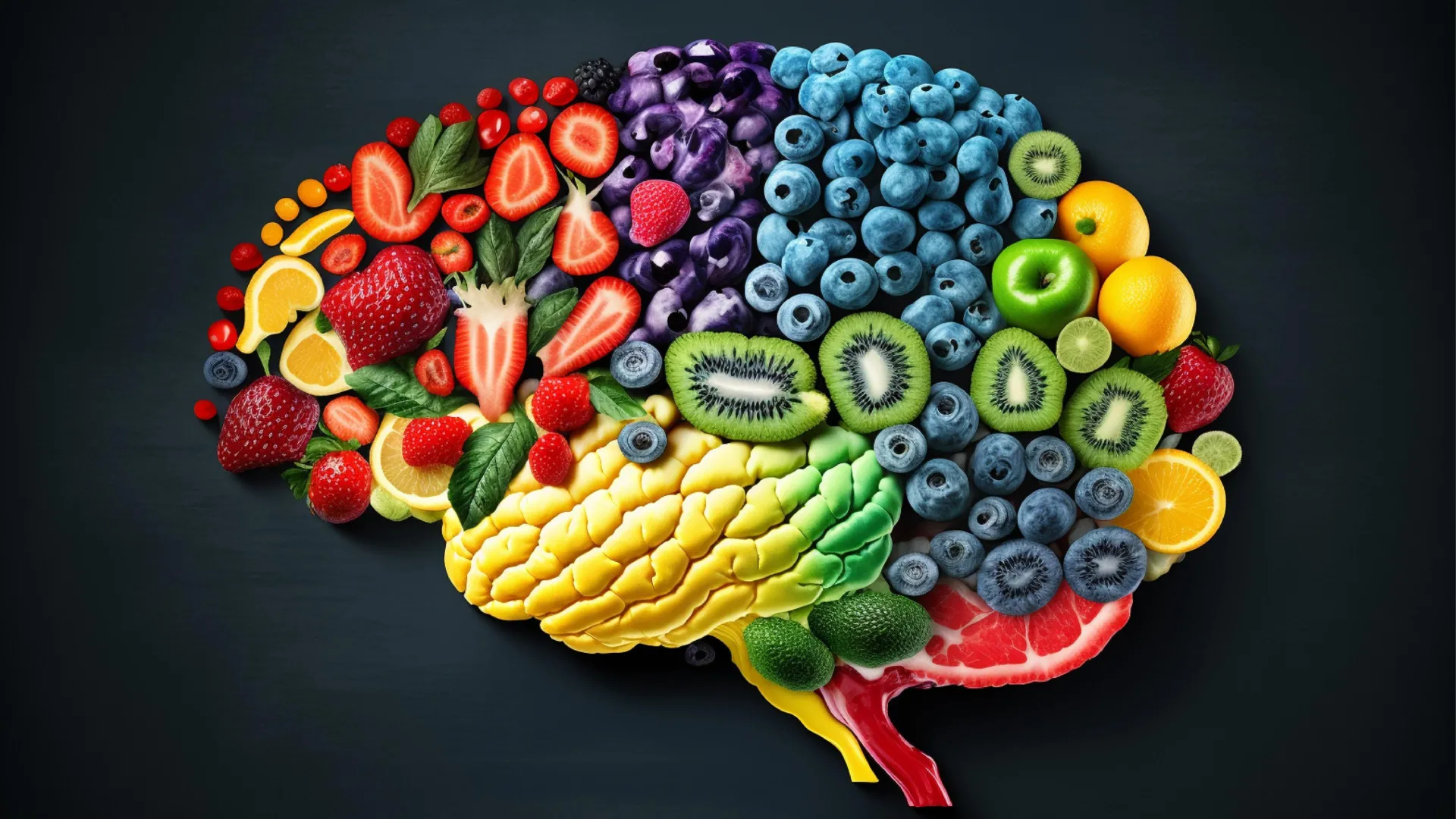
The MIND diet—short for Mediterranean-DASH Diet Intervention for Neurodegenerative Delay—combines key elements of the Mediterranean diet and the DASH diet (designed to lower blood pressure).
Foods to Enjoy:
- Green leafy vegetables & other vegetables
- Berries
- Nuts & beans
- Whole grains
- Fish & poultry
- Olive oil
- Moderate wine consumption
Foods to Limit:
- Butter & margarine
- Cheese
- Red meat
- Pastries & sweets
- Fried fast foods
Key Findings: Less Tissue Loss over Time
Using regular MRI scans, researchers tracked structural changes in participants' brains. While normal aging causes a gradual decrease in brain volume, those who strictly followed the MIND diet experienced notably slower brain changes:
- Preserved Grey Matter: A 3-point increase in MIND diet score was associated with a 20% reduction in age-related grey matter loss—equivalent to turning back the clock on brain aging by 2.5 years. Grey matter is crucial for memory, learning, and decision-making.
- Slower Ventricular Enlargement: Fluid-filled spaces in the brain (ventricles) expand as brain tissue shrinks. High MIND diet adherence slowed this expansion by 8%, delaying brain aging by about 1 year.
- Strongest Benefits for Older Adults: The protective effects were particularly noticeable in older participants, active individuals, and those maintaining a healthy weight.
Which Foods Helped the Most?
Not all foods on the menu showed equal impact in the study:
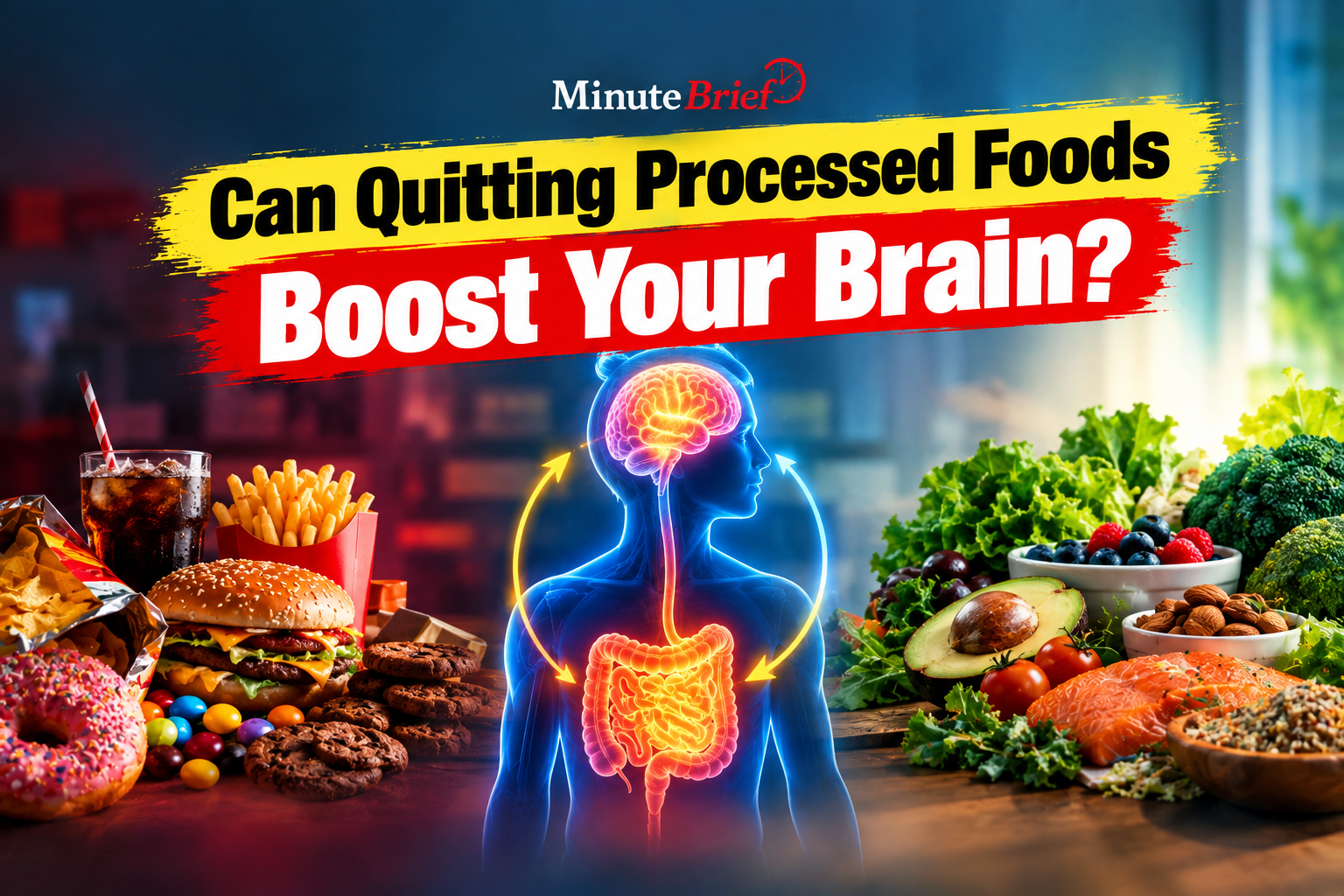
- Top Brain Boosters: Higher consumption of berries and poultry showed the strongest links to slower tissue loss and reduced ventricular expansion. Researchers attribute this to antioxidants in berries and high-quality protein in poultry, which help reduce inflammation and oxidative stress.
- Foods Linked to Faster Shrinkage: High consumption of sweets and fried fast foods was associated with accelerated hippocampal atrophy and greater brain volume loss.
Surprising Nuances
The study also yielded a few unexpected results: higher whole grain intake unexpectedly correlated with faster tissue loss, while moderate cheese consumption was associated with favorable brain structure markers. Further research will be needed to better understand these specific relationships.
The Takeaway
While the observational study cannot definitively prove direct cause-and-effect, it adds substantial weight to the idea that daily food choices directly impact brain resilience. Combining a brain-healthy diet rich in berries, vegetables, and lean proteins with regular physical activity offers a promising, practical way to protect cognitive vitality as you age.