In Brief
- Sikkim proposes solar-powered pumping to reduce glacial flood risks.
- The move aims to prevent glacial lake outburst floods impacting the region.
- Retention structures and early warning are part of the mitigation strategy.
- These efforts seek to safeguard communities and promote climate resilience.
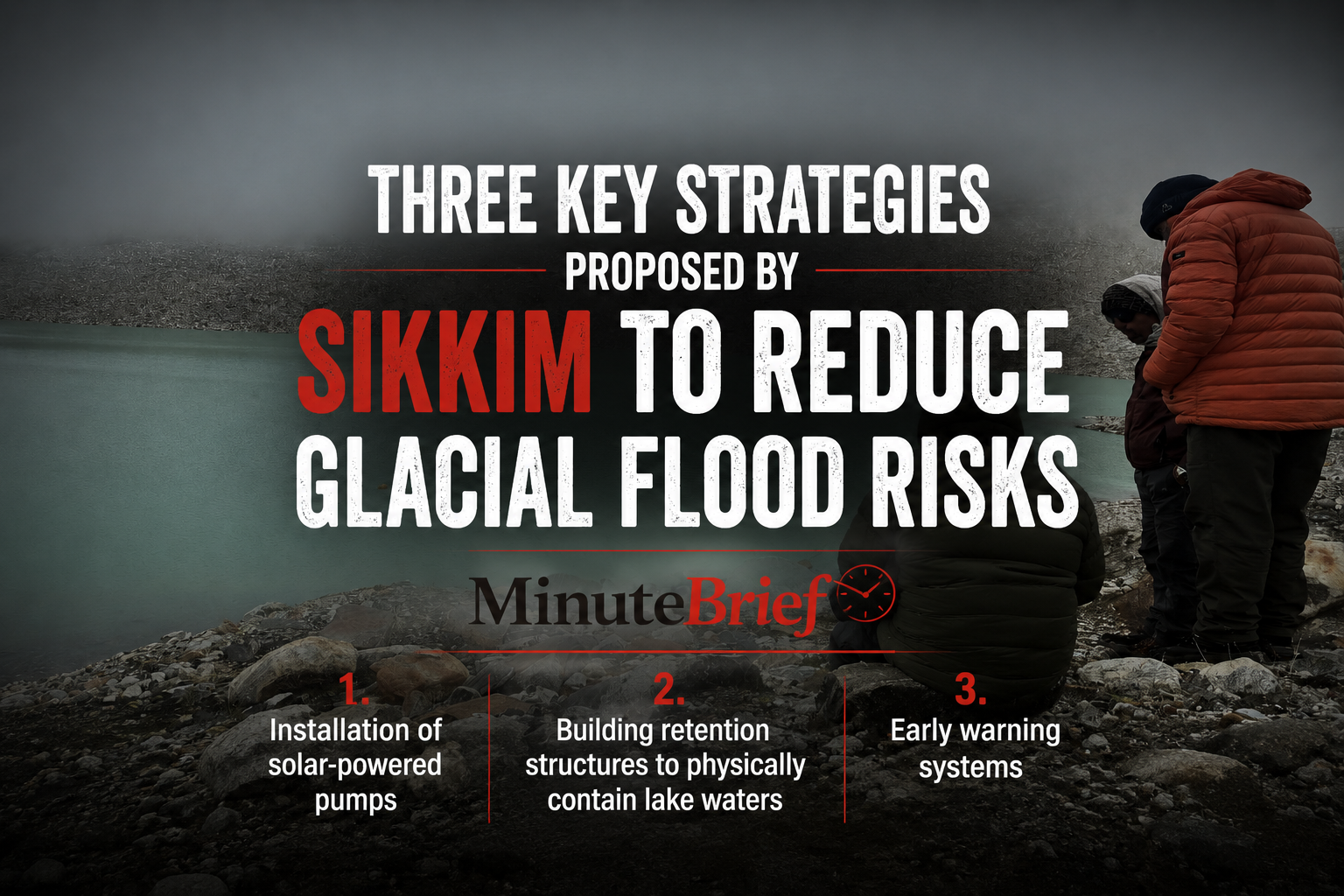
The government of Sikkim has outlined three key strategies to address the threat of glacial lake outburst floods (GLOFs) caused by melting glaciers in the Himalayan region. One of the primary methods includes the installation of solar-powered pumps to lower water levels in vulnerable glacial lakes.
In addition to pumping, the proposal recommends building retention structures to physically contain lake waters and reduce sudden releases. Early warning systems are also suggested to provide timely alerts to downstream populations at risk.
These measures are critical in a state where glacier melt and climate change have increased flood vulnerability, threatening both livelihoods and infrastructure. Officials emphasize that these interventions will enhance disaster preparedness and community safety.
The proposed mitigation plan is part of Sikkim's broader effort to strengthen climate resilience in its mountainous terrain and protect its residents from unpredictable natural hazards.