In Brief:
- Literally Off the Charts: WMO Chief Celeste Saulo warned the event could exceed any previously recorded intensity.
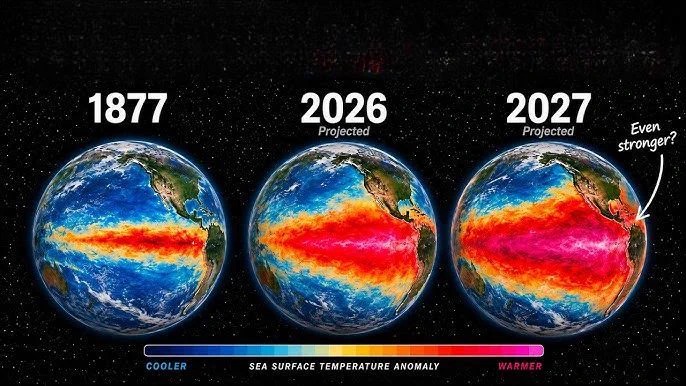
- Persisting Into 2027: Forecasts show a near 100% probability of El Niño continuing through early 2027.
- Extreme Climate Risks: Heightened global threats of severe droughts, heavy flooding, and record global heat.
- Agriculture & Economy Impact: WMO warned of widespread disruptions to global food, water, and energy systems.
The World Meteorological Organization (WMO) and UN Secretary-General António Guterres issued a stark warning on September 3, 2026, stating that a "supersized" El Niño pattern is developing across the equatorial Pacific and could become the most intense event recorded in forty years. WMO Secretary-General Celeste Saulo noted that sea-surface temperatures in key tropical Pacific zones have risen up to 2.6°C above average, pushing current atmospheric tracking "literally off the charts". UN officials warned that the unprecedented ocean warming will trigger widespread disruption to rainfall, monsoon systems, and global temperature baselines, compounding climate risks for agriculture, water security, and humanitarian relief efforts through 2027.