In Brief:
- Assam achieved a zero-poaching record for the one-horned rhino, marking only the second time since the 1970s that the state has accomplished this feat.
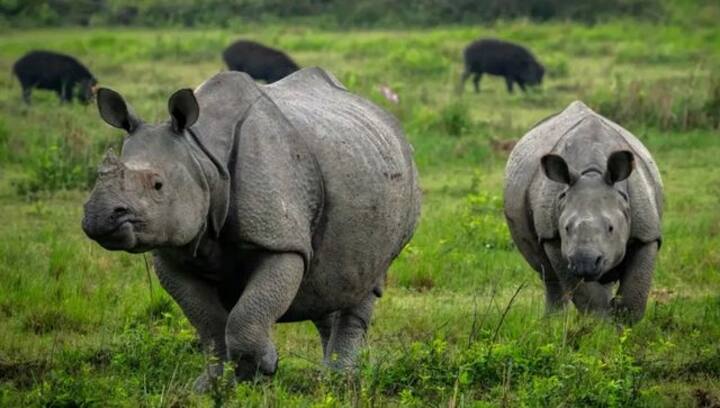
- The state is home to an estimated 3,260 greater one-horned rhinos, representing nearly 80% of the world's total population.
- Kaziranga National Park hosts over 2,600 rhinos, making it the largest single population concentration of the species globally.
Assam has achieved a monumental wildlife conservation milestone by recording zero known rhino poaching incidents, according to findings highlighted in the International Rhino Foundation’s 2026 State of the Rhino report. This achievement marks only the second time since the 1970s that the state has reported a full year without a single illegal rhino kill. Home to an estimated 3,260 greater one-horned rhinos out of the global population of roughly 4,075, Assam serves as the primary sanctuary for the species.
Kaziranga National Park alone anchors these efforts with more than 2,600 rhinos, while Manas National Park supports a growing breeding population of 40 to 50 rhinos through strategic rewilding and translocation programs.
The dramatic turnaround follows decades of intensive conservation measures aimed at curtailing organized poaching networks, which saw nearly 30 rhinos killed per year during peak periods in the mid-2010s. Chief Minister Himanta Biswa Sarma and state wildlife officials attributed the success to a combination of intelligence-led law enforcement, 24/7 anti-poaching surveillance, technology integration, and active participation from local fringe communities. While celebrating the zero-poaching milestone, conservationists emphasize that long-term focus must now shift toward improving habitat quality, managing invasive plant species, and securing vital wildlife corridors against human encroachment.