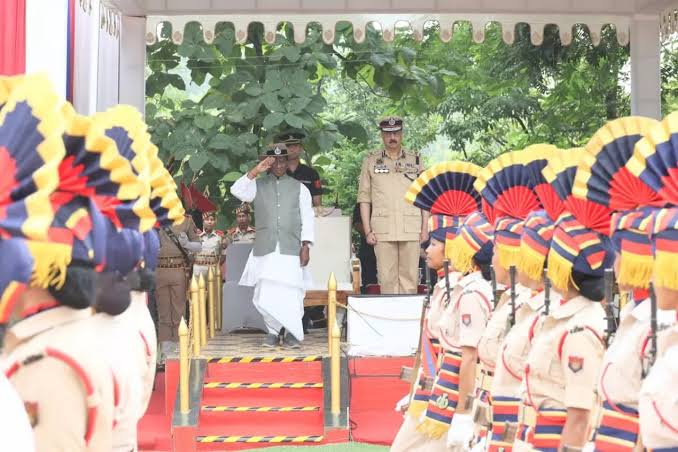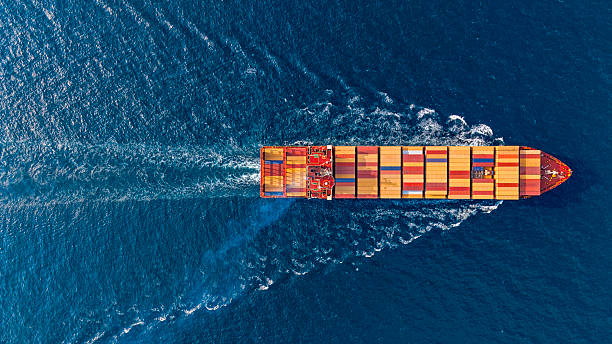
A major milestone was marked in Upper Assam as Union Minister of Ports, Shipping, and Waterways Sarbananda Sonowal flagged off the first international cargo consignment from Dibrugarh’s newly developed Bogibeel Terminal. Bound for Pangaon Port in Dhaka, Bangladesh, the maiden voyage signals a historic revival of Northeast India’s ancient river trade routes.
A Historic Return to the River
Before independence, Dibrugarh served as a thriving inland port connecting the region to global maritime trade routes via Kolkata. However, trade ground to a halt following the 1950 Assam earthquake—which drastically altered the Brahmaputra’s riverbed—and was later completely suspended during the 1965 India–Pakistan war.
For nearly seven decades, the once-bustling river port fell quiet as tea and commercial goods shifted to land corridors. The departure of the inaugural vessel, DLB Patkai, officially reconnects Upper Assam directly with international trade networks through National Waterway 2 (NW-2) and the Indo-Bangladesh Protocol Route (IBPR).
Key Cargo Highlights
- Route: From Bogibeel Terminal in Dibrugarh, Assam to Pangaon Port in Dhaka, Bangladesh.
- Shipment: Carrying 1,080 tonnes of locally produced Methanol.
- Manufacturer: Produced by Assam Petro-Chemicals Limited (APCL) based in Namrup.
- Transit Network: Traveling via National Waterway-2 (NW-2) and the Indo-Bangladesh Protocol Route (IBPR).
- Key Stakeholders: Facilitated through collaboration among IWAI, the Government of Assam, APCL, and Cochin Bunkers.
Why It Matters
- Economic Catalyst: Direct access to Bangladesh drastically reduces logistics costs and transport times for industrial goods originating in landlocked Upper Assam.
- Green Logistics: Transporting heavy bulk cargo via riverways burns significantly less fuel and alleviates congestion on long-distance highway routes.
- Regional Integration: Strengthens cross-border trade and economic cooperation under India’s Act East policy, positioning Assam as a commercial gateway to Southeast Asia.