Early adversity leaves a physical mark on the brain, altering how it reacts to pressure decades later. A study published in Neuron by researchers at Washington University School of Medicine in St. Louis and Princeton University reveals the biological mechanism linking severe childhood stress to adult mood disorders like anxiety and depression.
The "Slinky" Effect on DNA Packaging
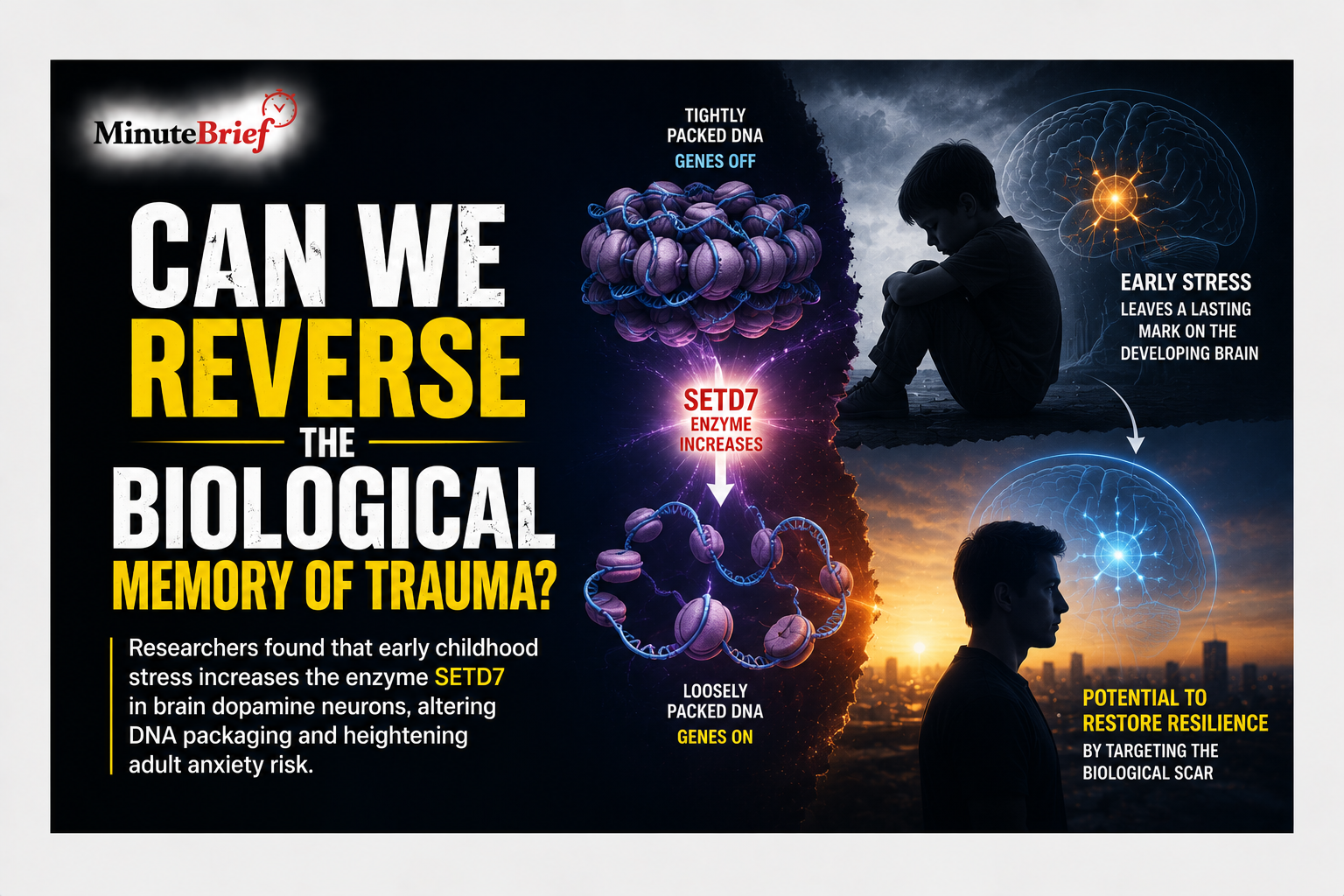
Inside brain cells, DNA is wrapped around proteins called histones like a coiled slinky:
- Tightly Packed: When the structure stays compressed, stress-related genes remain switched off.
- Loosely Packed: When the coils open, those same genes become primed and far easier to activate in response to environmental pressure.
The research team focused on dopamine-producing neurons in the ventral tegmental area, a key region for processing reward and stress.
How Early Stress Alters the Brain
- Enzyme Elevation: Early-life adversity triggers elevated levels of an enzyme called SETD7 in dopamine neurons.
- Epigenetic Tagging: SETD7 adds a molecular tag (H3K4me1) that forces the DNA structure to unpack and stay open.
- Increased Sensitivity: In mouse models, boosting SETD7 led to hyper-reactive dopamine neurons and adult anxiety, even without subsequent stress.
Blocking the Scar to Restore Resilience
The study also demonstrated that this epigenetic "scarring" isn't irreversible. By inhibiting SETD7 activity after early adversity, researchers prevented the DNA structure from locking open.
While no direct treatments currently exist for the molecular impacts of early stress, identifying SETD7 provides a concrete biological target. Interventions such as early therapy, social support, or targeted therapeutics during sensitive developmental windows may help keep the epigenome protected, giving the brain a chance to build natural resilience.
Source: Science Daily