In Brief
- Russian-speaking ransomware syndicate Everest listed flydubai on its leak site, claiming to have stolen 4.36GB of internal data (16,517 files).
- The alleged breach includes PII for 2,862 employees, Boeing 737NG pilot training programs, and source code for Boeing performance calculation software.
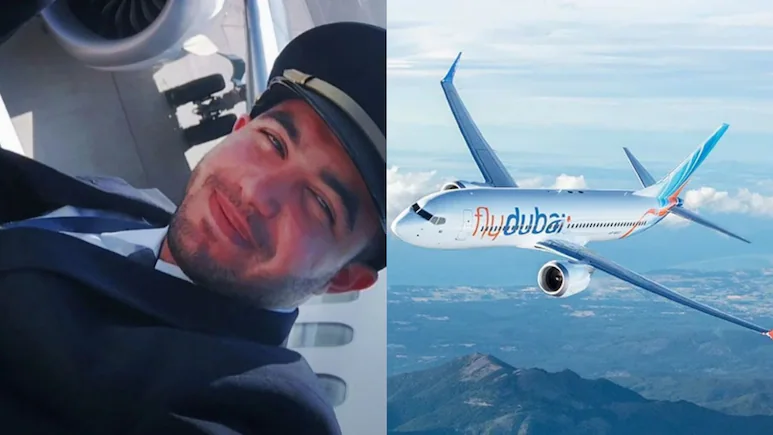
- The cyber extortion claim comes just days after the September 30 in-flight hijacking attempt on Flight FZ1073 by co-pilot Hamam al-Hammami.
Russian-speaking ransomware syndicate Everest claimed responsibility on October 6 for breaching the IT infrastructure of UAE-based carrier flydubai, alleging it exfiltrated 4.36GB of sensitive data contained across 16,517 files. According to dark web listings posted by the group, the compromised dataset encompasses personal records for 2,862 employees, complete Boeing 737NG pilot interactive training modules, internal operational manuals, and proprietary Boeing Performance Engineers Tool software source code. While cybersecurity researchers note that no technical root cause or public file samples have been independently released, threat intelligence firms are actively monitoring the group's extortion countdown timer.
The extortion attempt marks a second severe crisis for the Dubai-based airline within a single week. On September 30, flydubai Flight FZ1073 from Dubai to Tel Aviv suffered a mid-air security emergency when Omani co-pilot Hamam al-Hammami attacked Indian Captain Smit Machchhar inside the cockpit using a crash axe. Captain Machchhar and cabin crew members, assisted by passengers, managed to neutralize the co-pilot and divert the aircraft safely to Tabuk, Saudi Arabia. Forensic cybersecurity teams continue to evaluate whether the digital intrusion represents a targeted attempt to exploit the carrier during an active operational crisis.