In Brief
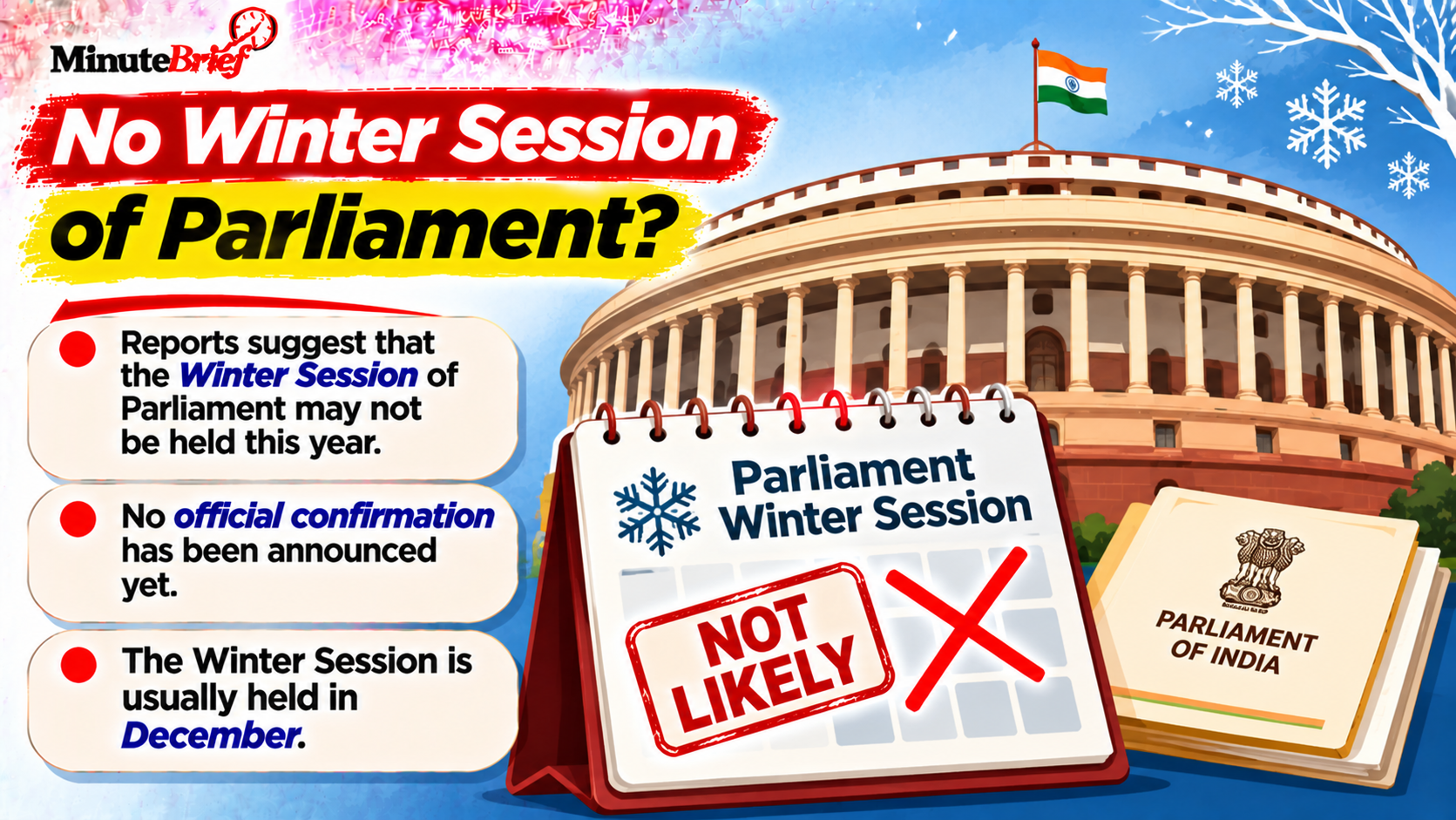
- Winter session of Parliament skipped only four times historically.
- All previous skips coincided with major national emergencies or crises.
- Instances included Emergency, Lok Sabha dissolutions, Indira Gandhi's assassination, COVID-19 pandemic.
- Skipping session notable due to Parliament’s role in governance and oversight.
Winter Session Skips in Indian Parliamentary History
The winter session of the Indian Parliament has been skipped only four times since independence, according to historical records. These rare instances have always coincided with significant extraordinary disruptions in the country’s political landscape or unforeseen emergencies.
Notable occasions when the winter session was not held include during the Emergency period in the mid-1970s, times when the Lok Sabha was dissolved, the assassination of then Prime Minister Indira Gandhi in 1984, and most recently during the COVID-19 pandemic when health concerns posed a challenge to convening Parliament in person.
Context and Importance
The winter session typically serves as a critical period for legislative business, including financial discussions and oversight of government activities. Skipping this session interrupts normal parliamentary functions and is thus an exceptional measure taken only during periods of considerable crisis or transition.
The decision to skip a session impacts the democratic process, as Parliament is the key forum for debate, lawmaking, and holding the executive accountable. Such pauses reflect how extraordinary circumstances can temporarily alter regular governance processes to prioritize national stability or health safety.
Why It Matters to India
Understanding the historical context of skipped winter sessions highlights the gravity of disruptions that compel Parliament to pause. It also underscores resilience, as normal sessions resume promptly once conditions stabilize.
India’s democratic traditions emphasize continuous parliamentary engagement, making any session skip a significant event warranting public and political attention. This historical perspective informs debates about parliamentary scheduling amid present or future crises.