In Brief
- Researchers found fungal toxins in all 212 tested plant-based foods.
- Mycotoxins can contaminate crops during farming and storage.
- Study covered popular UK vegan and vegetarian products including milk alternatives.
- Results highlight the need for monitoring contaminants in plant-based foods.
How Mycotoxins Enter Plant-Based Supply Chains
Mycotoxins are secondary metabolites produced by fungi, including molds, that can infect crops such as grains, legumes, nuts, and seeds during cultivation, harvesting, or storage. Because these compounds occur naturally in agricultural commodities, researchers note they cannot be eliminated entirely from the food supply.
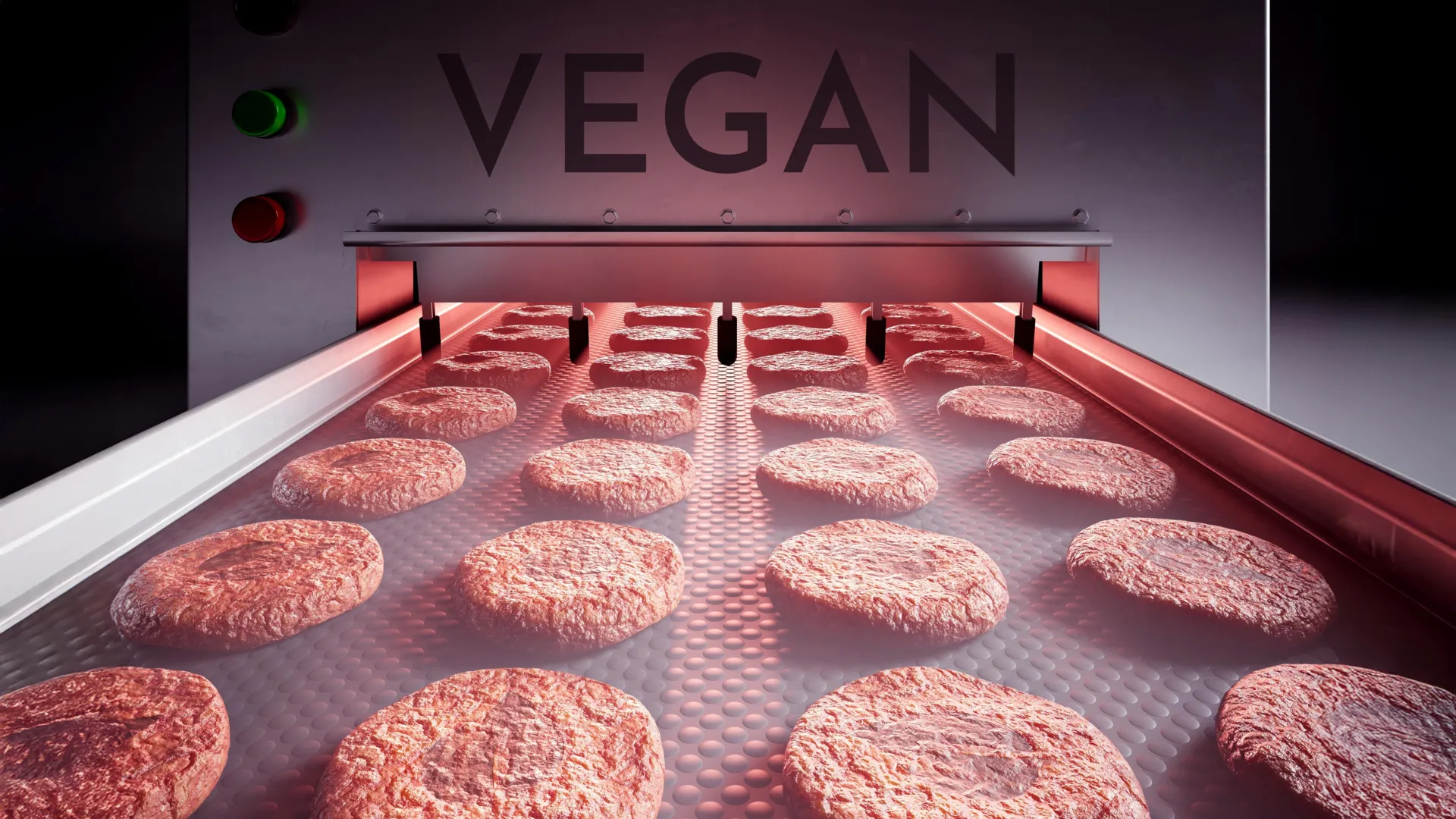
In the study—carried out under the EU-funded Horizon Europe FunShield4Med project—scientists used liquid chromatography coupled with tandem mass spectrometry (LC-MS/MS) to examine co-occurrence across plant-based burgers, vegan sausages, vegetarian "chicken" pieces, and grain- or nut-based drinks purchased from UK retailers.
Context, Health Risks, and Monitoring Call
Severe or high-dose exposure to certain mycotoxins has been linked in toxicology literature to liver and kidney damage, immune suppression, and cancer risks. However, food safety researchers stress that real-world risk depends on the specific toxin, its concentration, and a person's long-term intake—and that the study did not show tested products caused illness.
Cranfield University mycology lecturer Andrea Patriarca advised consumers not to panic or abandon varied diets over the findings, while pointing out a regulatory gap: as new plant-based formulations enter the market, dedicated mycotoxin monitoring rules for these specific products remain limited, making upstream testing of raw crops and ingredients vital.