In Brief
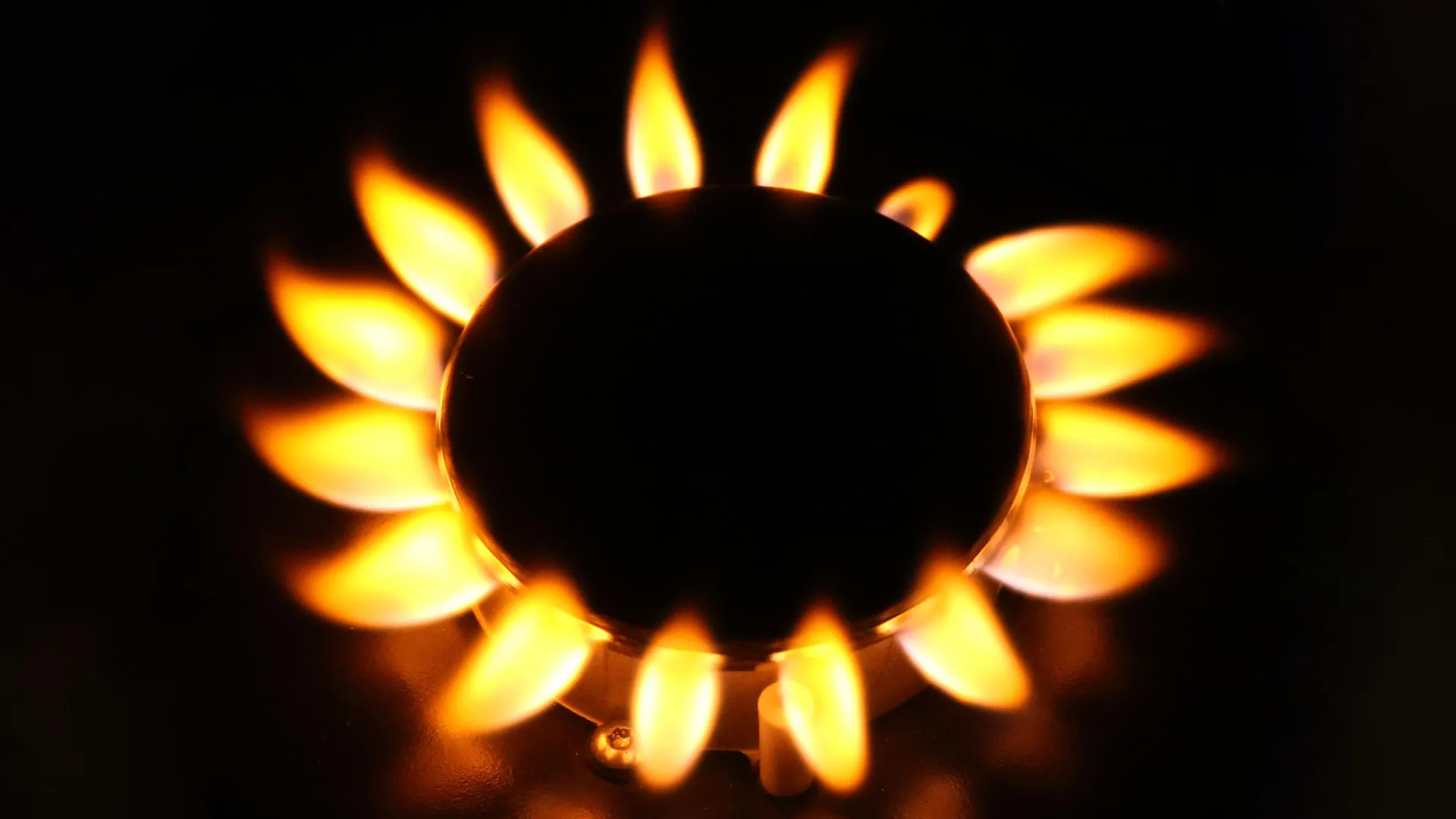
- Hydrogen flames glow orange then become nearly invisible due to sodium in the air.
- Discovery aids safer hydrogen-powered appliance design beyond visual flame detection.
- Sodium's presence explains color changes in hydrogen combustion flames.
- Findings support sensor-based flame safety in future hydrogen stoves and ovens.
How Weather Changes the Look of a Hydrogen Flame
As countries explore blending or replacing natural gas with zero-carbon hydrogen in residential heating and cooking—such as Australia’s first 100% hydrogen-powered demonstration home in Victoria—burner visibility has emerged as a major practical safety hurdle.
Led by Paul R. Medwell at Adelaide University and supported by the Future Fuels Cooperative Research Centre, the research team tested both laboratory jet flames and domestic cooktop burners using spectroscopy and high-sensitivity photography. Testing both industrial-grade (99.5%) and ultra-high-purity (99.999%) hydrogen confirmed that the orange coloration did not come from impurities in the gas supply itself, but from tiny sodium aerosols floating in the ambient room air.
Engineering Safer Hydrogen Kitchens
When winds swept inland from the ocean, airborne sea salt boosted sodium concentrations and gave the hydrogen flame an unmistakable orange hue. When atmospheric conditions shifted and airborne sodium dropped, the same burner reverted to a faint blue-red emission difficult to spot under normal kitchen lighting.
Because a flame that is clearly visible one day can become virtually invisible the next, the authors conclude that visual appearance cannot serve as a reliable safety indicator. Integrating built-in ultraviolet (OH* chemiluminescence) detectors, infrared sensors, or thermal confirmation switches into household appliances will be essential to verify ignition and prevent unintended exposure.