In Brief
- Researchers developed a gum disease treatment that targets harmful bacteria specifically.
- The new therapy preserves beneficial oral bacteria and healthy gum cells.
- In mice, the treatment reduced bone loss linked to periodontitis significantly.
- This approach offers a targeted alternative to conventional gum disease therapies.
Innovative Gum Disease Therapy Developed in Japan
Researchers in Japan have developed a novel treatment for gum disease that uses egg yolk antibodies combined with near-infrared light to selectively eliminate harmful bacteria causing periodontitis. This approach preserves the beneficial bacteria naturally present in the mouth and protects healthy gum tissues, differing from traditional treatments that can indiscriminately affect all oral microbes.
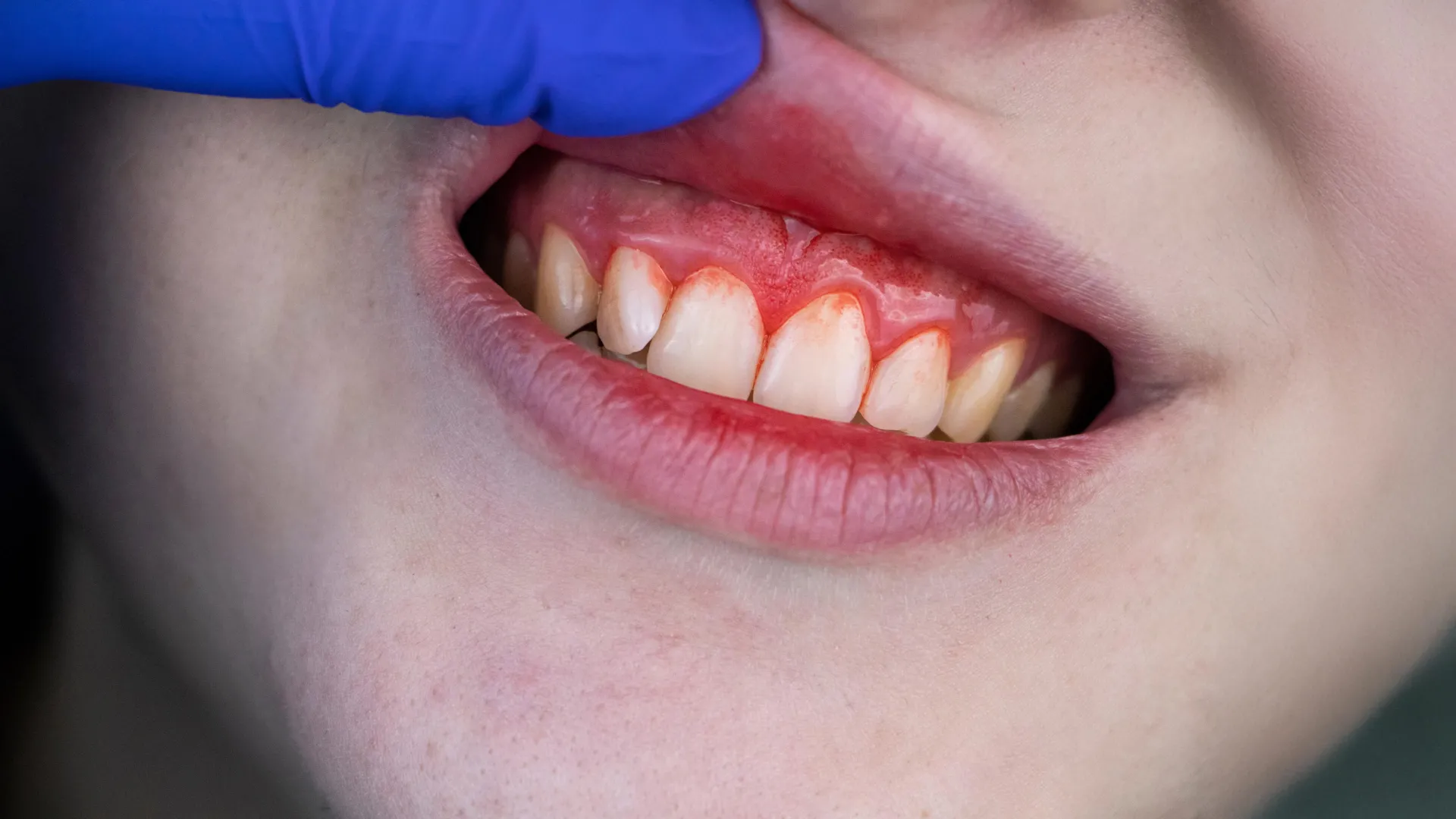
Periodontitis is a major cause of tooth loss worldwide, characterized by the destruction of the bone supporting teeth. Conventional treatments often disrupt the mouth's microbial balance, potentially leading to further complications. The new therapy aims to address these issues by targeting only pathogenic bacteria.
In preclinical studies involving mice, the researchers demonstrated that this treatment significantly reduced bone loss associated with periodontitis. The use of egg yolk antibodies facilitates specific binding to harmful bacteria, which are then destroyed upon exposure to near-infrared light. This targeted method ensures that beneficial microbes and healthy gum cells remain unharmed.
The development marks a promising advancement in dental care, potentially improving outcomes for patients with gum disease by maintaining oral microbial balance and minimizing tissue damage. Further research and clinical trials are anticipated to validate efficacy and safety in humans.