In Brief
- NASA announced plans to land Lunar Reactor-1, its first fission surface power unit, on the Moon by 2030.
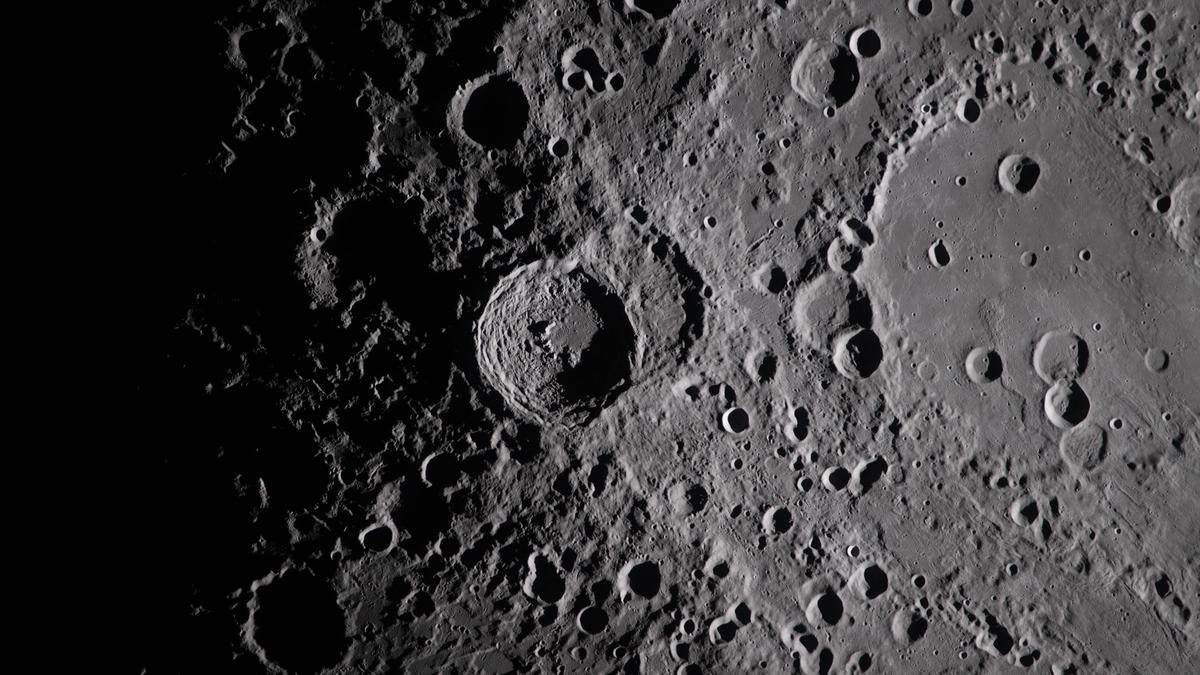
- The nuclear reactor will deliver continuous power through the 14-day lunar night and inside permanently shadowed polar craters where solar energy is unavailable.
- The system is designed to support life-support habitats, rovers, and in-situ resource extraction, serving as a critical stepping stone for future human missions to Mars.
NASA has finalized operational targets to deploy a commercial fission nuclear reactor to the lunar surface by 2030, securing a continuous energy supply for long-term human exploration under the Artemis program. Developed in partnership with the U.S. Department of Energy and private aerospace contractors, the initial 40-kilowatt class Fission Surface Power system—designated Lunar Reactor-1—is engineered to operate reliably in the Moon's extreme environment.
Because a single lunar night lasts nearly two Earth weeks with temperatures plummeting below -290°F (-180°C), conventional solar power arrays cannot meet the continuous energy demands of sustained crewed outposts. The compact, lightweight reactor will generate steady electricity independent of sunlight, providing vital power for astronaut habitats, life-support networks, scientific instruments, and regolith processing plants designed to extract water ice and oxygen from the lunar south pole. Space agency officials emphasize that proving nuclear surface power on the Moon is an essential milestone toward establishing permanent extraterrestrial bases and preparing for future crewed expeditions to Mars.