In Brief
- Scientists identified a new extinct crocodile species in Egyptian Sphinx rocks.
- The discovery links the fossil to the same limestone quarried for the Great Sphinx.
- The fossil is missing the tip of its snout, echoing the Sphinx's iconic erosion.
- This finding provides insights into prehistoric fauna and geology around the monument's site.
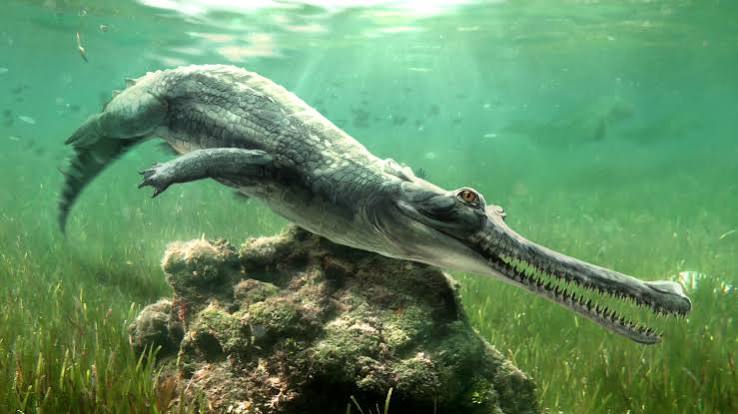
In October 2026, scientists announced the discovery of a previously unknown extinct crocodile species from fossil remains found within the limestone rocks used to build the Great Sphinx in Egypt. Remarkably, the fossil specimen lacks the tip of its snout, paralleling the Sphinx's missing nose, a famous feature of the monument that has drawn much speculation.
The limestone quarry supplying the Sphinx has yielded this fossil, linking the discovery directly with the monument’s geological context. The crocodile species lived millions of years ago and contributes to understanding the ancient fauna inhabiting the region long before the monument's construction.
The fossil analysis helps researchers piece together Egypt's prehistoric environment. It underscores the scientific value of studying the Sphinx's quarry site, revealing more than architectural history but also rich paleontological insights. This discovery is significant because it adds a new species to crocodile evolutionary history and emphasizes the interconnectedness of cultural heritage sites and natural history.