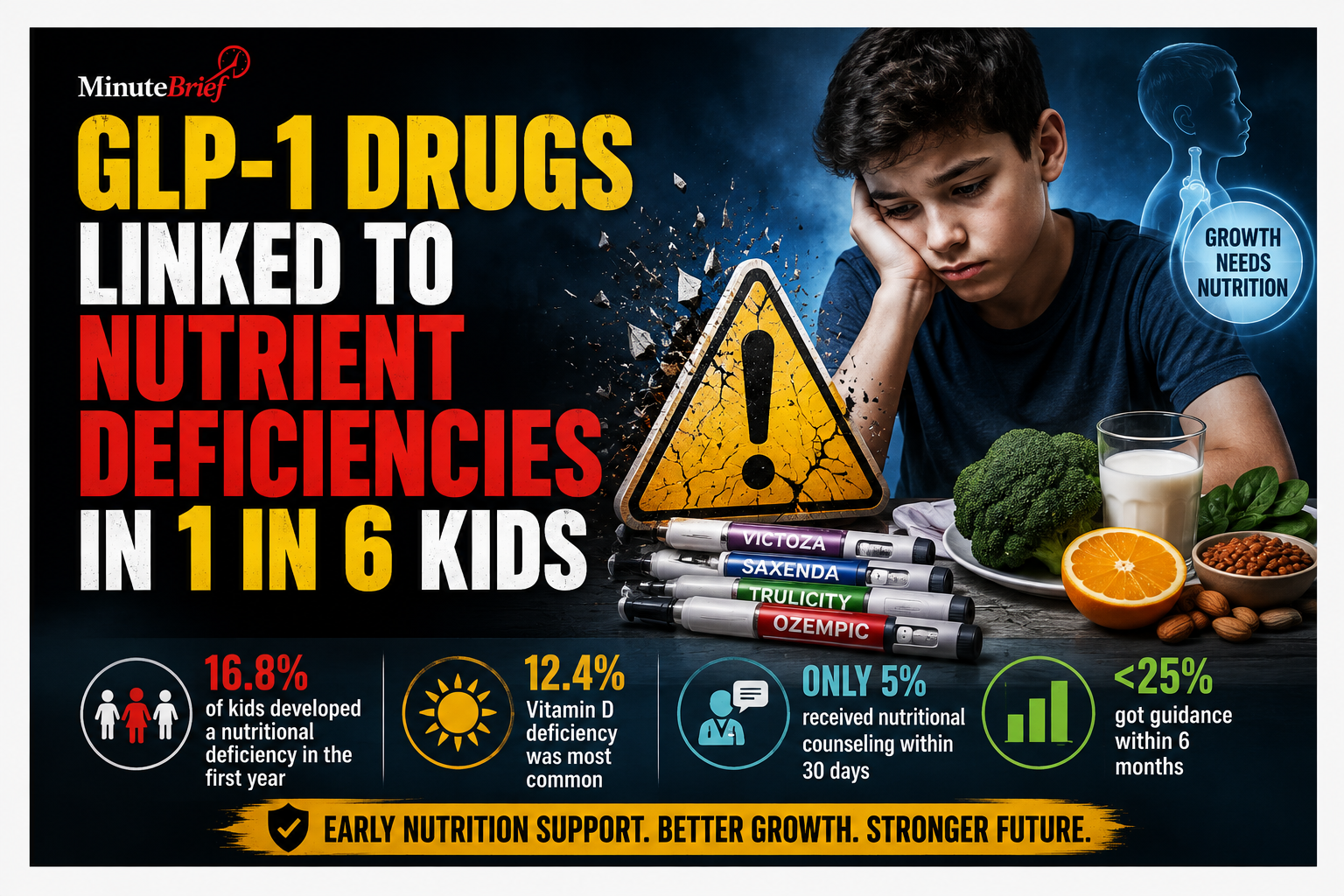
A study published in Childhood Obesity reveals a potential health risk for young patients prescribed GLP-1 medications—such as Victoza, Saxenda, Trulicity, and Ozempic—for weight management, prediabetes, or type 2 diabetes. Researchers found that nearly 16.8% (about 1 in 6) of pediatric patients developed a diagnosed nutritional deficiency within their first year of starting treatment.
Key Findings
- Vitamin D Shortfall: The most frequent issue observed was a Vitamin D deficiency, which affected 12.4% of young patients within the first 12 months.
- Low Counseling Rates: Despite the elevated risk, only 5% of children received nutritional counseling within 30 days of starting a GLP-1 drug, and under 25% received guidance within six months.
- Medications Tracked: Analyzing claims data for over 2,000 children aged 10 to 17, researchers noted that liraglutide (Victoza/Saxenda) was the most prescribed drug (78.6%), followed by dulaglutide (10.4%) and semaglutide (9.1%).
Why Adolescent Growth Demands Extra Care
Adolescence involves rapid physical development, pubertal changes, and crucial bone growth. Key nutrients—particularly Vitamin D, calcium, and iron—are vital during these formative years to prevent long-term skeletal or developmental issues. Because GLP-1 drugs suppress appetite and significantly reduce calorie intake, children may miss out on essential daily nutrition if their dietary intake isn't actively monitored.
Moving Toward Proactive Nutritional Care
Lead researcher Dr. Justin Ryder of Lurie Children’s Hospital emphasizes that nutritional guidance should start alongside medication, rather than waiting for deficiencies to appear in bloodwork. Proactive dietary support from the outset can help young patients gain the weight-management benefits of GLP-1 therapies without compromising their long-term growth and health.