In Brief
- For three decades, MKD research and therapies focused on blocking signals from macrophages, leaving roughly half of patients without adequate relief. Researchers found that impaired NK cells are actually the primary trigger.
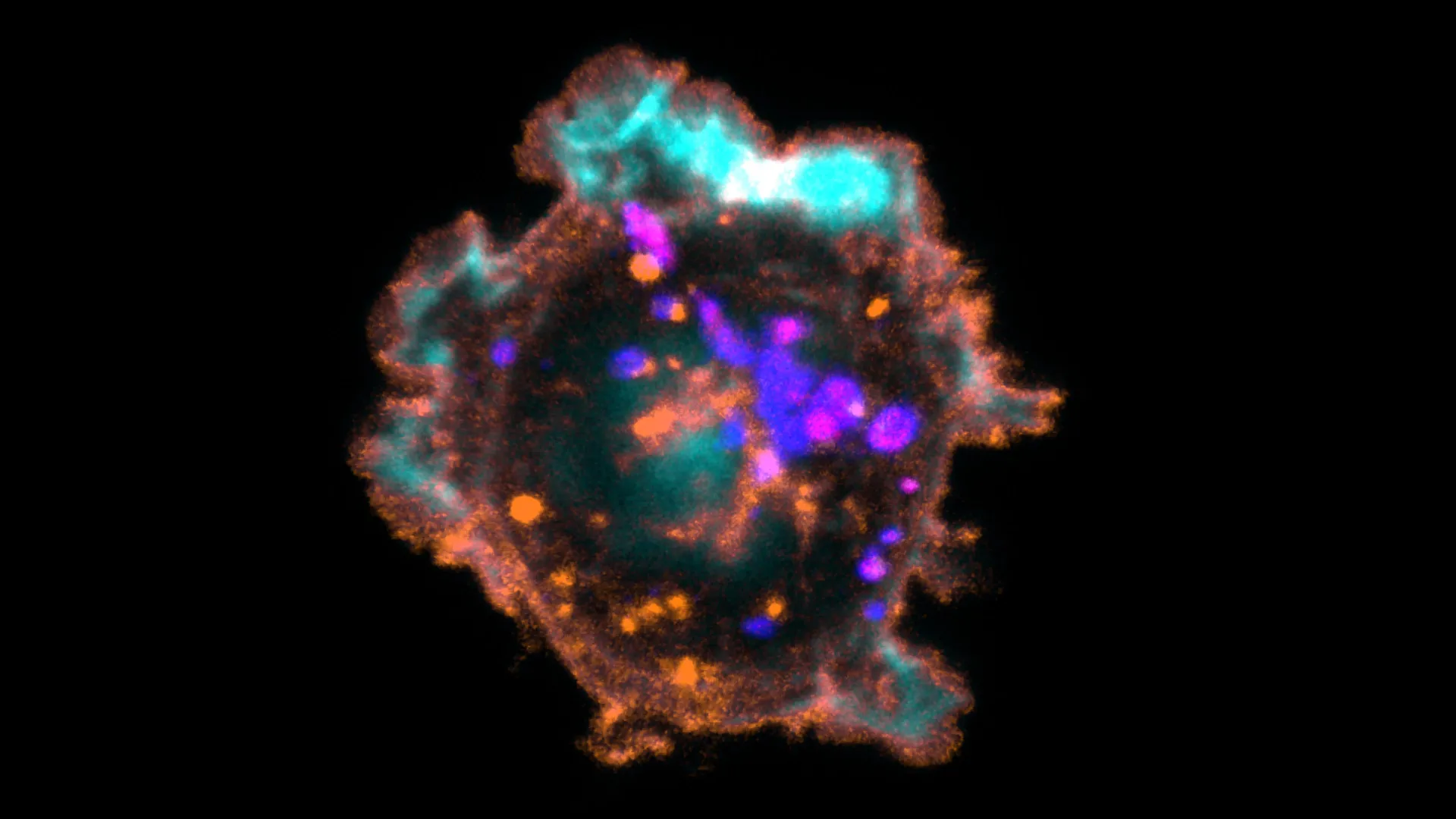
- In MKD, NK cells fail to mature properly and cannot release their toxic granules to kill virus-infected cells. Trapped granules force the cells to "shout for help" by pumping out excessive interferon gamma, igniting dangerous fevers, rashes, joint pain, and organ inflammation.
- Working with clinicians at Melbourne’s Royal Children’s Hospital, doctors added baricitinib (an existing JAK inhibitor used for rheumatoid arthritis and eczema) to a critically ill infant's regimen, reducing flare-ups and healing severe gastrointestinal inflammation.
- Scientists coined the term ‘prenylopathies’ for related metabolic-pathway disorders that may share this same NK-cell flaw, paving the way for faster diagnosis and targeted clinical trials.
Uncovering Why Defective Defenses Trigger Extreme Inflammation
Affecting hundreds of children and adults worldwide—with many cases believed to go undiagnosed—MKD causes recurrent, severe attacks of high fever, skin rashes, joint pain, and abdominal inflammation that can prove fatal.
Collaborating with Monash University, Garvan researchers led by Professor Mike Rogers and Dr. Marcia Munoz analyzed patient blood samples and preclinical models. They found that NK cells—the immune system's frontline responders against viral infections—fail to deploy their stored toxic granules. Because they cannot clear infected targets directly, the misfiring NK cells flood the body with interferon gamma, hyper-activating surrounding immune cells and driving destructive organ inflammation.
Early Clinical Success With JAK Inhibitors
"This really turns on its head 30 years of dogma about what was thought to be the underlying mechanism of disease," said lead researcher Dr. Marcia Munoz.
Guided by the discovery, physicians at the Royal Children's Hospital in Melbourne treated a severely affected infant with baricitinib, a JAK inhibitor that blocks interferon-gamma signaling pathways. Following the addition of the drug, the infant’s inflammatory episodes declined markedly and severe gut inflammation began to heal. While researchers note that formal clinical trials are required beyond a single patient case, the findings lay the groundwork for testing JAK inhibitors and interferon-gamma blockers in MKD patients who fail standard therapies.