In Brief
- Applying 38% silver diamine fluoride solution every six months stopped decay progression in 54% of affected primary teeth among children under six years old.
- While dentists currently use SDF off-label for cavity management, this federally funded trial provides pivotal data needed for official FDA approval as a dedicated cavity-arrest medication.
- Though the treatment avoids painful procedures and sedation, the silver permanently stains the decayed portion of the tooth black—a cosmetic drawback parents must weigh.
A Fast, Non-Invasive Alternative to Dental Drilling
Results from a landmark Phase III randomized clinical trial published in JAMA Pediatrics show that silver diamine fluoride (SDF) provides a safe, highly effective, and non-invasive alternative to traditional dental fillings for young children.
The national trial, supported by the National Institute of Dental and Craniofacial Research, monitored 830 children aged 1 to 5 with severe early childhood caries. When 38% SDF was brushed directly onto decayed teeth twice a year, it halted active decay in 54% of cavity lesions compared to a placebo, successfully stopping tooth deterioration without requiring drills, numbing shots, or general anesthesia.
How the Liquid Works—And Its Limits
SDF works through a dual-action mechanism: the silver acts as an antimicrobial agent to destroy bacteria, while the fluoride rebuilds and strengthens the remaining tooth minerals.
However, health experts emphasize that "arresting" a cavity is distinct from repairing it:
- No Structural Restoration: SDF deactivates the rot but does not fill the hole left behind.
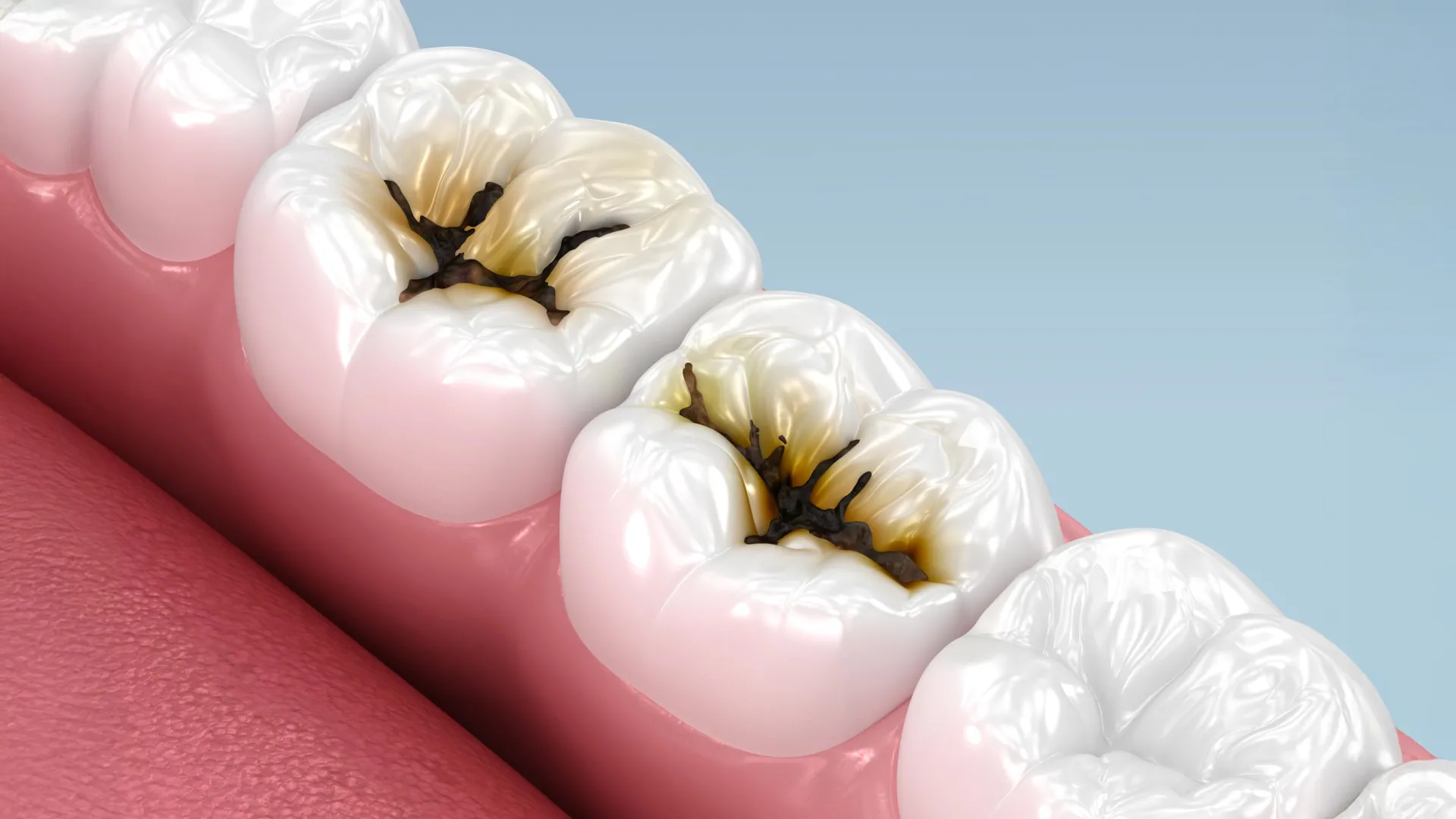
- Permanent Discoloration: The silver causes the soft, decayed section of the tooth to permanently turn black.
Despite the aesthetic drawback, lead investigator Dr. Margherita Fontana noted that the treatment offers a game-changing option for very young children, especially those facing long wait times or risks associated with sedation during surgical procedures.
"This is a very effective and safe treatment—even in children as young as 1. Reapplying it every few months may be all some children need until the baby tooth is lost naturally."
— Dr. Margherita Fontana, Lead Study Investigator, University of Michigan School of Dentistry.
Paving the Way for FDA Approval
The U.S. Food and Drug Administration (FDA) initially cleared SDF in 2014 as a Class II medical device to treat tooth sensitivity. Since then, dentists have used it "off-label" to halt tooth decay.
By providing large-scale efficacy data, this clinical trial supplies the evidence manufacturers need to seek formal FDA approval specifically for cavity treatment. Official approval is expected to expand insurance coverage, broaden public access through school-based programs, and lower dental care costs for underserved communities.