In Brief
- 17-year-old Nashua student developed an $1,800 brain-reading system to restore speech.
- The system can turn brain activity into speech at implant-like speeds without surgery.
- The device offers an affordable alternative to costly brain implants.
- The innovation may transform communication for those with speech impairments.
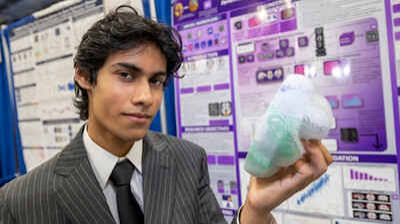
Ameya Kharade, a 17-year-old student from Nashua, has engineered an affordable brain-reading system costing approximately $1,800. This system converts brain activity into speech at speeds comparable to invasive brain implants, but without the need for surgical procedures.
The device functions by non-invasively interpreting neural signals and translating them into audible speech, potentially benefiting individuals with speech impairments or paralysis who rely on assistive technologies. Unlike traditional brain implants that require complex surgeries and cost significantly more, Kharade’s system leverages advanced algorithms and accessible hardware to deliver similar performance.
This breakthrough offers a promising alternative for restoring communication abilities in a safer, more cost-effective manner. Its development could accelerate accessibility to brain-machine interfaces and enhance quality of life for patients worldwide. As the technology advances, further research and clinical testing may refine its applications and integration, potentially influencing future innovations in medical devices and rehabilitation tools.
Kharade was named a 2026 winner of the Gloria Barron Prize for Young Heroes for this work.