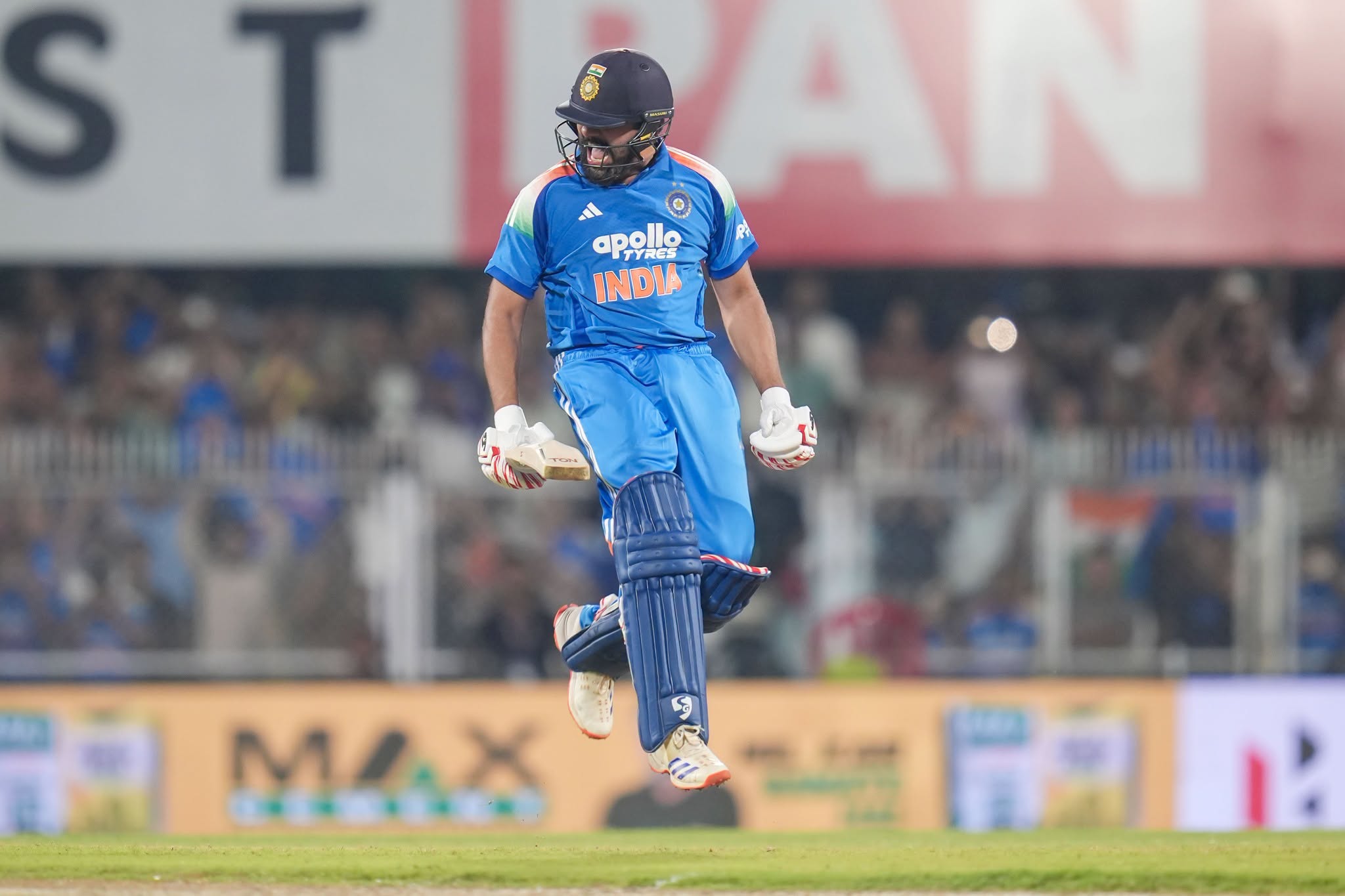
In the high-scoring second ODI against the West Indies at the Barsapara Cricket Stadium in Guwahati, Rohit Sharma carved another monumental chapter into cricket's history books. Coming into the match needing 73 runs to reach the landmark, the veteran opener crossed the milestone during a blistering knock, becoming only the seventh batter in One Day International history—and the third Indian after Sachin Tendulkar and Virat Kohli—to cross the 12,000-run threshold in ODI cricket.
What makes Rohit’s entry into the 12,000-run club so extraordinary is the staggering speed at which he achieved it. Having completely reinvented his career after moving to the top of the order in 2013, the 'Hitman' completed 12,000 runs in just 282 innings. That makes him the second-fastest player in ODI history to reach the mark, trailing only Virat Kohli (242 innings) and comfortably outpacing legends like Sachin Tendulkar (300 innings), Ricky Ponting (314 innings), and Kumar Sangakkara (336 innings). In terms of balls faced, Rohit was equally clinical, taking 12,973 balls—again second only to Kohli.
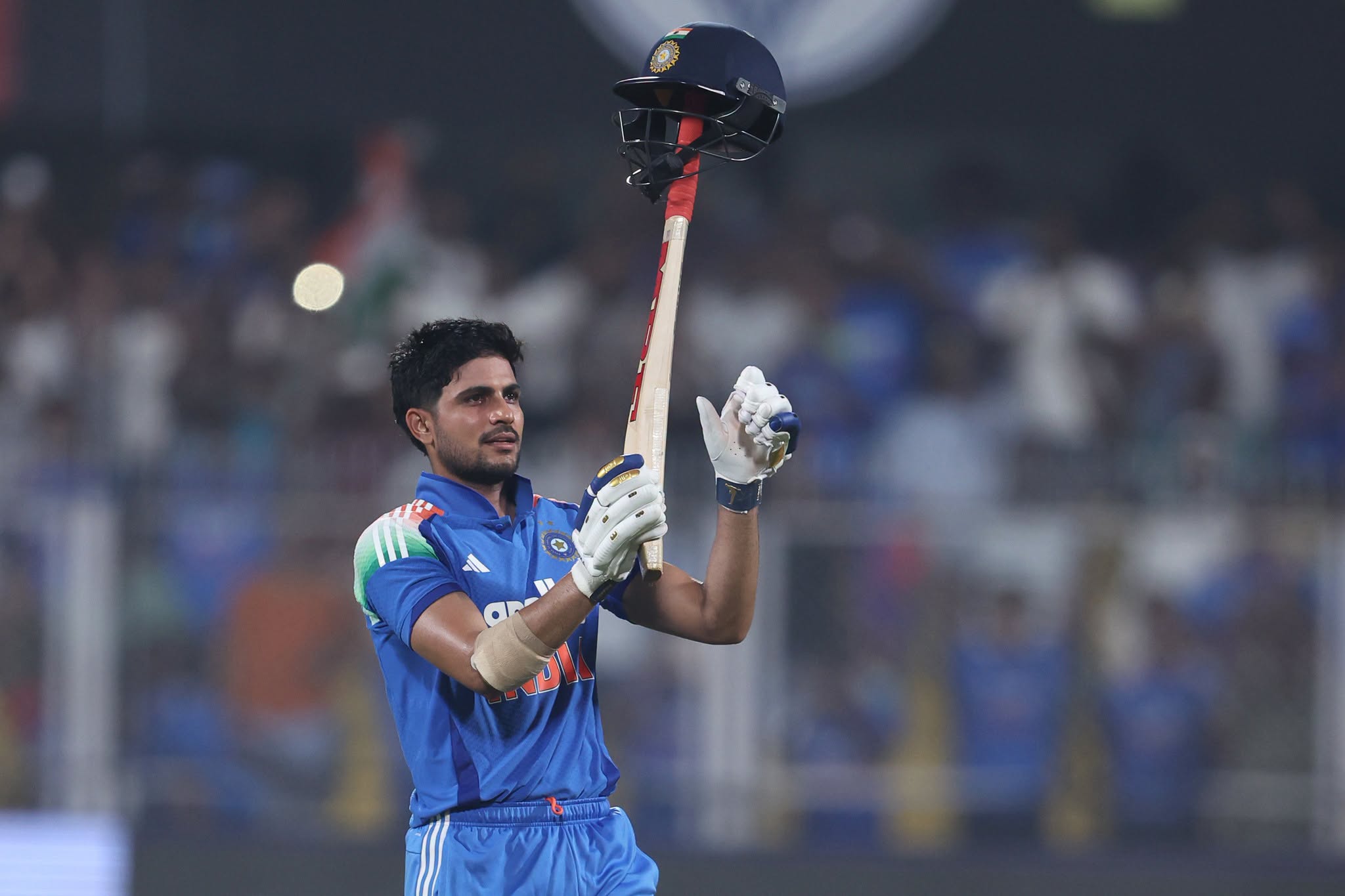
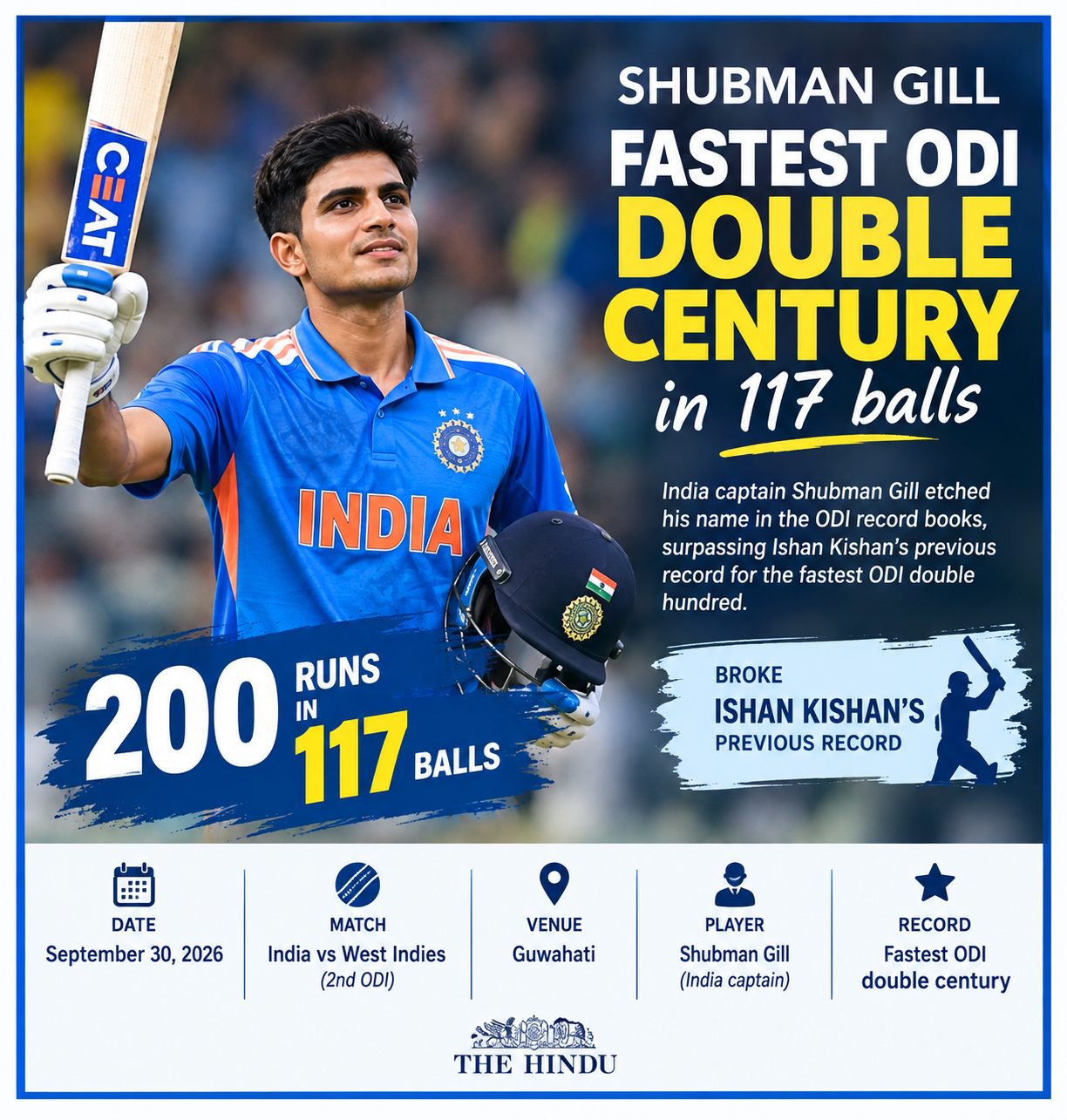
The venue and match context could not have been more fitting. In a high-stakes encounter where West Indies posted a massive 405/7, India launched a relentless pursuit. Rohit brought up his 12,000th run en route to a stellar 101, combining with Shubman Gill (223*) for a massive opening partnership that laid the foundation for a historic run chase.
Rohit’s journey to 12,000 runs highlights one of the most remarkable transformations in modern cricket. From a middle-order talent struggling for consistency in his early years to a generational opener, his white-ball career boasts unmatched peaks: he holds the world record for the highest individual ODI score (264), remains the only cricketer with three double-centuries in the format, and has accumulated 35 centuries and 62 half-centuries. Crossing 12,000 runs is more than a milestone of longevity; it is proof of an opener who redefined how limited-overs innings are constructed.