There is a song you have not thought about in years. And then one afternoon, in a shop, in a car, in someone else's ringtone, it finds you again. For three minutes you are fifteen, or twenty-two, or sitting in the back seat of your father's car on a road you had almost forgotten. That is not just sound. That is not just frequencies hitting a nerve. That is music doing the thing only music can do.
International Music Day has been marked on the first of October since 1975, when the violinist Yehudi Menuhin proposed it. Menuhin was not trying to create a festival for the talented. He wanted something simpler and harder: music in everyone's life. Not just in concert halls, but in schools, in villages, in homes where nobody has ever held an instrument. More than fifty years on, we have done well on one half of that promise. Anyone with a phone can hear almost anything ever recorded. A young producer in a small town can be heard on the other side of the world before lunch. But hearing music is not the same as living by it. And that is where this year's International Music Day asks us to look.
We know the voices. We rarely know the names behind them. Every song you have ever loved was made by more people than you think. The lyricist who stayed up worrying over one line. The session musician who played the same four bars forty times until it felt right. The sound engineer who heard something nobody else heard. The friend who said, " Try it again, you're almost there. And the singer, of course, whose face we know and whose voice we recognise in a second. But even they are standing on a great deal of quiet, unpaid, unglamorous work. This year's theme reminds us of something that should not need reminding: the people who make music deserve to be paid fairly for it. They deserve the freedom to create without fear. That is not a radical demand. It is the least we can offer to the people who give us the soundtrack of our own lives. Menuhin said it decades ago. Recognition and fair reward for artists. We are still saying it. That is the problem.
There is another kind of loss happening, and it is quieter. Somewhere right now, an old man or woman is singing a song that only a handful of people still know. A song their grandmother taught them. A song tied to a harvest, a wedding, a river, a season. When they are gone, unless someone has recorded it, sat with them, learned it, taught it to someone younger, the song goes with them. Not dramatically. Not with a headline. Just gone. We talk a lot about diversity in music. We share playlists from every corner of the world. But the music most at risk is rarely on those playlists. It is not in the charts. It has no marketing budget. It survives on memory alone, and memory is a fragile thing to build a future on. Keeping these songs alive is not about being sentimental. It is about refusing to let a whole way of understanding the world slip away because nobody was paying attention.
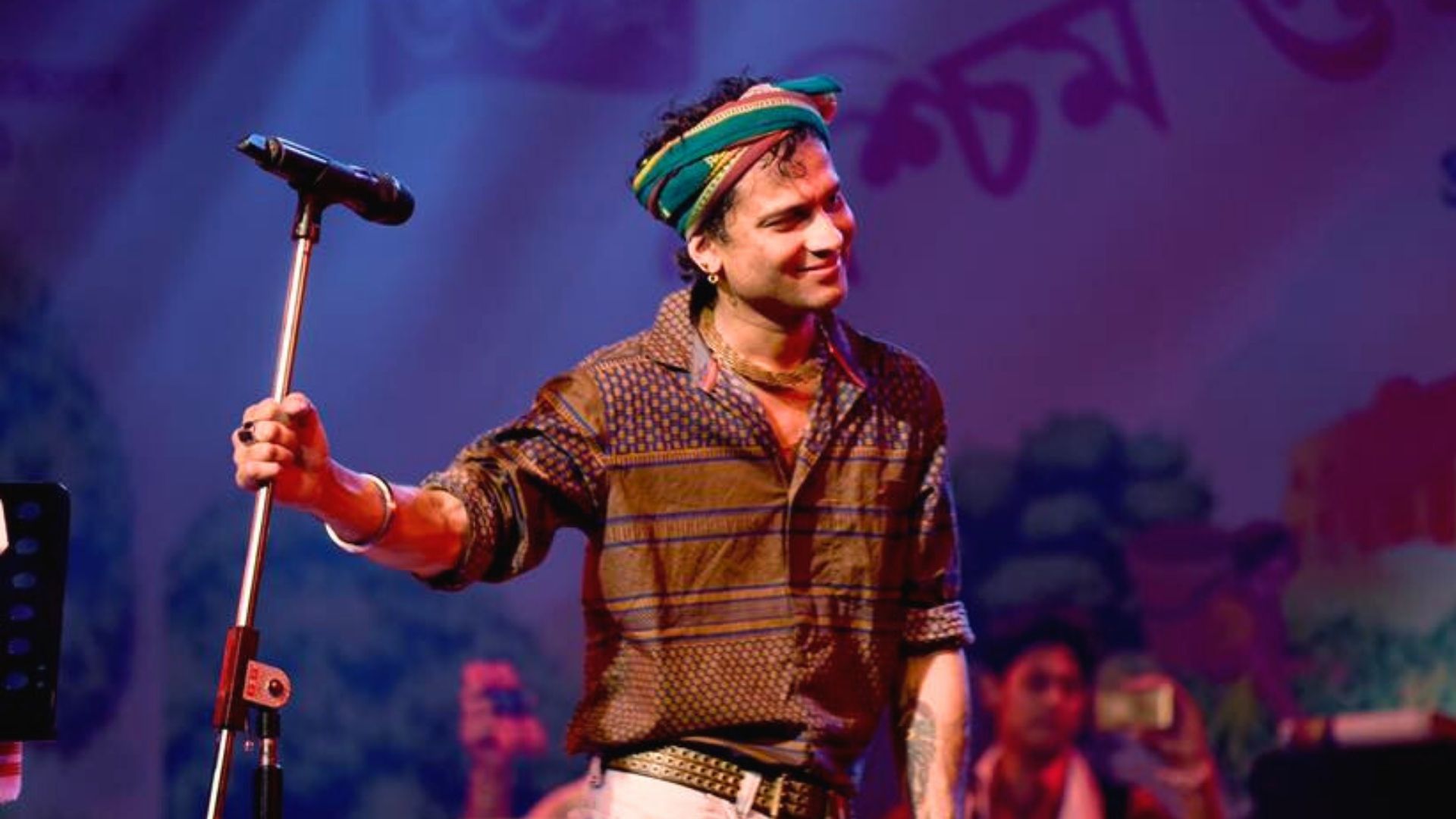
A frequency is a measurement. Music is something else. Music is the thing that plays at a funeral and says what nobody in the room can say out loud. It is the song a mother hums without thinking while she works. It is the anthem that makes a stadium of strangers feel like one person for a moment. It is the tune you and your friends sang badly at two in the morning and still cannot hear without smiling. When a whole state lost a singer and sang his song together, that was not acoustics. That was grief finding a shape. That was a million private memories suddenly discovering they were shared. You cannot measure that in hertz. You can only feel it.
So what do we do with this day? We could treat it as another date on the calendar. Post something, share a song, move on. Or we could use it to remember a few simple things. That the person whose voice you love has a life you do not see, and bills you do not pay. That the old song in your grandmother's language is worth recording before it is too late. That the teenager in your neighbourhood teaching himself to play is doing something that matters, even if it never earns him a rupee. That music is not background noise. It is memory, identity, comfort, protest, joy, sometimes all at once.
International Music Day is not really about music. It is about us. About what we choose to value, who we choose to support, and what we decide is worth passing on. The frequencies will always be there. They are just physics. It is everything we build on top of them that makes us human. And that is worth celebrating, properly, honestly, and with the people who make it possible.