In Brief
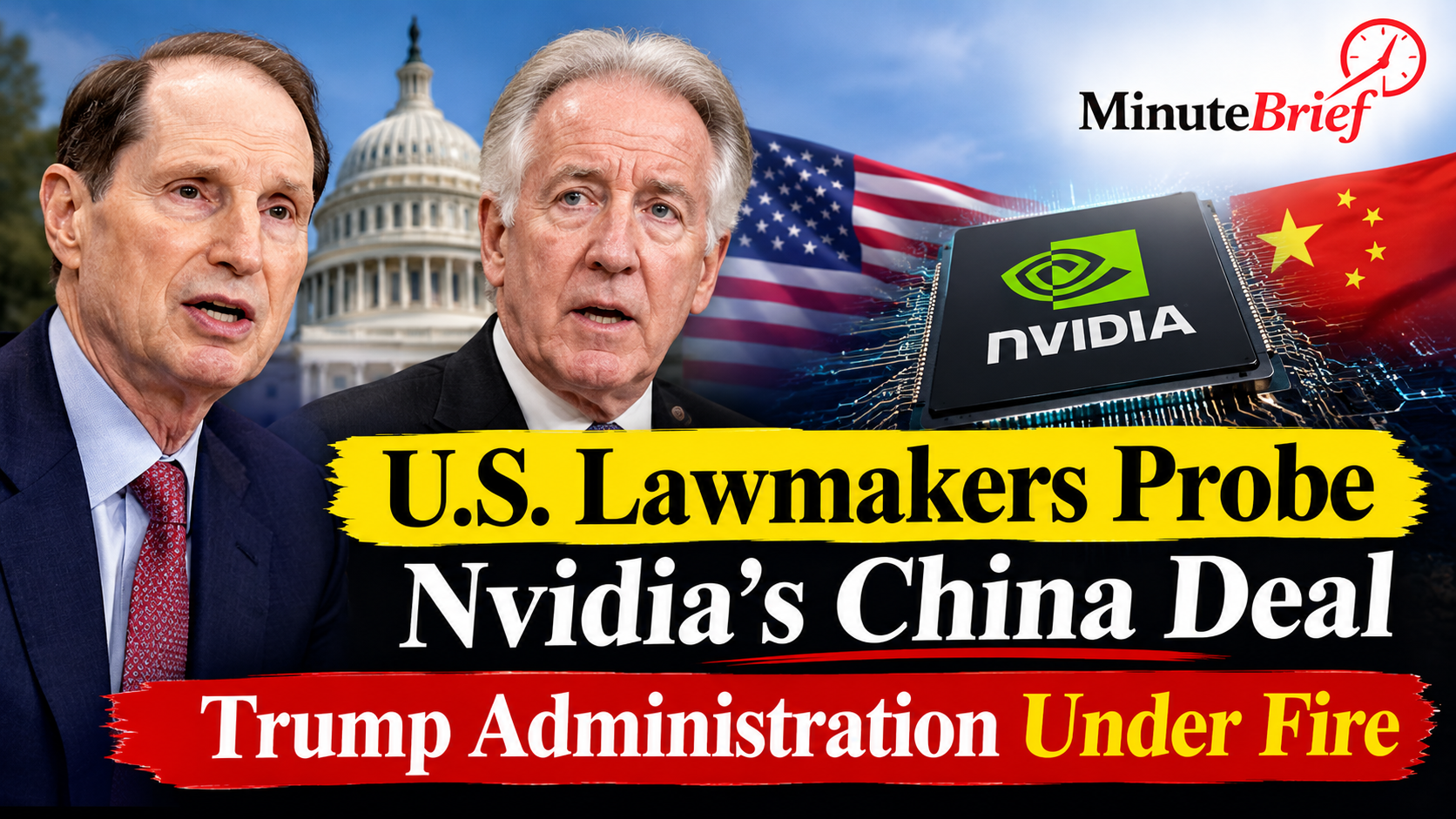
- Lawmakers Leading Probe: Senate Finance Committee ranking member Ron Wyden (D-Oregon) and House Ways and Means ranking member Richard Neal (D-Massachusetts) initiated the inquiry.
- Revenue-Sharing Mechanism: Lawmakers allege Taiwan-made Nvidia H200 chips were routed through the U.S. and subjected to a 25% Section 232 tariff before receiving export licenses for China.
- National Security Questions: The probe scrutinizes whether officials ignored intelligence warnings about former CEO Jensen Huang's reported relationship with an alleged Chinese intelligence asset, as well as chip sales to Singapore-based buyer Megaspeed.
- Political Contributions: The letter questions how at least $26 million directed by Nvidia and Huang toward Trump-backed projects factored into the export approvals.
Scrutiny Over Export Tariffs and Legal Authority
In their letter to Commerce Secretary Howard Lutnick, Senator Ron Wyden and Representative Richard Neal—who are positioned to chair their respective tax and trade committees in the incoming Congress—requested the immediate preservation of documents related to Nvidia’s export licenses and semiconductor import tariffs.
According to the lawmakers, the administration permitted Nvidia to sell its Taiwan-manufactured H200 AI chips to Chinese companies provided the hardware was first shipped to the United States, hit with a 25% tariff under Section 232 national security authority, and then granted an export license. Wyden and Neal stated that collecting a cut of Nvidia's sales revenue in this manner appears to function as an unconstitutional export tax system.
National Security and Political Influence Concerns
The congressional inquiry also focuses on due diligence in vetting foreign buyers and national security protocols. Citing press and intelligence reports, Wyden and Neal questioned why the Commerce Department approved purchases by Singapore-based firm Megaspeed—a customer suspected of diverting advanced chips to China—and why officials allegedly overlooked warnings regarding former Nvidia CEO Jensen Huang's relationship with Megaspeed executive Alice Huang, who U.S. intelligence reportedly identified as a Chinese intelligence operative.
Additionally, the lawmakers asked to what extent at least $26 million in contributions from Nvidia and Huang to President Trump's initiatives, including a proposed White House ballroom project, shaped the administration's export policy.
Broader Congressional Fallout
The Democratic probe coincides with wider bipartisan scrutiny on Capitol Hill following Jensen Huang's abrupt resignation on Thursday. House Foreign Affairs Committee Chairman Brian Mast (R-Florida) confirmed that Huang has tentatively agreed to appear for closed-door testimony before key House panels, including the Intelligence Committee and the Select Committee on Strategic Competition with China, while Senate Republican Leader John Thune indicated that significant Senate follow-up measures are expected.