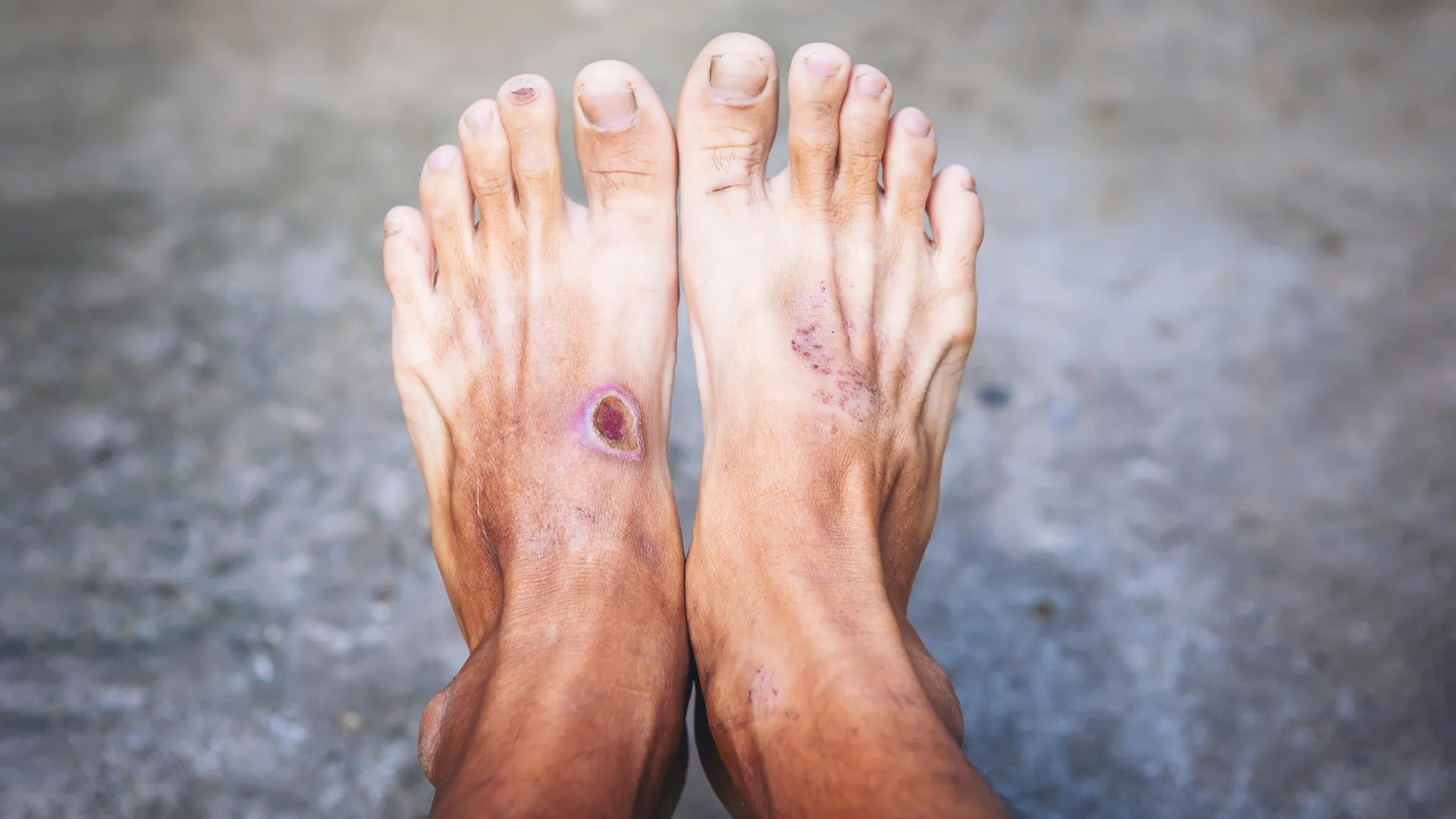
People with diabetes often experience wounds that take a long time to heal. A new scientific review suggests that an overactive immune system may be one of the main reasons.
How Does It Happen?
Normally, immune cells fight infections, remove damaged tissue, and then help the body repair the wound. In people with diabetes, this process can go wrong.
- Macrophages may remain in an inflammatory state instead of helping repair damaged tissue.
- Neutrophils can release harmful substances that damage healthy cells.
- Dendritic cells may become less effective at clearing dead cells.
- T cells may fail to provide enough signals to support skin repair.
Together, these problems can keep wounds inflamed and prevent them from healing properly.
Could This Lead to New Treatments?
Researchers believe that targeting specific immune cells could help reduce excessive inflammation and encourage tissue repair. Possible approaches include stem-cell-based therapies, advanced wound dressings, and treatments that help immune cells switch from inflammation to healing.
The timing of treatment may also be important because immune cells play different roles at different stages of wound healing.
What Does This Mean?
The findings suggest that diabetic wounds may not heal slowly simply because the body cannot repair itself. The immune system may also struggle to switch from fighting infection to rebuilding damaged tissue.
The goal of future treatments is to restore this balance, helping wounds heal faster and reducing the risk of serious complications.
However, more research is needed before many of these approaches become standard treatments. People with diabetes should seek prompt medical care for wounds that are slow to heal, especially on their feet.