In Brief
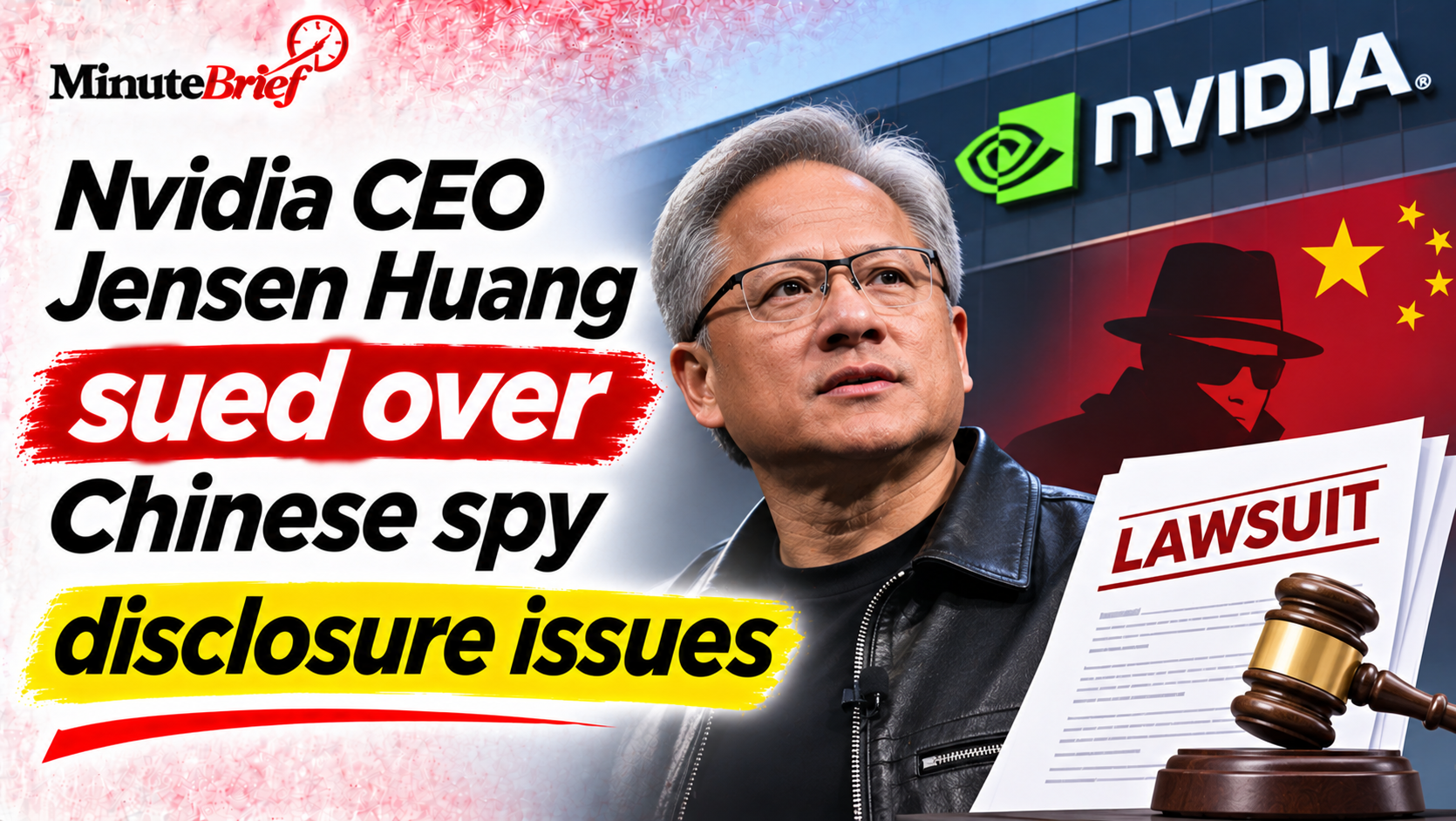
- Nvidia CEO Jensen Huang is sued for alleged disclosure failures about a suspected Chinese spy.
- The lawsuit concerns Huang’s communication with Nvidia employees over personal matters.
- The case highlights corporate disclosure responsibilities amid national security concerns.
- The lawsuit raises questions about transparency and governance in multinational tech firms.
What happened
Nvidia CEO Jensen Huang has been sued over the way he disclosed information connected to a suspected Chinese spy. The lawsuit accuses Huang of failing to properly disclose details about the individual, raising concerns about corporate transparency and national security implications. According to reports, Huang informed Nvidia employees that he had been unfaithful to his wife, but it is alleged that he did not share specific details concerning the alleged relationship tied to the suspected spy.
Background and context
The allegations come amid increased scrutiny of multinational technology companies and their ties to China. Governments worldwide have heightened vigilance on issues involving espionage and the protection of sensitive information. Nvidia, as a leading American semiconductor company, operates at the center of these concerns because of its dealings in advanced technology that may have national security implications.
Why it matters
This case throws light on corporate governance and disclosure practices at major tech firms operating globally. The manner in which companies and their leaders handle potentially compromising situations can affect investor confidence, regulatory relationships, and national security. The lawsuit prompts discussions about the responsibilities of CEOs in maintaining transparency while balancing personal privacy.