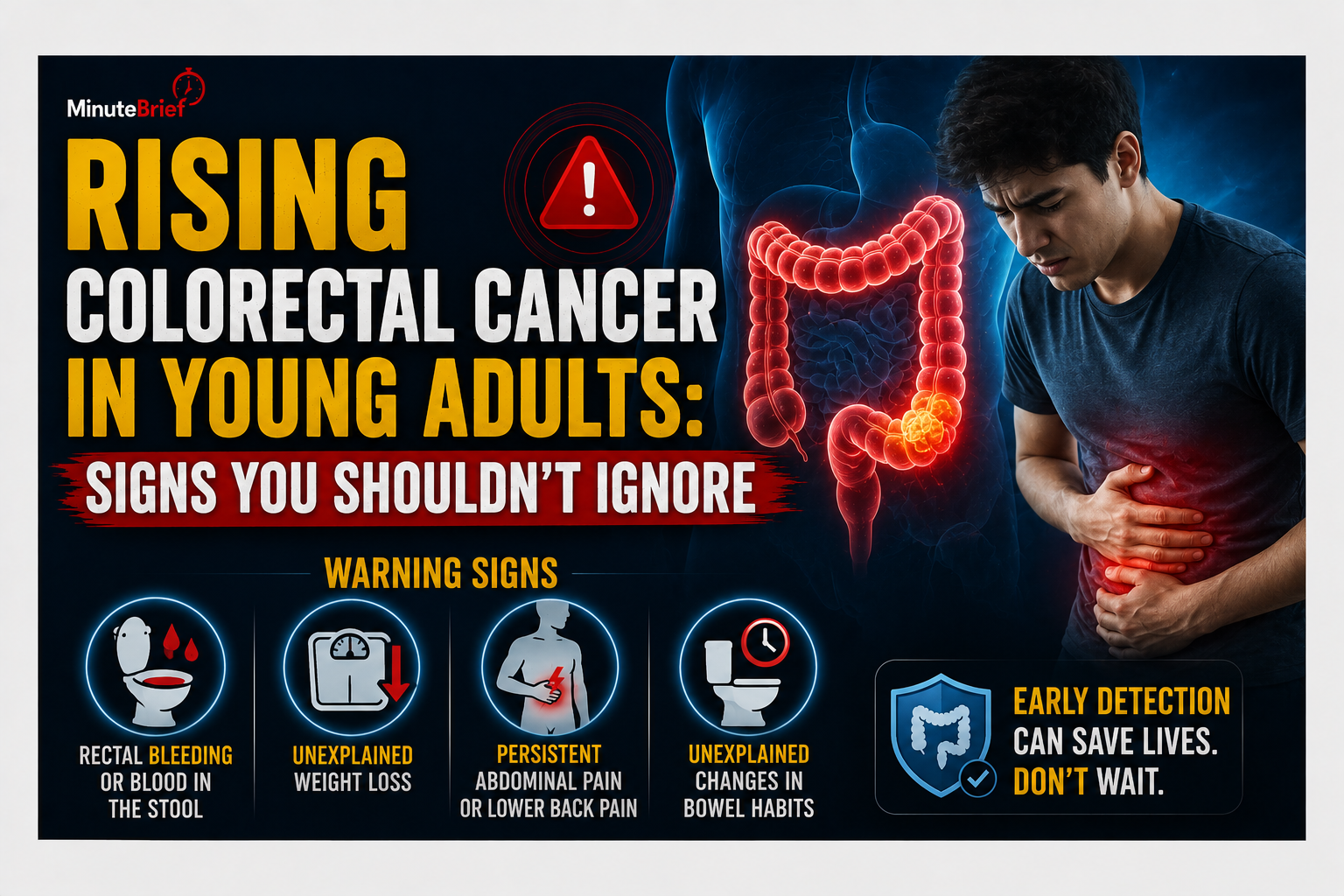
Colorectal cancer is increasingly affecting adolescents and young adults, with many cases being diagnosed at advanced stages, according to a study presented by the American Academy of Pediatrics. Researchers are warning that key warning signs should not be overlooked, even in younger age groups.
Key Findings from the Study
- Advanced Stage at Diagnosis: The study examined 84 patients aged 21 or younger diagnosed between 2012 and 2023. Most patients already had Stage III or Stage IV disease at the time of diagnosis.
- Low Family History: Only 20% of the young patients had a first- or second-degree family history of colorectal cancer, meaning a lack of family history does not rule out the disease.
- High Recurrence and Mortality: Over one-third of the study participants experienced cancer recurrence, and nearly half died as a result of their diagnosis.
- Aggressive Tumor Nature: Study author Dr. Erica Arnold noted that colorectal cancer in young adults often presents as an aggressive disease requiring tailored treatment approaches and close coordination between pediatric and adult medical specialists.
Warning Symptoms to Watch For
Because colorectal cancer is historically uncommon in younger people, symptoms can easily be mistaken for less severe conditions. Medical experts advise seeking evaluation if you or someone you know experiences:
- Rectal bleeding or blood in the stool
- Unexplained weight loss
- Persistent abdominal pain or lower back pain
- Unexplained changes in bowel habits
Early detection plays a crucial role in improving treatment outcomes and survival rates.