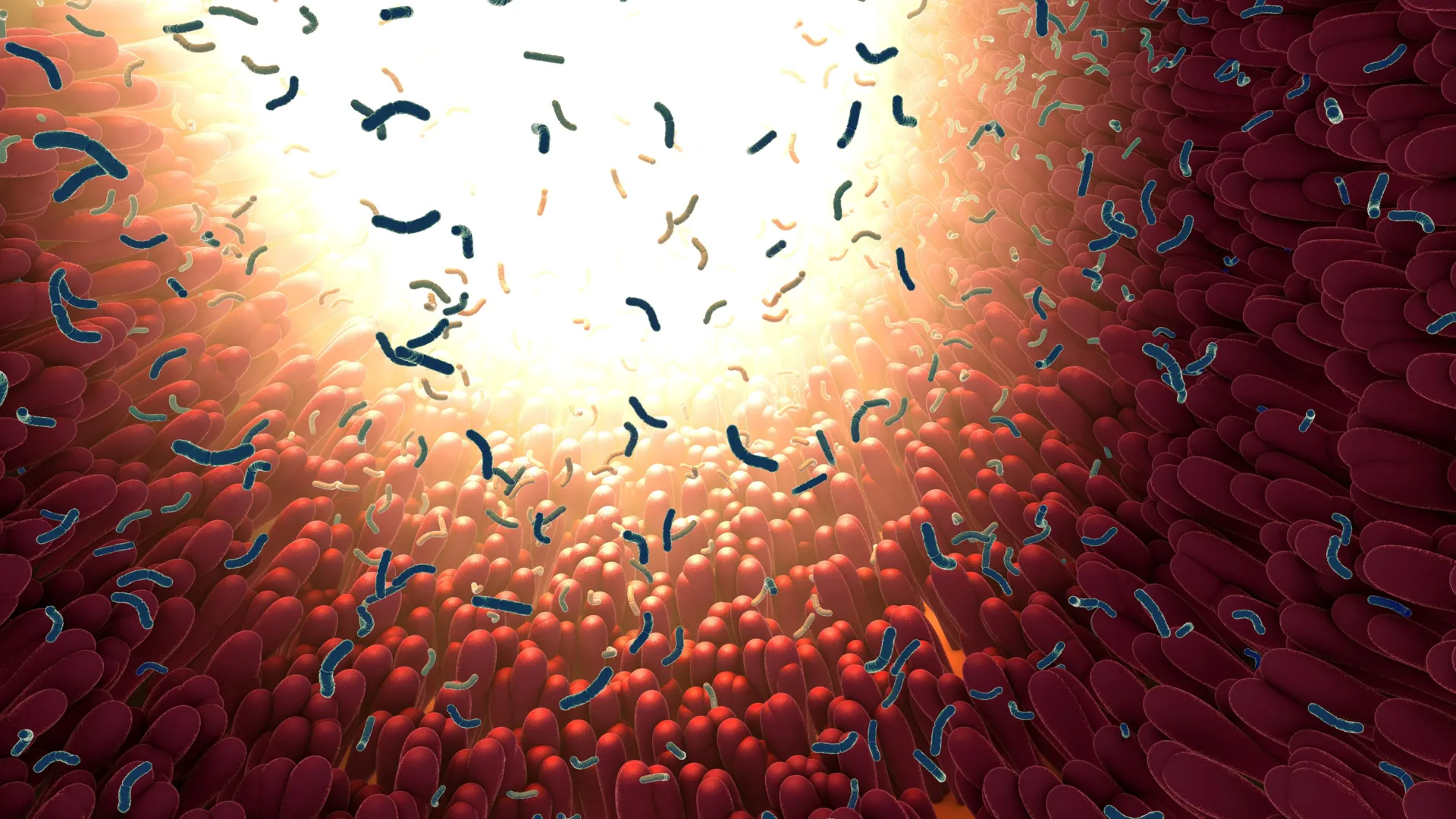
A study published in Cell Reports reveals that supercentenarians—people living past 110—may owe their longevity to an immune system that actively adapts in extreme old age. Researchers found these individuals possess remarkably high levels of rare immune cells called CD4 cytotoxic T lymphocytes (CD4 CTLs).
- Cell Surge at Age 100: CD4 CTL levels steadily rise with age, jumping from 4% in adults under 100 to 17.6% in supercentenarians.
- Active Defenses: These cells destroy abnormal cells and clone themselves when fighting threats. In supercentenarians, researchers found large clusters of identical clones, suggesting the immune system actively combats ongoing health challenges.
- Targeting Cancer Sequences: Receptor sequences from these dominant clones matched those found in lung, breast, and liver cancer patients. Since none of the centenarians had these cancers, the cells may proactively eliminate pre-cancerous targets.
A New View on Aging
First author Kosuke Hashimoto of the University of Osaka notes that immune aging isn't just decline—the body selectively expands key defenses to adapt to age-related threats. While researchers are still studying how these cells function in tissues, the findings suggest adaptive immunity plays a vital role in extreme longevity.
Source: Science Daily