The James Webb Space Telescope (JWST) has uncovered strong evidence of an atmosphere surrounding HD 3167 b, a scorching, rocky super-Earth located 154 light-years away in the constellation Pisces.
The finding—published in The Astrophysical Journal Letters by a research team led by University of Chicago scientist Brandon Park Coy—surprised astronomers because planets orbiting extremely close to their stars usually lose their atmospheres to intense heat and radiation.
Key Highlights
- Extreme Conditions: HD 3167 b completes an orbit around its host star in just 24 hours. Its star-facing side is hot enough to melt rock, turning its surface into a magma ocean.
- How It Was Found: Researchers used the secondary eclipse method, measuring mid-infrared light as the planet passed behind its star. Because the planet was cooler than expected, scientists concluded an atmosphere (or cloud layer) is reflecting radiation and redistributing heat away from its dayside.
- Composition Clues: While atmospheres on ultra-hot planets were previously thought to consist entirely of vaporized rock, scientists suspect HD 3167 b may harbor heavier gases such as carbon dioxide, carbon monoxide, or water vapor.
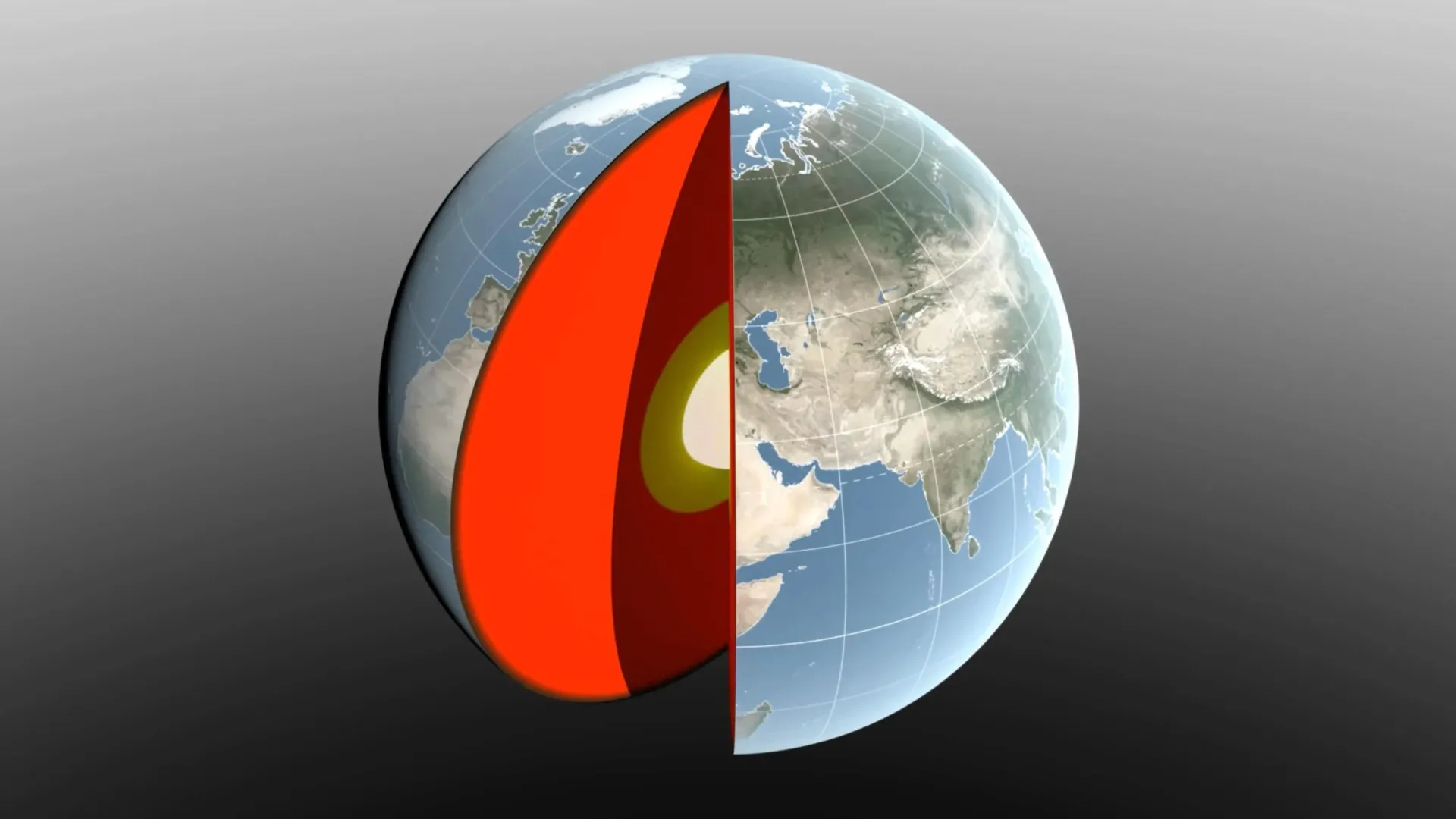
- Window into Early Earth: Early in our solar system's history, collisions left the young Earth molten. Studying lava worlds like HD 3167 b gives scientists a rare glimpse into the magma-ocean phase Earth went through during its first few million years.
Why It Matters
Finding atmospheres on rocky exoplanets is critical to the search for habitable worlds. While HD 3167 b itself is far too hot for life, it is the coolest lava world found so far with an atmosphere. This discovery helps researchers identify the exact temperature threshold at which rocky planets can hold onto gas layers—a crucial piece in understanding how terrestrial worlds evolve.