Instead of wiping out oral bacteria with broad-spectrum antibiotics, researchers at the University of Minnesota have discovered a way to interrupt how bacteria communicate—shifting the mouth’s microbial balance back toward a healthy state.
The Problem with Traditional Treatments
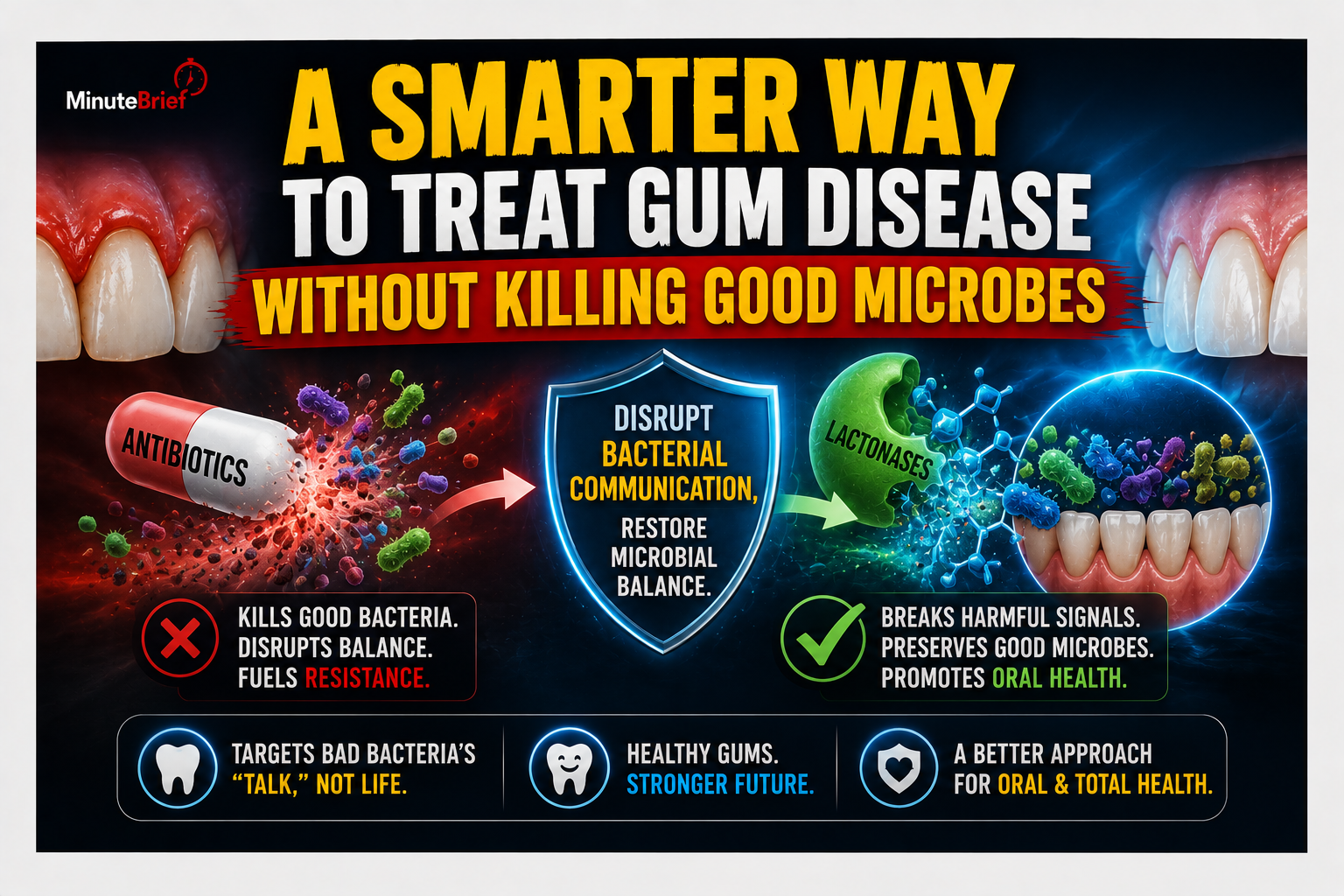
The mouth hosts around 700 species of bacteria, many of which protect oral health. Traditional treatments often act like carpet bombs, killing good bacteria alongside harmful ones. This disrupts the oral microbiome and increases the risk of antibiotic resistance.
How Bacterial Communication Works
Bacteria coordinate through quorum sensing, using chemical signals called N-acyl homoserine lactones (AHLs) to communicate:
- Above the gumline (aerobic): Disrupting AHL signals helps beneficial pioneer species (like Streptococcus) maintain control.
- Below the gumline (anaerobic): High signal levels allow disease-causing late colonizers (like Porphyromonas gingivalis) to thrive and drive periodontal disease.
Strategic Microbiome Management
By deploying specialized enzymes called lactonases to break down AHL molecules, researchers successfully interrupted bacterial messaging in lab testing. This kept dental plaque in an early, healthy stage rather than allowing it to mature into a harmful, disease-causing ecosystem.
Rather than "waging war" on oral microbes, this approach offers a targeted strategy to manage the microbiome—one that could eventually inform treatments for other body-wide conditions linked to microbial imbalances.