In Brief
- Gamma-delta T cells can recognize and kill aggressive small cell lung cancer cells that typically hide from mainstream T cells.
- Small cell lung cancer often evades standard immunotherapies by shedding recognition markers, but this specialized immune pathway bypasses that stealth mechanism.
- Researchers found that combining these specialized immune cells with existing medications, such as zoledronate and tarlatamab, significantly boosts their tumor-destroying capabilities.
Bypassing Cancer's Stealth Mechanisms
Researchers at Australia's Walter and Eliza Hall Institute (WEHI) have identified a previously overlooked immune defense mechanism capable of targeting small cell lung cancer (SCLC)—one of the most aggressive and deadly forms of cancer.
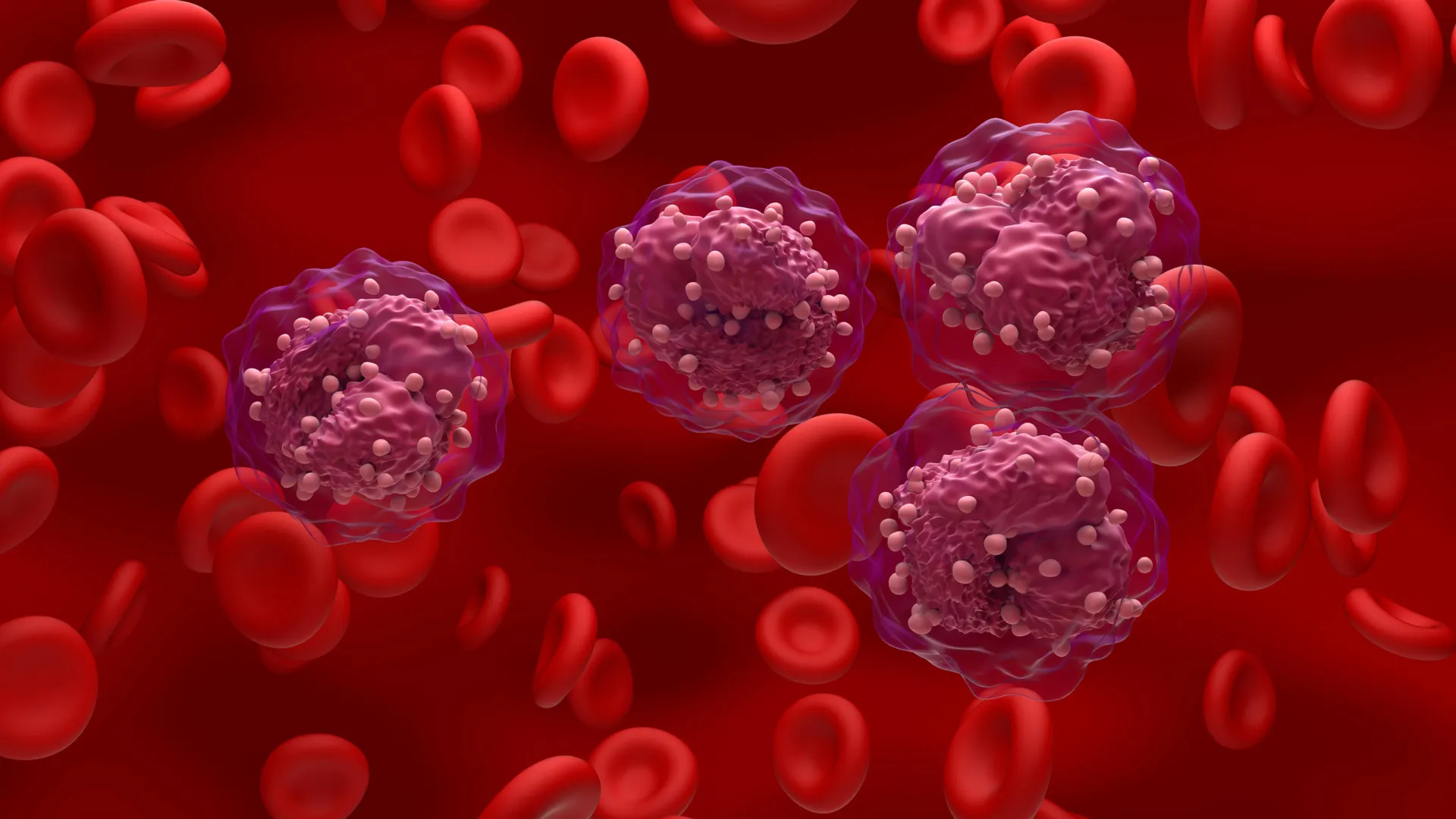
SCLC accounts for about 15% of all lung cancer cases and is notorious for its rapid growth, early metastasis, and high resistance to conventional treatments. A major challenge in treating SCLC is its ability to "hide" from the body's primary immune defenses by reducing surface markers (such as MHC class I molecules) that conventional CD8+ T cells rely on to recognize cancer cells.
The Role of Gamma-Delta T Cells
The study revealed that specialized immune cells known as gamma-delta T cells do not depend on traditional surface markers to identify threats. Instead, these specialized lymphocytes monitor cellular stress signals and metabolic changes inside malignant cells.
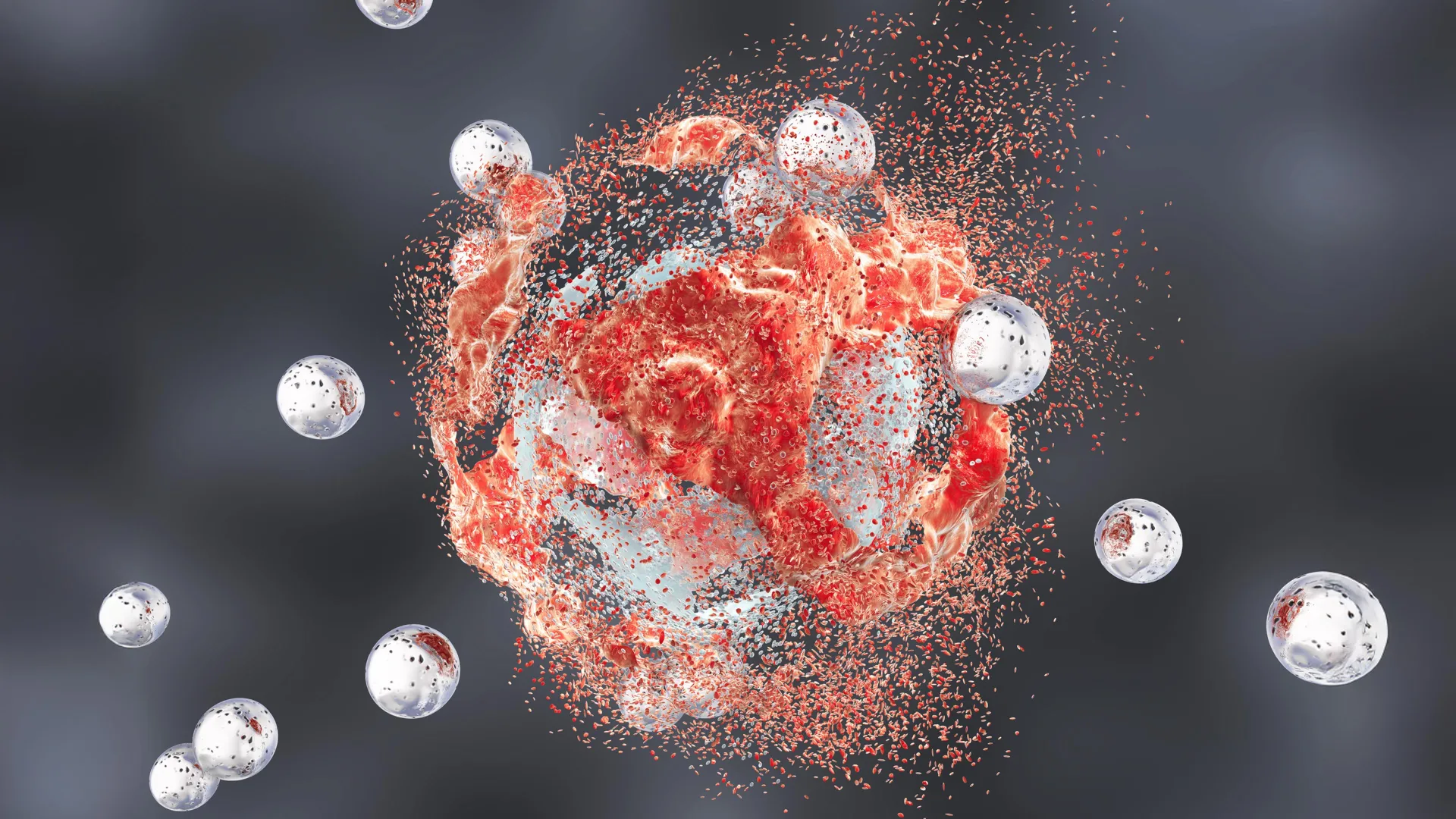
This unique surveillance mechanism allows gamma-delta T cells to pinpoint and destroy small cell lung cancer cells even after the tumors have disguised themselves from the rest of the immune system.
Amplifying Treatment Efficacy with Existing Medications
In addition to uncovering this hidden immune pathway, the research team demonstrated that existing therapeutic drugs can significantly enhance the anti-tumor activity of gamma-delta T cells:
- Zoledronate: Increases the overall pool of active gamma-delta T cells and improves their ability to identify lung cancer cells.
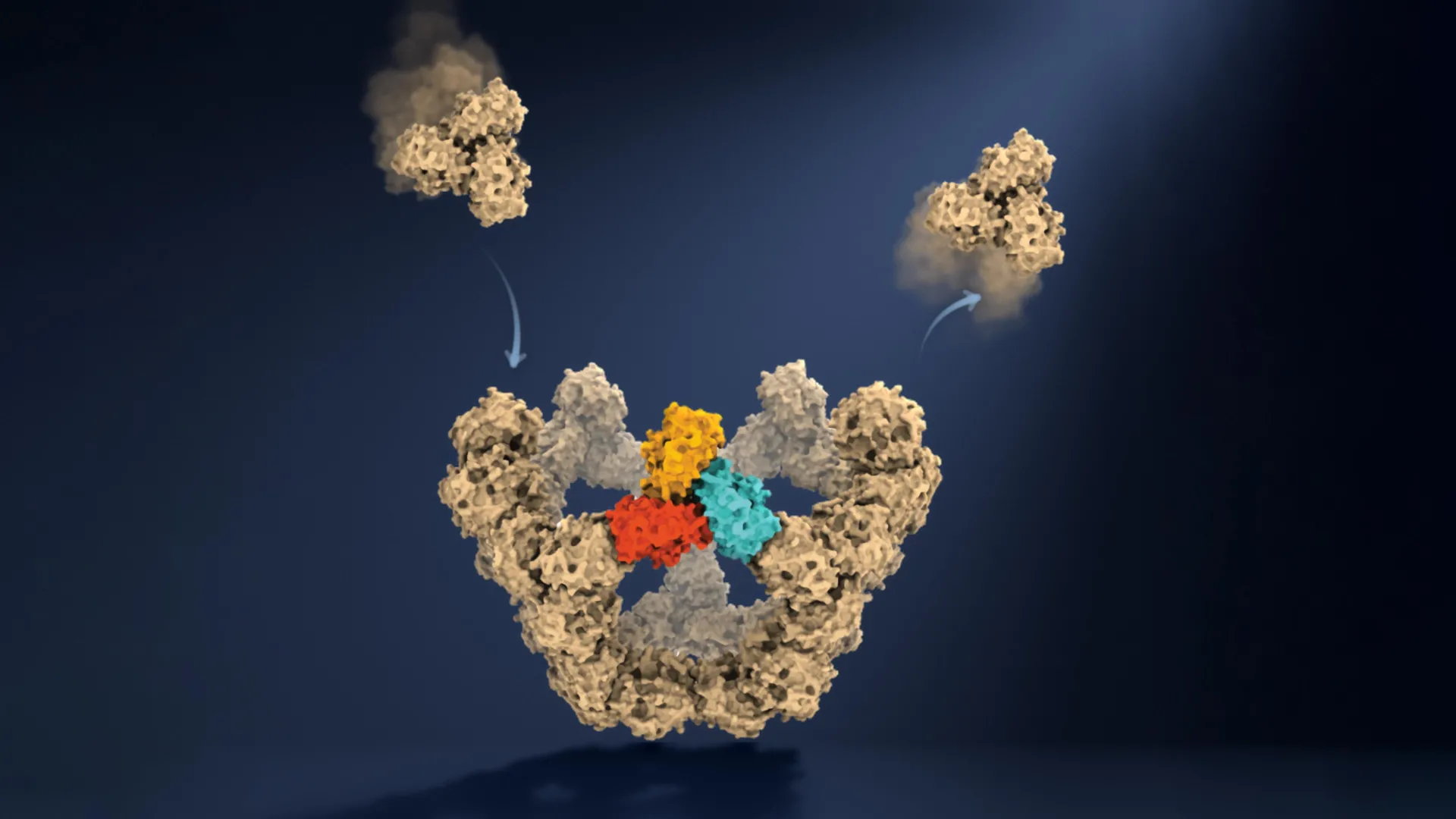
- Tarlatamab: Functions as a bispecific antibody to physically draw gamma-delta T cells into direct contact with the cancer cells, accelerating the immune attack.