In Brief
- Patients receiving 1,000mg of oral vitamin C daily experienced significantly fewer adverse events and demonstrated a notable survival advantage over three years of follow-up compared to placebo.
- Vitamin C acts as an essential cofactor for the TET2enzyme—a key epigenetic regulator often mutated in blood cancers that stops abnormal cell growth.
- Over half of the study participants were severely vitamin C deficient at baseline; oral supplementation effectively normalized these levels in bone marrow stem cells.
A landmark double-blind, randomized Phase 2 clinical trial—the EVITA trial—has found that daily oral vitamin C supplementation may reduce adverse events and offer a unexpected overall survival advantage for individuals diagnosed with precancerous blood conditions and early-stage blood cancers.
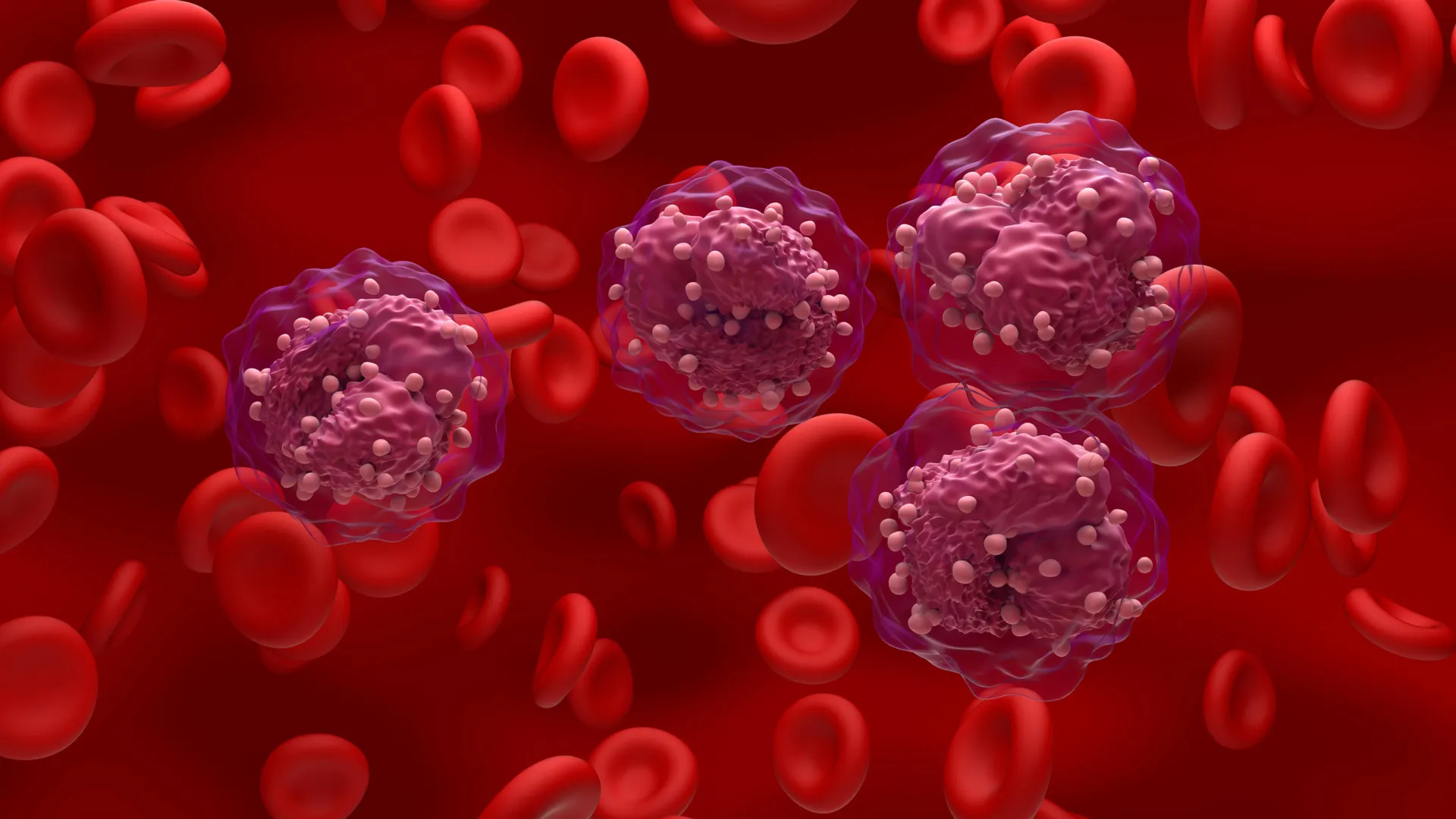
Published in the journal Cancer, the study evaluated $109$ patients suffering from clonal cytopenia of undetermined significance (CCUS) or lower-risk myelodysplastic syndromes (MDS)—conditions that frequently progress to acute myeloid leukemia (AML).
Restoring a Critical Epigenetic Mechanism
The biological rationale behind the trial centers on how vitamin C interacts with bone marrow stem cells. Vitamin C serves as a crucial cofactor for the TET2 enzyme, a key epigenetic regulator that suppresses tumor growth. Mutations in TET2 are frequently observed in precancerous blood cell clones and myeloid leukemias.
Prior research revealed that over 50% of patients with hematological malignancies suffer from severe vitamin C deficiency. By administering an oral dose of 1,000mg daily—10 times the standard dietary allowance—researchers successfully saturated bone marrow stem cells, elevating vitamin C concentrations back to normal physiological levels.
Survival Signal and Reduced Complications
Over a three-year follow-up period, participants who received the daily vitamin C supplement showed higher overall survival rates and experienced significantly fewer adverse medical events than those in the placebo group."Vitamin C is a powerful epigenetic drug, which is not generally realized," noted co-corresponding author Dr. Peter A. Jones of the Van Andel Institute. While the supplement did not drastically change the overall growth rate of abnormal blood cell clones, researchers hypothesize that restoring vitamin C alters the surrounding microenvironment and dampens inflammatory pathways that typically drive disease progression.
Next Steps for Clinical Practice
Although the findings provide a compelling case for a non-toxic, inexpensive supportive strategy, lead researchers emphasize that these results come from exploratory secondary analyses.
Clinicians caution against changing standard care immediately, advising that larger Phase 3 clinical trials are still required before vitamin C can be officially recommended as a routine treatment for pre-leukemia. Further research is ongoing to pinpoint precisely how vitamin C modulates immune signaling and bone marrow inflammation.