In Brief
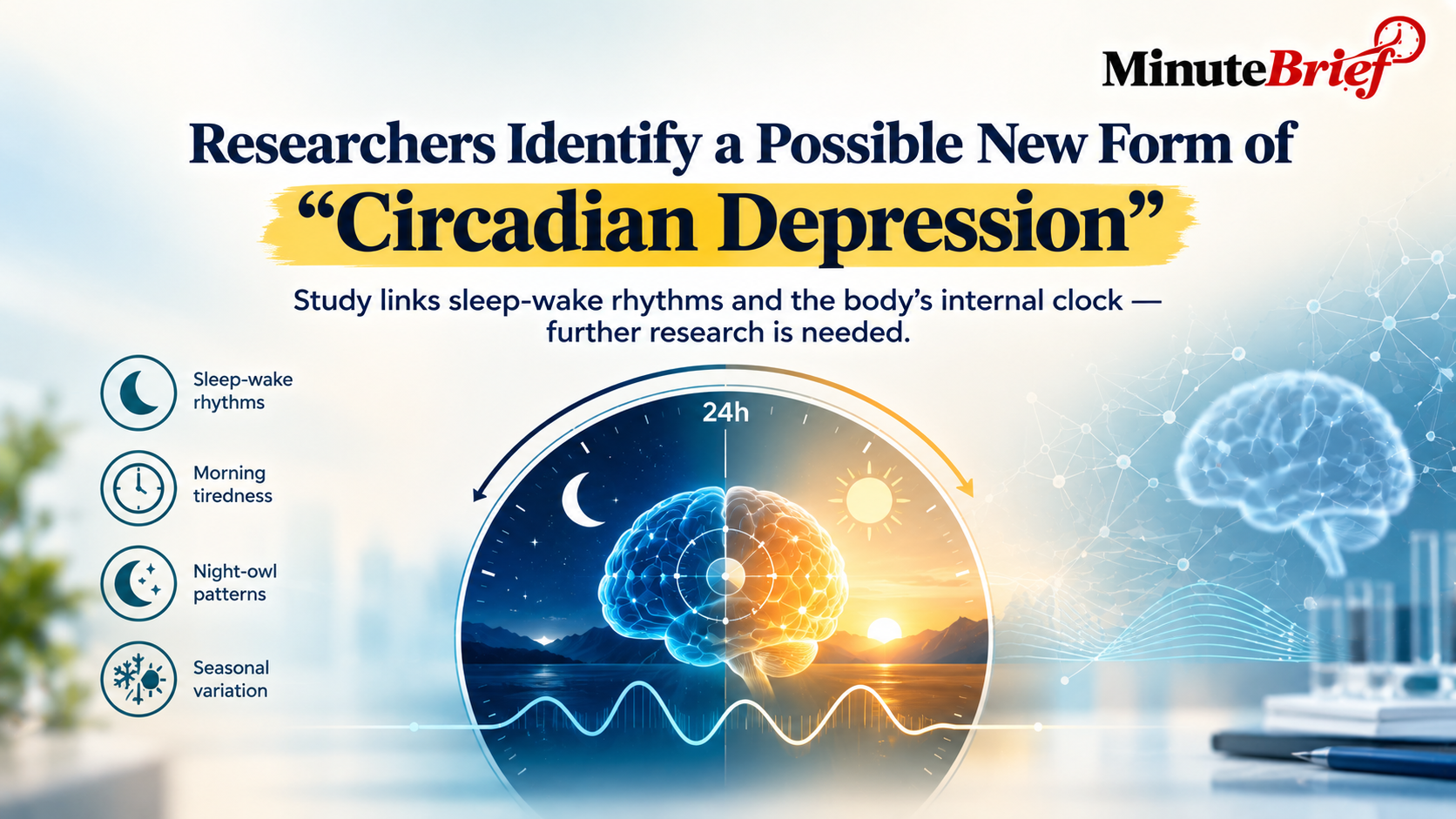
- Symptoms associated with this subtype include seasonal illness patterns, sleeping longer during depressive episodes, waking up exhausted, and a tendency to stay up late as "night owls".
- The study found that standard antidepressants such as SSRIs (selective serotonin reuptake inhibitors) or SNRIs are often less effective in treating this specific form of depression.
- Researchers estimate that this circadian subtype affects roughly a quarter of individuals dealing with severe, persistent, or recurrent forms of depression.
Exploring the Internal Clock Connection
A comprehensive clinical and genetic study published in the British Journal of Psychiatry sheds light on how disruptions in the human body's 24-hour biological clock can manifest as a distinct clinical condition. Unlike standard major depressive disorder presentations, the newly classified "circadian depression" presents unique behavioral and biological traits tied to sleep timing, morning sleepiness, and seasonal mood changes.
According to the researchers, patients exhibiting these characteristics often experience "social jet lag" and irregular sleep phases. Data further indicates that this subtype is frequently observed among younger demographics and is more resistant to conventional serotonin-based pharmaceutical treatments.
Alternative Therapeutic Approaches
Because standard medications like SSRIs show lower efficacy for this group, experts suggest that alternative treatments targeting the body's circadian circuitry—such as light therapy, melatonin regulation, and specialized behavioral interventions—could offer more promising results for patients. Medical professionals emphasize that recognizing these distinct subtypes allows for more personalized and effective mental health care plans.