In Brief
- Researchers examined ten healthy dietary patterns and found that benefits are not tied to a single "ideal" diet; various healthy eating styles slow biological aging.
- Effective diets included well-known approaches such as the Mediterranean diet, the Nordic diet, the DASH blood-pressure-lowering plan, and plant-based diets.
- The study assessed how overall nutritional quality impacts cellular and molecular aging markers, proving that flexibility in healthy eating still yields concrete health gains.
A comprehensive new study by the German Center for Neurodegenerative Diseases (DZNE) shows that healthy eating is closely linked to slower biological aging—and that individuals have multiple valid dietary paths to achieve these benefits.
The research team analyzed data regarding ten distinct dietary patterns widely recognized as healthy. Published in the journal Nature Communications, the findings demonstrate that sticking to structured, nutrient-dense nutrition significantly preserves cellular health over time.
Diverse Diets, Shared Benefits
Rather than prescribing a single restrictive nutritional plan, the DZNE study highlights the versatility of healthy eating. Among the ten evaluated dietary patterns were:
- The Mediterranean Diet: Rich in olive oil, fish, fresh produce, and whole grains.
- The Nordic Diet: Emphasizing local berries, root vegetables, fish, and whole-grain rye.
- The DASH Diet: Specifically designed to help lower blood pressure through low-sodium, nutrient-rich foods.
- Plant-Based Diets: Focused heavily on vegetables, legumes, fruits, and nuts while minimizing processed items.
Despite their different regional and cultural origins, all ten dietary styles showed a positive correlation with reduced markers of biological aging.
Why It Matters
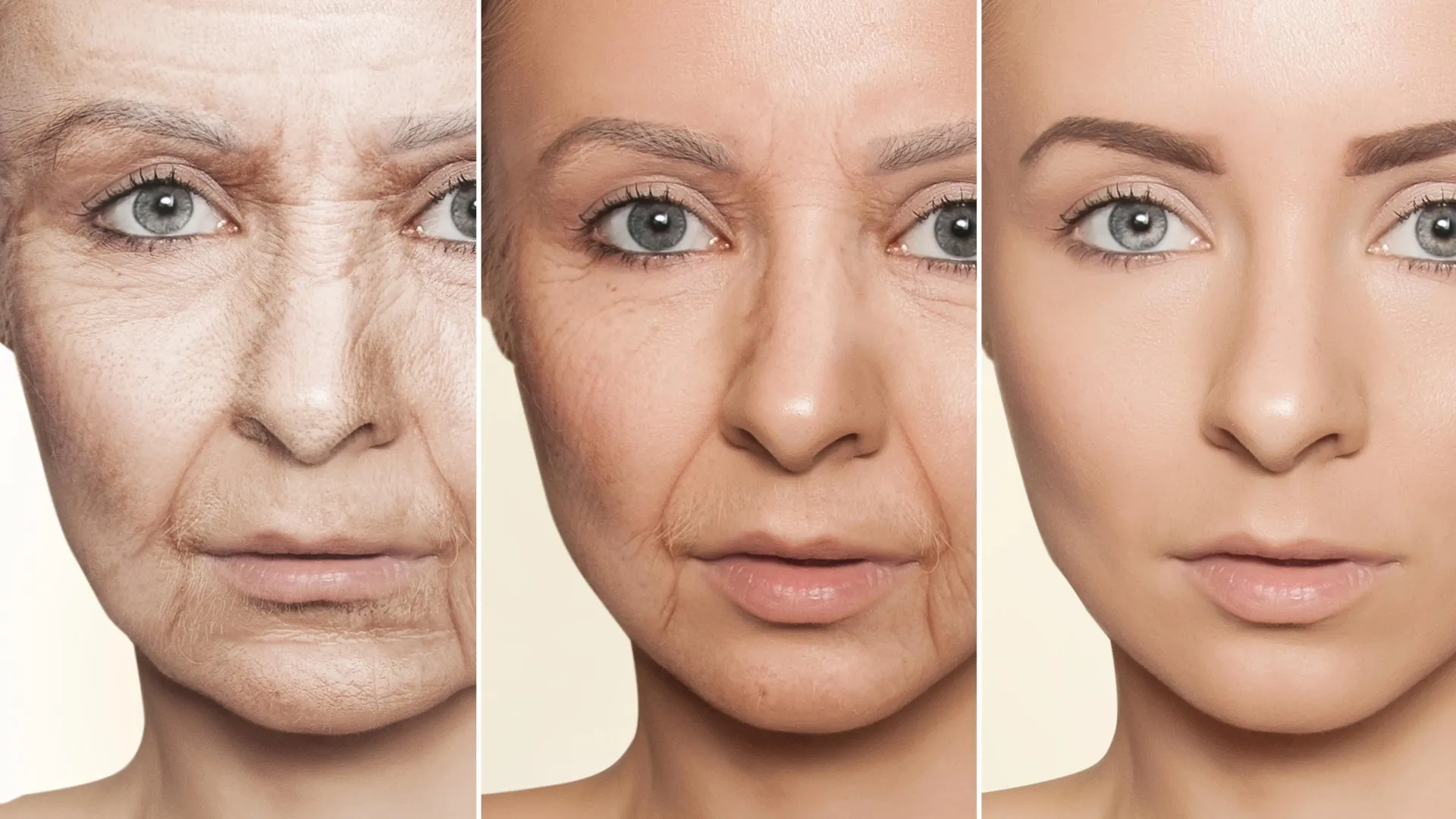
Biological aging measures the functional decline of cells and tissues, which can outpace chronological age based on lifestyle, genetics, and environment. These findings offer practical flexibility for the public, suggesting that individuals can tailor their diets to personal preferences and cultural availability without sacrificing longevity benefits.
What Happens Next
As researchers continue to explore the precise biochemical mechanisms linking specific nutrient groups to cellular preservation, public health experts expect dietary guidelines to increasingly emphasize overall dietary quality and flexibility over rigid single-diet mandates.