In Brief
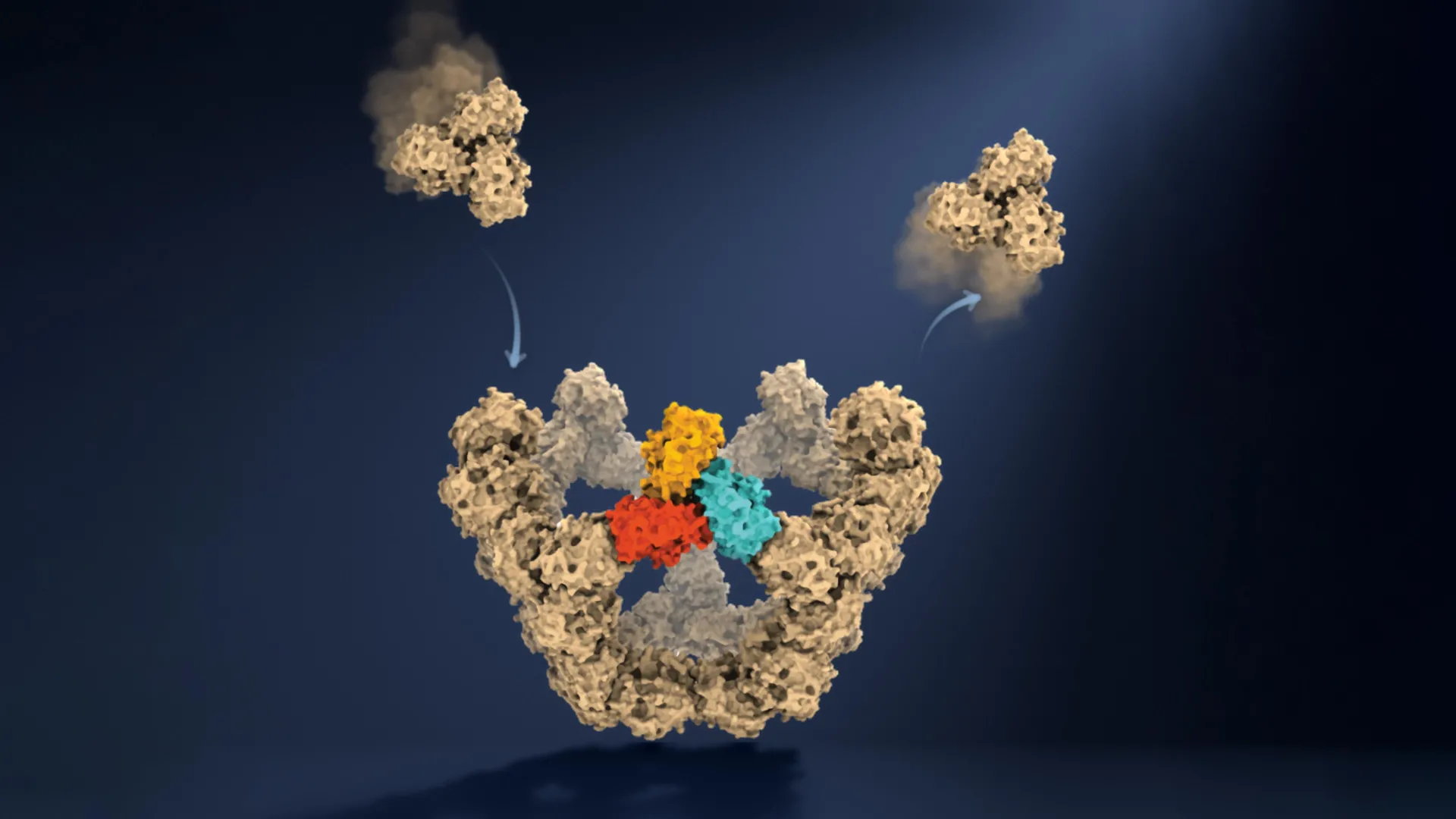
- Using advanced single-molecule approaches, researchers watched protein components navigate countless arrangements to construct stable structural shells.
- The study demonstrates how a simple mechanism of weak, reversible interactions guides the building blocks through various pathways before achieving structural precision.
- Identifying this key assembly turning point could pave the way for novel antiviral treatments and advanced vaccine platforms.
Unlocking the Mechanics of Viral Self-Assembly
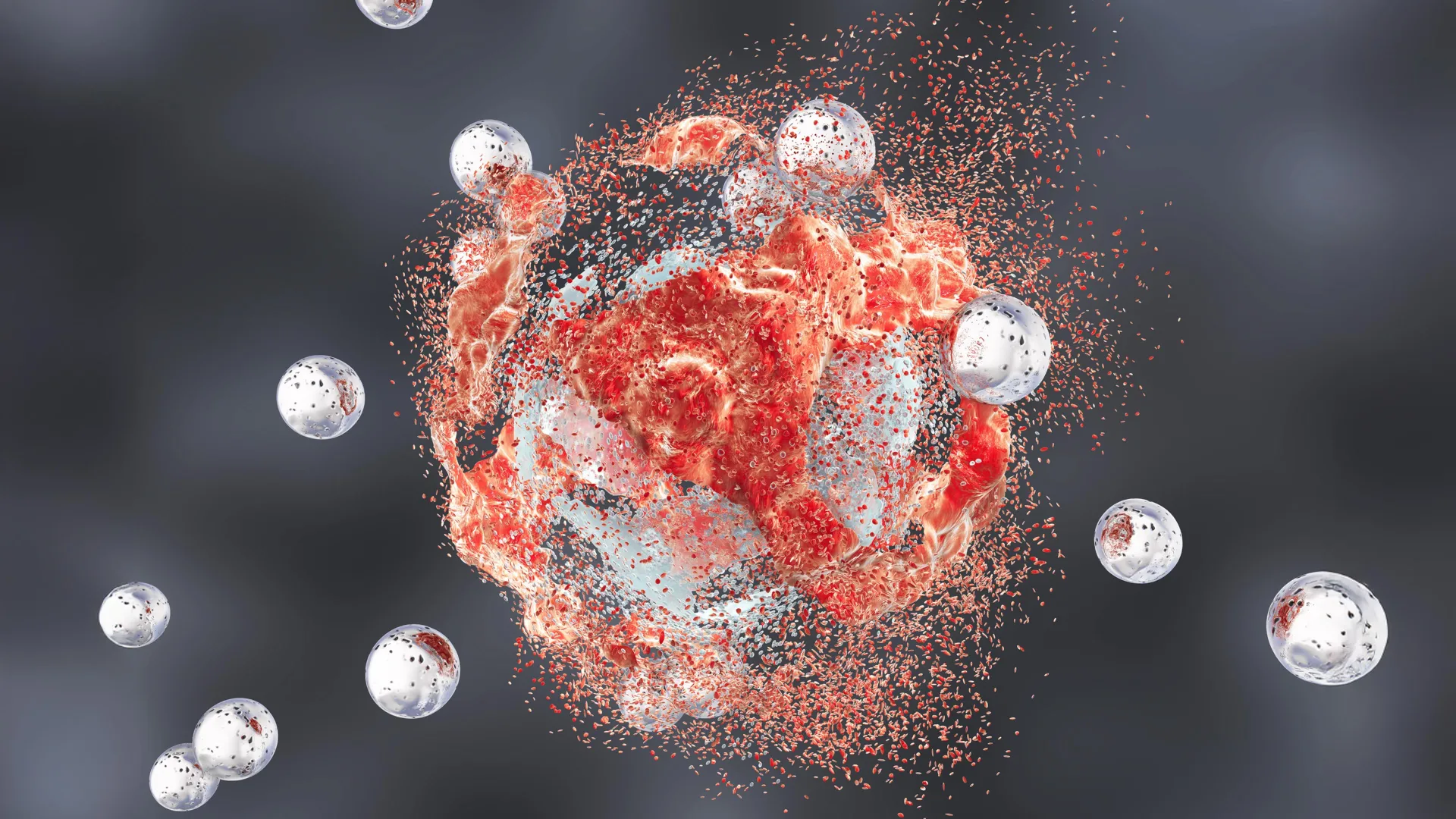
For decades, the exact pathways by which viruses construct their protective protein shells—known as capsids—without a central blueprint remained largely hidden behind technical limitations. A breakthrough study conducted by researchers at the University of Oxford has now exposed these fleeting intermediate stages by observing virus-like particles (VLPs) assemble molecule by molecule.
The findings, published in Nature, show that the structural formation relies heavily on weak, reversible pairwise interactions. Rather than following a rigid, linear sequence, protein building blocks test various arrangements through a process akin to trial and error until stable intermediate structures take form to guide subsequent growth.
The Molecular Turning Point
A critical highlight of the observation is the identification of a specific molecular turning point—such as when multiple protein units lock into closed configurations—that dramatically accelerates the final assembly phase. Understanding how symmetry and geometry dictate these pathways provides fundamental insights into viral biophysics.
Future Applications in Medicine
Beyond expanding basic virological knowledge, mapping these assembly pathways offers actionable targets for biotechnology. By pinpointing vulnerable stages in how viral structures form, scientists hope to design novel therapeutics capable of interrupting the assembly process, as well as optimizing multivalent vaccine platforms currently in development.