In Brief
- Ultra-processed foods (UPFs) as a broad category were not associated with an increased risk of colorectal cancer overall.
- Risk varies heavily by subgroup—processed meats increased cancer risk, whereas ultra-processed whole grains and dairy products were associated with lower cancer incidence.
- Experts suggest health guidelines should focus on specific ingredient profiles and food types rather than applying a blanket condemnation to all UPFs.
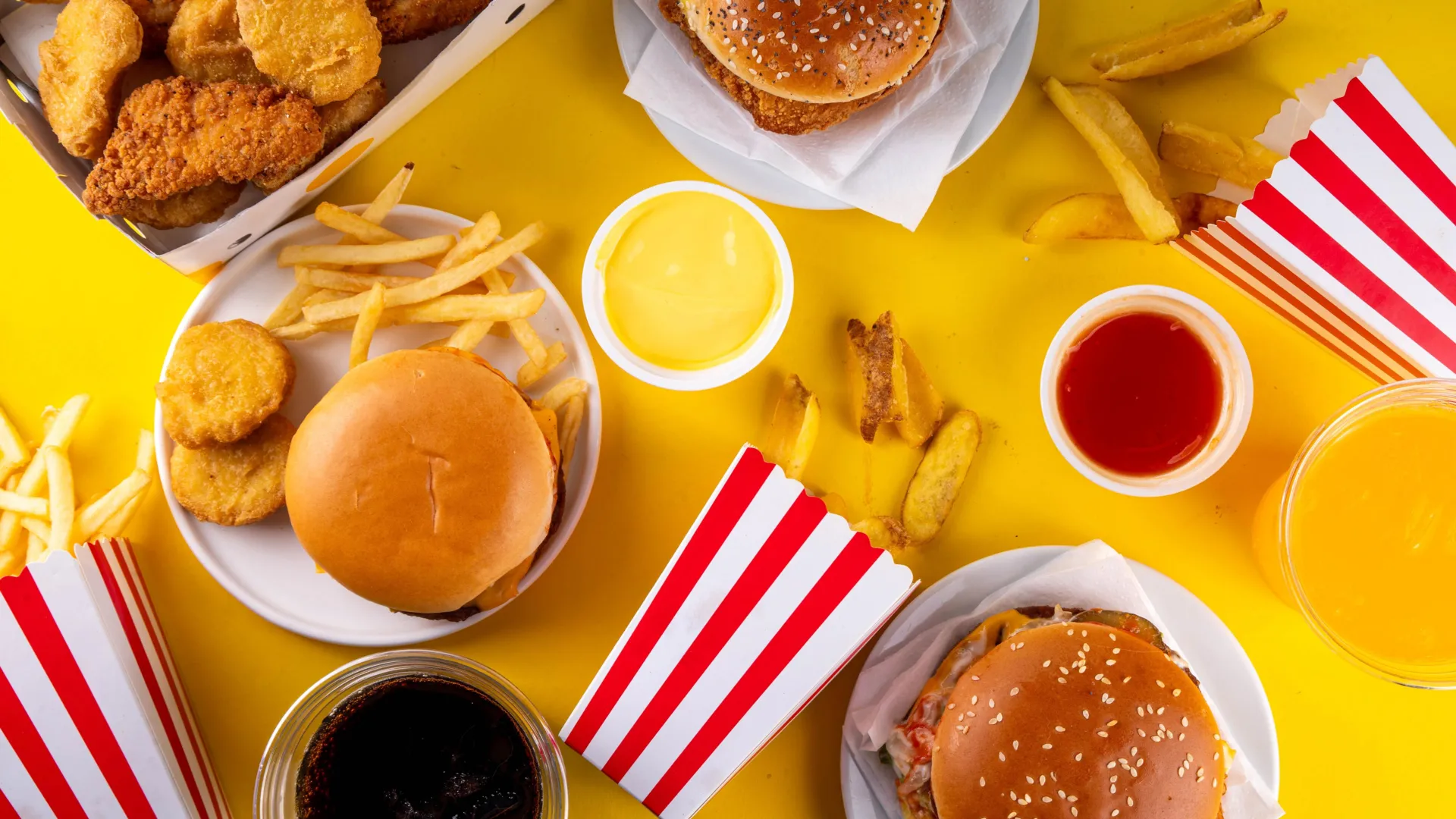
A massive study tracking more than 460,000 Americans has challenged a widely held nutritional assumption, finding that ultra-processed foods (UPFs) as a broad category are not associated with an increased risk of colorectal cancer overall.
The findings nuance the ongoing global conversation around processed foods. While health organizations have increasingly cautioned against UPFs due to potential links to chronic illnesses, the new evidence suggests that the physical structure and underlying nutrient profile of specific foods play a far more significant role in cancer risk than processing alone.
Breakdown by Category: Meat vs. Grains and Dairy
Rather than treating all factory-made or heavily packaged foods identically, the research highlighted stark differences across food subcategories:
- Processed Meats: Consistently linked to a higher incidence of colorectal cancer, reinforcing long-standing dietary recommendations to limit items such as hot dogs, sausages, and deli meats.
- Whole Grains & Dairy: Ultra-processed variants of whole grains (such as certain commercial high-fiber breads and cereals) and dairy products (such as fortified yogurts) were surprisingly associated with a lower incidence of colorectal cancer.
These findings indicate that protective dietary components—such as dietary fiber, calcium, and essential micronutrients—maintain their health benefits even when delivered through ultra-processed food formulations.
Wider Health Implications
Colorectal cancer remains one of the leading causes of cancer-related deaths worldwide. For years, broad public health warnings have advised consumers to avoid the entire Nova classification of ultra-processed foods.
However, researchers note that blanket warnings against all UPFs could inadvertently discourage the consumption of affordable, accessible, and nutrient-dense options like packaged whole-grain breads and yogurt. The study underscores the need for public health guidance to distinguish between harmful processed items and beneficial or neutral fortified foods.
What Happens Next
Nutrition scientists and epidemiologists are calling for further research to isolate specific ingredients, additives, and industrial processing techniques to understand precisely how individual food matrix structures influence long-term gut health.
As public health agencies review dietary guidelines, future recommendations are increasingly expected to focus on specific nutrient quality and individual food groups rather than issuing broad bans based strictly on processing levels.