In Brief
- High-resolution imaging revealed that statins directly bind to a specific muscle cell protein, forcing open a channel that regulates calcium flow.
- The unintended binding causes calcium to leak constantly into muscle tissue, triggering pain, weakness, and potential cell breakdown.
- Identifying this exact mechanism allows researchers to design next-generation statins or targeted therapies that preserve cholesterol-lowering benefits without causing muscle side effects.
A groundbreaking study using high-resolution imaging technology has revealed the precise mechanism behind one of medicine's most common pharmaceutical side effects: statin-induced muscle pain and weakness.
Statins are among the world's most widely prescribed medications, effectively lowering LDL cholesterol to prevent heart attacks and strokes. However, up to 10% of patients experience muscle-related side effects, ranging from mild soreness to severe, debilitating muscle damage—a major reason many discontinue their treatment.
How Statins Trigger Muscle Leaks
Using advanced structural biology techniques, researchers discovered an unintended interaction between statin molecules and muscle cell architecture:
- Protein Binding: Statins can attach directly to a crucial regulatory protein located inside muscle cells.
- Forced Open Channels: This binding forces open a specific ion channel responsible for managing the influx and outflux of calcium.
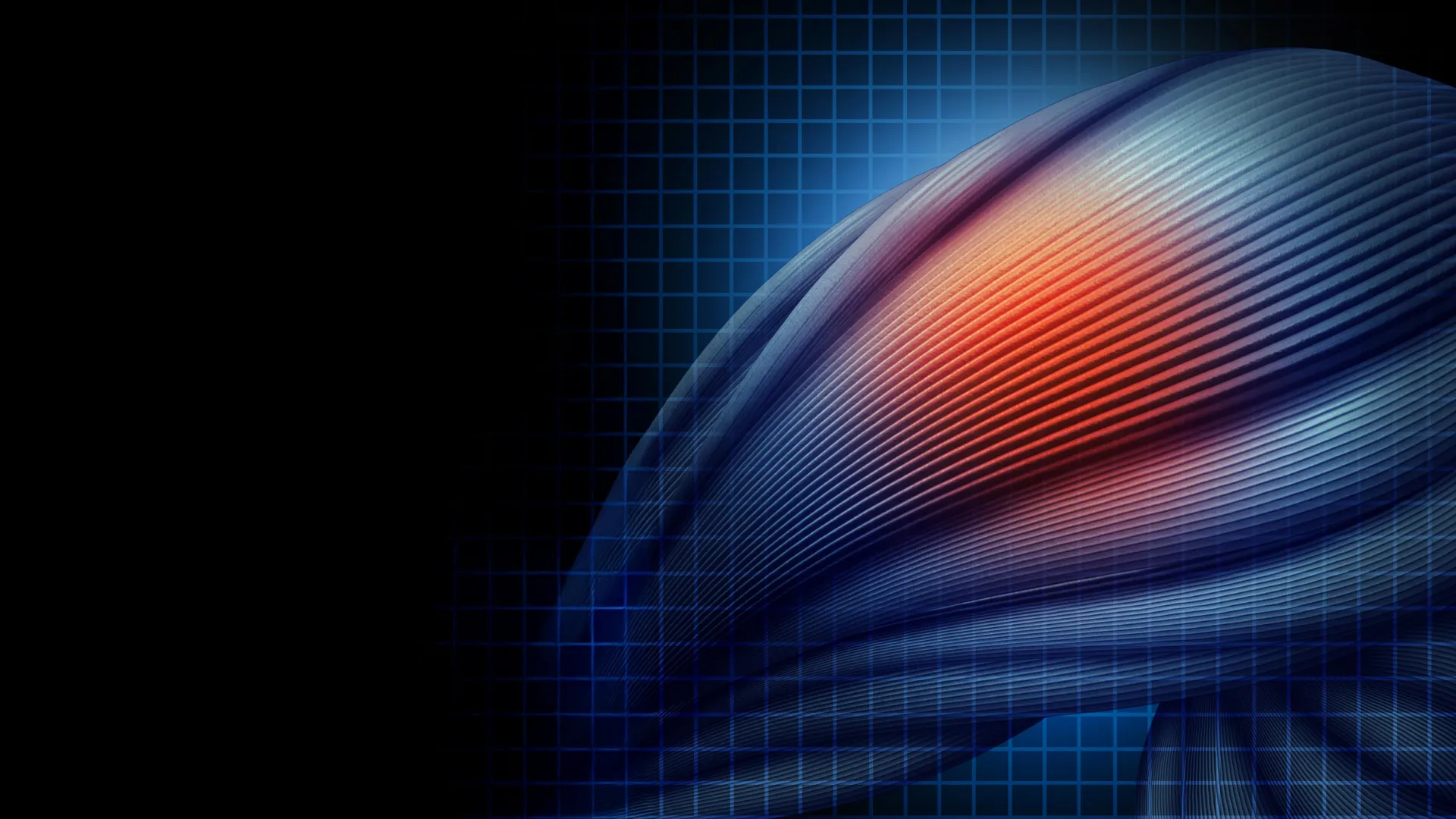
- Sustained Tissue Stress: Rather than opening briefly to allow normal muscle contractions, the channel remains locked open, allowing calcium to continuously leak into muscle tissue, which leads to inflammation, soreness, and cellular damage.
Clinical Implications
These findings provide long-awaited clarity for cardiologists and millions of patients who struggle with statin tolerance. Understanding that muscle toxicity stems from a specific structural interaction—rather than cholesterol lowering itself—opens the door to developing "muscle-sparing" statin variants or co-therapies that block the calcium leak without reducing cardiovascular protection.
What Happens Next
Pharmacologists are expected to utilize these structural models to screen and design novel statin compounds that maintain their target affinity in the liver while bypassing the muscle cell protein entirely.